
By Emmanuel Okine.
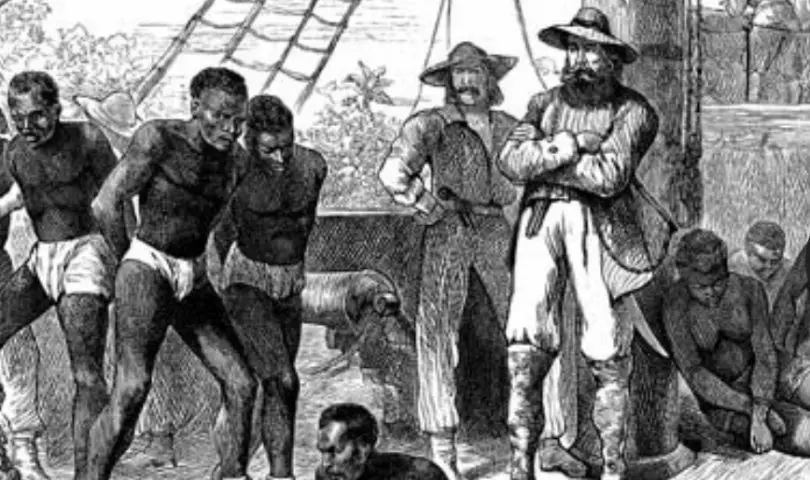
The transatlantic slave trade stands as one of humanity’s most inhumane actions against fellow humans. Beyond the trade in human lives, countless artifacts, minerals, and other resources were taken from African countries to Europe and elsewhere. Today, the legacy of this exploitation is seen in museums and private collections across Europe, filled with works of art and cultural artifacts stolen from Africa. Africans were used as human machines by colonizers to pillage the continent’s resources at will. Conservative estimates indicate that over ten trillion dollars, adjusted for inflation, were lost to the continent. Considering the combined impact of lost labor, stolen resources, and centuries of economic disruption, this estimate may actually be significantly lower than the true extent of the damage.
Despite this staggering loss, Africa and its descendants have yet to see significant reparations or the return of looted treasures. This raises a crucial question: Are African governments not presenting a compelling enough case for reparations and the return of stolen artifacts?
Historical Context:
The transatlantic slave trade, spanning from the 16th to the 19th century, forcibly transported millions of Africans to the Americas. These individuals were sold into slavery, subjected to brutal conditions, and stripped of their humanity. The trade generated immense wealth for European colonizers, built on the backs of African slaves. This wealth fueled the industrial revolution, propelling Europe into an era of unprecedented economic growth.
Simultaneously, European powers systematically exploited Africa’s natural resources. Colonizers plundered gold, diamonds, ivory, and other valuable commodities, leaving the continent impoverished. Artifacts and cultural treasures, symbols of Africa’s rich heritage, were taken and displayed in European museums, far from their rightful homes.
The Case for Reparations:
Reparations for slavery and colonial exploitation are not merely about financial compensation. They are about acknowledging the historical injustices committed against African people and their enduring legacy. Reparations are a means of addressing the profound socio-economic disparities that persist to this day.
African governments have made various attempts to seek reparations. However, these efforts have often been met with resistance from former colonial powers. Critics argue that the case for reparations has not been presented effectively or consistently. For reparations to become a reality, African nations must unite and present a cohesive, compelling argument.
A United Front:
African leaders must collaborate to establish a unified stance on reparations. This involves extensive research, documentation, and the creation of a comprehensive dossier detailing the historical and ongoing impacts of slavery and colonialism. By presenting a well-substantiated case, African governments can strengthen their position on the global stage.
Furthermore, African leaders must engage in diplomatic negotiations with former colonial powers. This requires leveraging international organizations, such as the United Nations, to advocate for reparations and the return of stolen artifacts. By building alliances with global partners and highlighting the moral imperative of reparations, African nations can amplify their voices.
The Return of Stolen Artifacts:
In recent years, there has been a growing movement to return African artifacts to their countries of origin. Several European museums have begun to repatriate stolen treasures, acknowledging the ethical obligation to rectify historical wrongs. However, the process remains slow and fragmented.
African governments must continue to push for the return of their cultural heritage. This involves legal action, diplomatic efforts, and public campaigns to raise awareness. By demanding the return of stolen artifacts, African nations can reclaim their history and cultural identity.
Conclusion:
The case for slavery reparations and the return of stolen artifacts is not only about seeking justice for past atrocities. It is about addressing the ongoing legacy of exploitation and inequality. African governments must present a united, compelling case to the international community, emphasizing the moral and historical imperative of reparations.
By standing together and advocating for what is rightfully theirs, African nations can honor the memory of their ancestors, reclaim their stolen heritage, and pave the way for a more just and equitable future.
Source: Emmanuel Okine