


The world is grappling with an unprecedented food crisis, exacerbated by conflicts, climate change, and economic stagnation. The World Bank Group is at the forefront of addressing this crisis, with a multifaceted approach that spans emergency response, resilience building, and sustainable agriculture practices.
According to the latest food security data, an estimated 61.6 million people in East Africa and 50 million in Western and Central Africa are facing food insecurity. The World Bank’s response is guided by a commitment to support vulnerable populations, promote sustainable agriculture, and enhance food systems resilience.
In East and Southern Africa, the World Bank has launched a $2.75 billion Food Systems Resilience Program to increase the resilience of food systems and tackle growing food insecurity. Similar initiatives are underway in West Africa, where a $766 million program aims to enhance preparedness against food insecurity and improve the resilience of food systems.
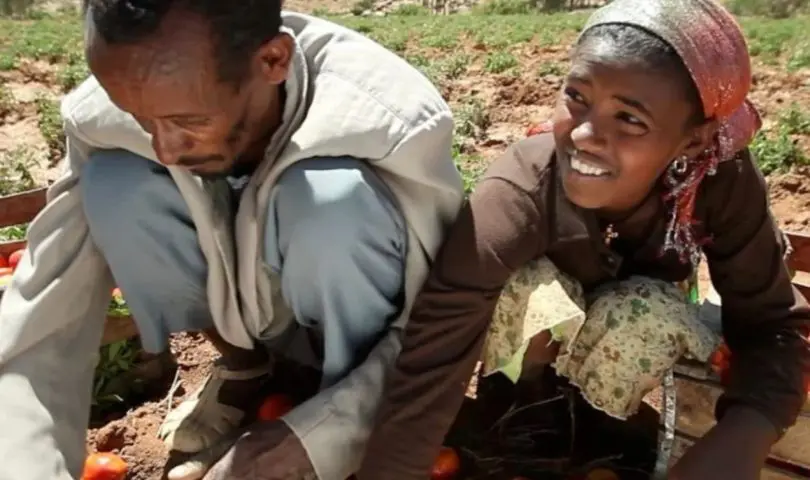
The World Bank is also working closely with countries to support smallholder farmers, boost agricultural productivity, and promote climate-smart agriculture practices. For instance, in Honduras, the Rural Competitiveness Project has benefited over 6,000 rural small-scale producers, generating entrepreneurship and employment opportunities.
Furthermore, the World Bank has established the Global Alliance for Food Security, co-convened with the G7 Presidency, to catalyze an immediate and concerted response to the global hunger crisis. The Alliance has developed a publicly accessible Global Food and Nutrition Security Dashboard, providing timely information for global and local decision-makers.
In collaboration with international partners, including the FAO, IMF, WFP, and WTO, the World Bank is advocating for urgent actions to address the food crisis. These include rescuing hunger hotspots, facilitating trade, and reforming harmful subsidies.
As the world navigates this complex and interconnected crisis, the World Bank’s comprehensive response offers a beacon of hope. By supporting vulnerable populations, promoting sustainable agriculture, and enhancing food systems resilience, we can work towards a more food-secure future for all.
Ruth Abla ADJORLOLO
