

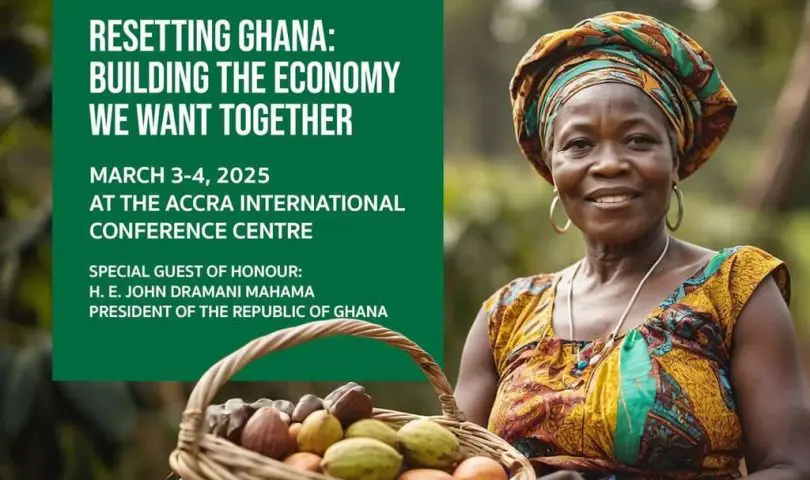

Ghana is at a crossroads, facing an economic crisis that demands urgent attention. The presidency has sounded the alarm, emphasizing the need for collective action to reset the economy, foster growth, and build a resilient future.
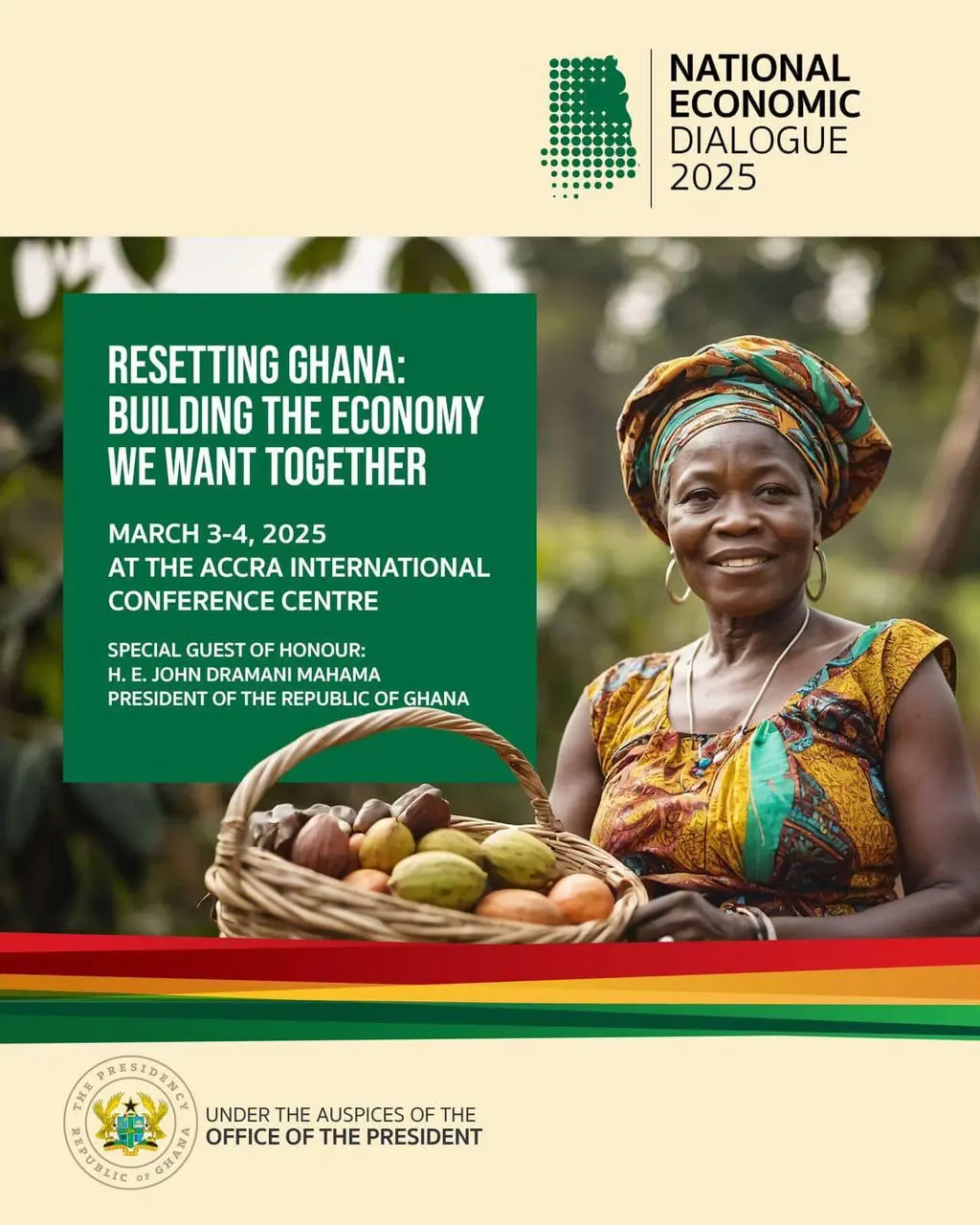
The country’s economic woes are well-documented. A debilitating debt burden, currency depreciation, and soaring inflation have taken a toll on the economy. However, the presidency remains optimistic, stressing that bold reforms, innovation, and collaboration can help Ghana overcome its challenges.
To achieve this vision, the government is committed to implementing bold reforms. These reforms will focus on strengthening domestic revenue mobilization, improving public financial management, and enhancing the business environment to foster private sector growth.
Innovation will also play a crucial role in Ghana’s economic transformation. The government is exploring new ways to leverage technology to drive growth, improve service delivery, and enhance transparency and accountability.
Collaboration is key to Ghana’s economic success. The government is calling on all stakeholders, including citizens, businesses, and civil society organizations, to join forces and brainstorm solutions to the country’s economic challenges.
The World Bank and the International Monetary Fund (IMF) have also thrown their weight behind Ghana’s economic recovery efforts. The IMF has praised Ghana’s progress under its economic program, noting that the country has made significant strides in restoring macroeconomic stability.
As Ghana embarks on this journey, there is a sense of optimism and hope. With collective action, bold reforms, innovation, and collaboration, the country can overcome its economic challenges and build a brighter future for all its citizens.
Ruth Abla ADJORLOLO
