



Ghana has taken a significant step towards enhancing its preparedness for public health emergencies, thanks to the Joint External Evaluation (JEE) process. The JEE, conducted every five years, assesses a country’s health security capacities and identifies areas for improvement ¹.
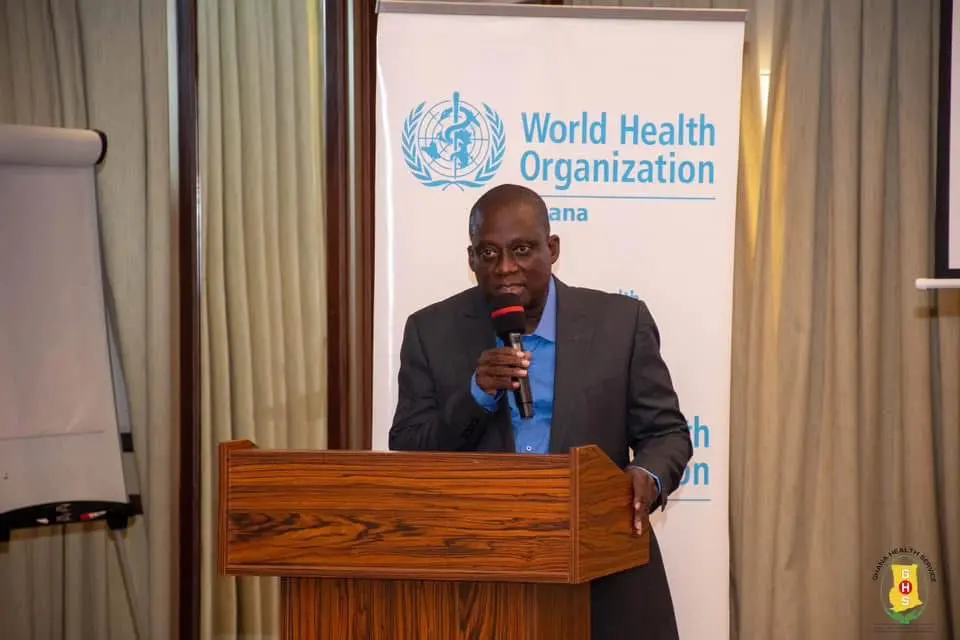
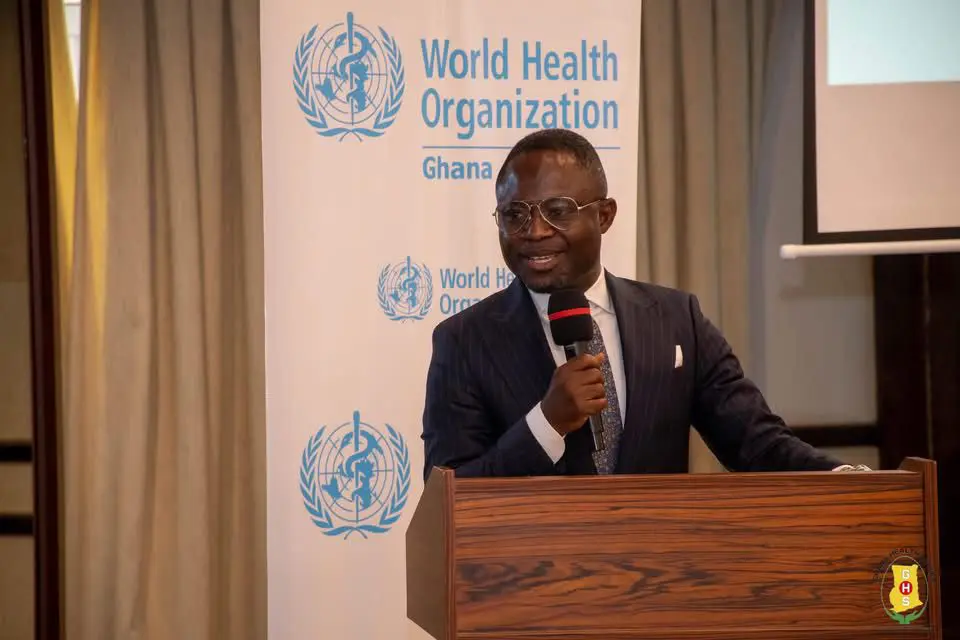
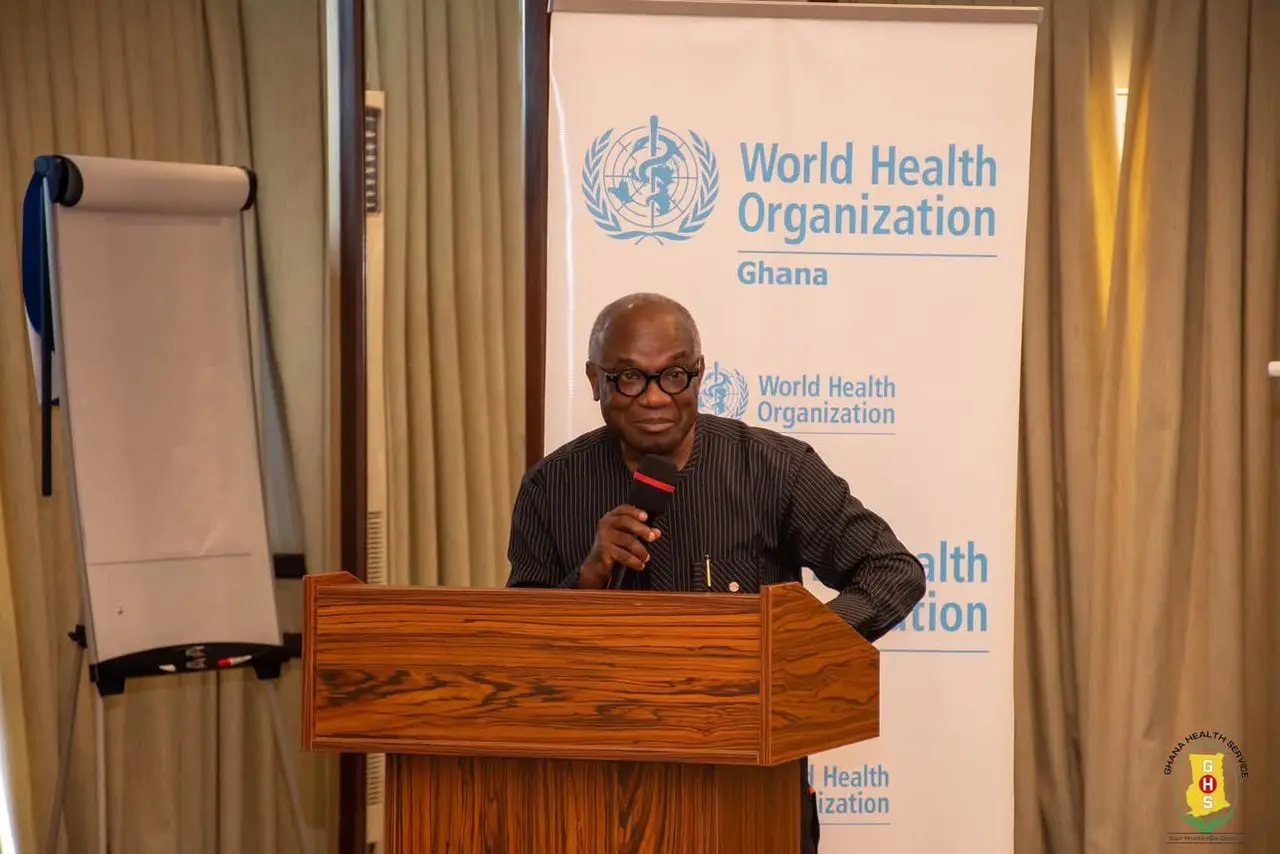
According to Prof. Samuel Kaba Akoriyea, Acting Director-General of the Ghana Health Service, the JEE plays a crucial role in strengthening Ghana’s ability to prevent, detect, and respond to public health emergencies. Ghana has made notable progress in surveillance, risk communication, and laboratory capacity, with its SPAR score increasing from 47% in 2018 to 56% in 2023, surpassing the African regional average.
Despite these gains, Prof. Akoriyea acknowledged the need for stronger collaboration among stakeholders to address persistent challenges in financing, human resources, and emergency response to chemical and radiation events.
Kwabena Mintah Akandoh, Minister for Health, reaffirmed Ghana’s commitment to strengthening health security. He emphasized the importance of continuous improvements in disease surveillance, laboratory capacity, and emergency response, as well as multi-sectoral collaboration.
The JEE process has brought together representatives from key sectors, including the Food and Drugs Authority, Veterinary Services Department, and Environmental Protection Agency, with support from development partners like the World Health Organization (WHO).
Ghana’s efforts to strengthen its public health emergency preparedness are crucial, given the country’s experience with outbreaks like COVID-19, Lassa Fever, and Marburg virus. By addressing gaps and improving its health security capacities, Ghana can better protect its citizens and contribute to global health security.





Ruth Abla ADJORLOLO
