


In a move that has sparked controversy , Dr. Dominic Akuritinga Ayine, Ghana’s Attorney-General, entered a nolle prosequi, discontinuing a high-profile case that had been widely criticized as a politically motivated prosecution. While some argue that the Attorney-General is not legally required to provide reasons for this decision, others insist that transparency and accountability demand a clear explanation.
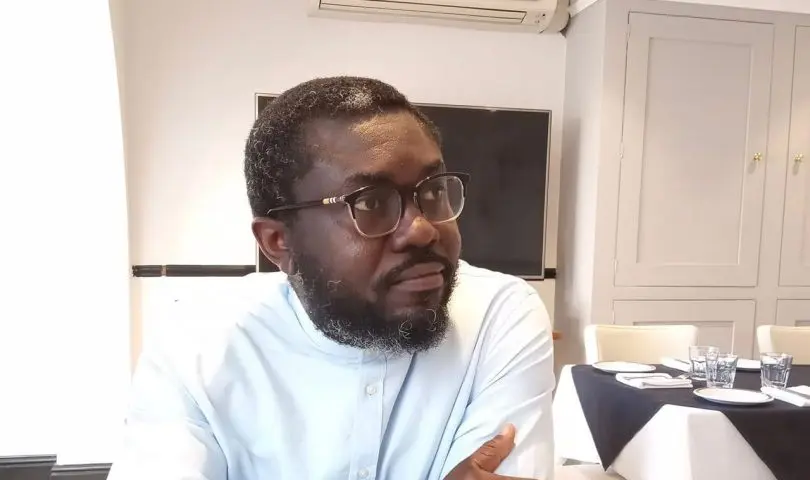
Oliver Baker Vormawor, a beneficiary of the nolle prosequi, strongly advocates for Dr. Ayine to assign reasons for the decision. Vormawor argues that the previous government’s abuse of prosecutions as a tool of suppression has eroded public trust in the impartiality of the justice system. By providing clear reasons for the nolle prosequi, Dr. Ayine can help restore public confidence, expose the extent of past prosecutorial abuse, and demonstrate a commitment to breaking the cycle of politically motivated prosecutions.
Baker Vormawor’s own experience has taught him that malicious prosecutions can have devastating consequences, even when no conviction is secured. He emphasizes that transparency and accountability are essential in ensuring that prosecutorial decisions are fair, just, and not driven by political considerations.
As Ghana navigates the complexities of justice and accountability, Dr. Ayine’s decision has become a critical test case. Will he provide the transparency and accountability that Vormawor and many others are demanding, or will the reasons behind the nolle prosequi remain shrouded in mystery? The outcome will have far-reaching implications for the rule of law, justice, and accountability in Ghana.
Ruth Abla ADJORLOLO
