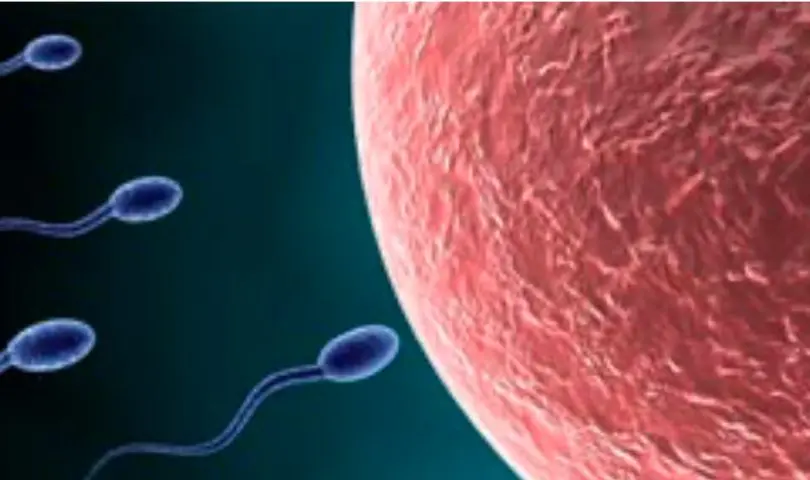

Fertility is a fascinating topic that reveals the intricate processes governing human reproduction. Let’s delve into the differences and similarities between male and female fertility, shedding light on this remarkable aspect of biology.
Men’s Fertility: A Lifetime of Production
Men maintain fertility from puberty until the end of their lives, producing millions of sperm every day. Incredibly, an estimated 1,500 sperm are created every second, culminating in up to 8 billion sperm by the end of a complete production cycle. Male fertility is continuous and relentless, ensuring a steady supply of reproductive cells throughout their lifetime.
Women’s Fertility: A Finite Window
In contrast, women experience a finite fertility window, which starts at puberty and ends with menopause. At birth, women have approximately 1 million eggs in the form of ovarian follicles. Unlike men, women cannot produce more eggs during their lifetime. Each month, ovulation releases a single egg, viable for only 12 to 24 hours. Meanwhile, sperm can survive in the female reproductive tract for 2 to 3 days, awaiting fertilization.
The Decline of Fertility with Age
Both men and women experience a decline in fertility with age, though the timeline differs. For women, fertility begins to wane after the age of 30. The likelihood of conceiving naturally stands at 25% for those under 30, decreases to 20% after 30, and plummets to just 5% by age 40. Male fertility also diminishes, typically starting around 40 to 45 years, due to reduced testosterone levels and a decrease in sperm quantity and quality.
Factors Influencing Fertility
Infertility affects both genders, with female-related issues accounting for 40% of cases, male factors for 30%, and both partners involved in 20% of instances. Various factors play a significant role in fertility, including weight and smoking. For women, 12% of infertility cases are linked to being overweight or underweight, while smoking contributes to 13% of female infertility. Genetic factors also influence fertility, affecting egg supply in women and sperm production in men.
Conclusion
Understanding the science of fertility in men and women underscores the complexity and beauty of human reproduction. It highlights the importance of maintaining a healthy lifestyle and recognizing the factors that can impact fertility. As we continue to explore and comprehend these biological processes, we can better appreciate the marvels of life and the intricate balance that sustains it.
Source : Grace Setordzi