

By: Amivi Tukpe,Accra.
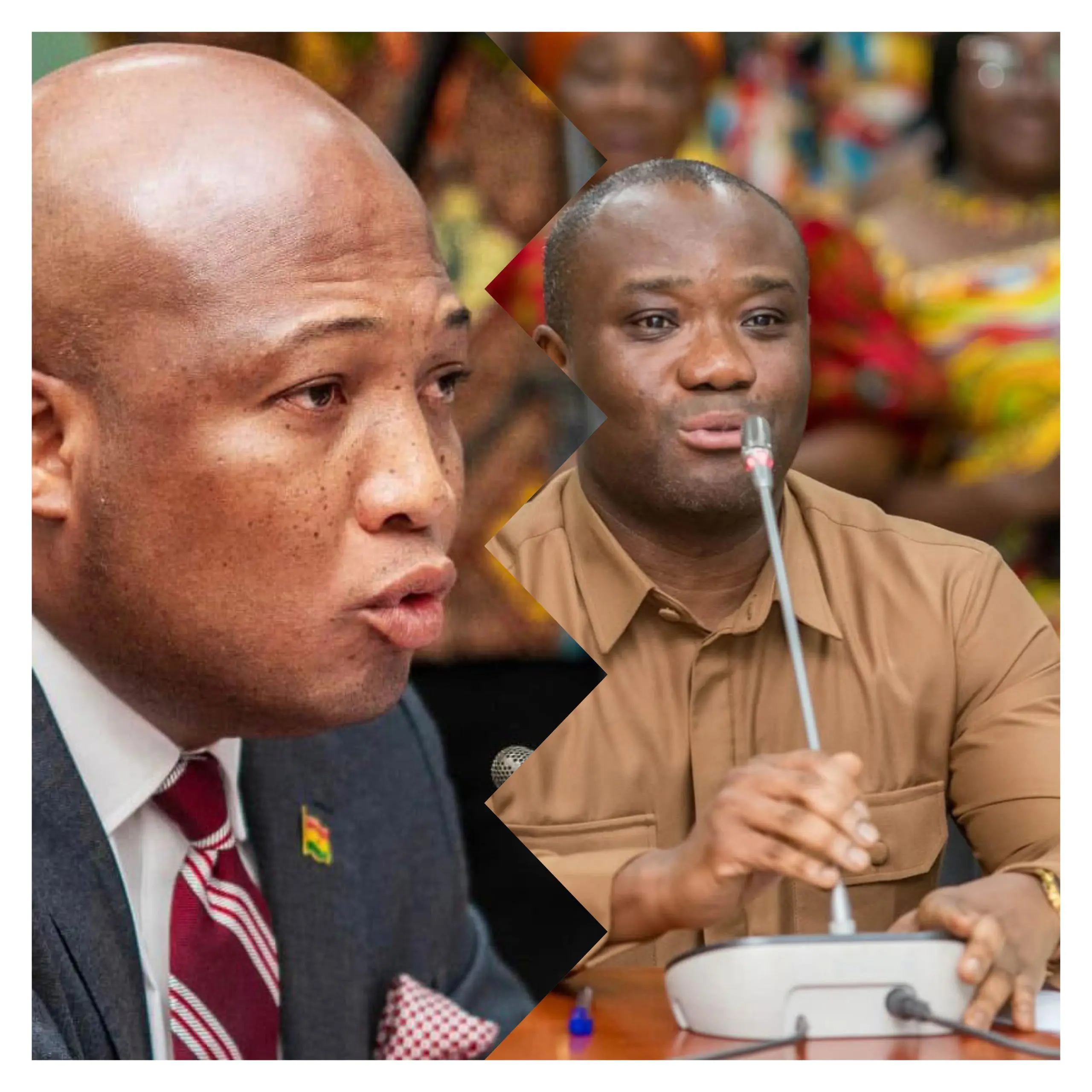
During the recent vetting of Honorables Sam George and Okudzeto Ablakwa, an intriguing turn of events unfolded. The minority leader, Honorable Afenyo Markin, made a broad request for information from both candidates. However, when Hon. Sam George sought specifics from Afenyo Markin concerning issues related to the judges, Markin failed to provide any concrete details. This situation has left many wondering: is Afenyo Markin fishing for information, or is he merely wasting everyone’s time?
The Importance of Specificity
In any vetting process, clarity and precision are paramount. Parliamentary vettings, particularly for prominent figures, are expected to be transparent and focused. The lack of specificity in Afenyo Markin’s inquiries raises concerns about the efficacy and intentions behind the questions. General inquiries without clear objectives can lead to unnecessary delays and confusion, detracting from the primary purpose of the vetting process.
Leveraging Available Information
Hon. Sam George rightly pointed out that Afenyo Markin could easily refer to his Facebook wall for specific posts related to the issues at hand. Given the vast amount of information Sam George has shared on social media, it is only logical for Afenyo Markin to identify and specify the posts he is concerned about. This approach would streamline the vetting process, ensuring that discussions remain relevant and productive.
Citing Background Rules
According to Ghana’s parliamentary procedures, vetting committees are expected to adhere to guidelines that promote fairness, transparency, and efficiency. Rule 51 of the Parliamentary Standing Orders states that “a committee of inquiry shall have the powers, rights, and privileges of the High Court or a Justice of the High Court at a trial concerning… the compelling of the production of documents.” This rule underscores the need for vetting inquiries to be well-defined and backed by substantial evidence or references.
Avoiding Unnecessary Delays
Vetting is not just a formality; it is a critical process that ensures candidates are adequately scrutinized before taking on significant roles. Unfocused or vague questioning can lead to unnecessary delays, wasting valuable time and resources. It is essential for members of the vetting committee to come prepared with specific, well-researched questions to maintain the integrity and efficiency of the process.
Final Thoughts
In conclusion, the recent vetting process highlights the need for specificity and clarity in parliamentary inquiries. Honorable Afenyo Markin’s broad requests without clear targets do little to enhance the vetting process and may inadvertently lead to confusion and delays. It is crucial for all parties involved to approach the vetting with a clear understanding of the issues and the necessary information, thereby upholding the principles of transparency and accountability.
By leveraging existing information and adhering to parliamentary guidelines, the vetting process can be conducted more efficiently, ensuring that all relevant issues are adequately addressed without wasting time. Let us strive for a vetting process that reflects the seriousness and professionalism expected of our legislative bodies.
Source : Amivi Tukpe, Accra.