

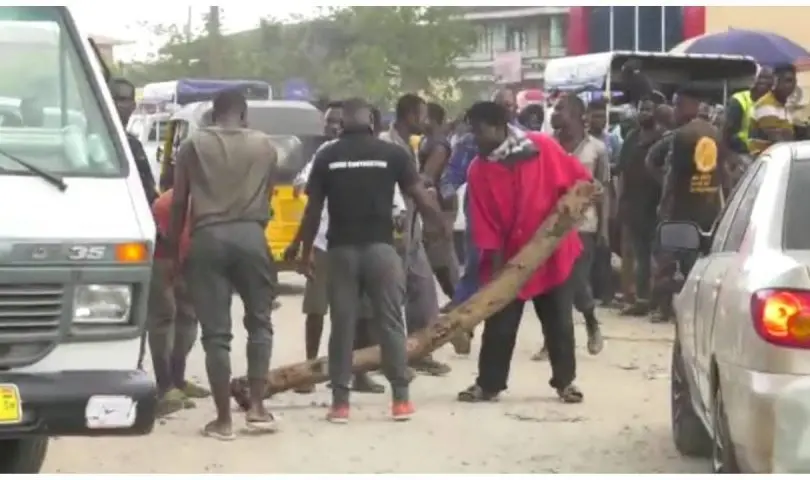

Elections are a pivotal moment in any democracy, providing citizens with the power to shape their nation’s future. However, in Ghana, the aftermath of elections can sometimes spiral into chaos, marked by looting and vandalizing property. Understanding the causes of this unrest and identifying preventive measures are essential for fostering a peaceful and stable society.
Causes of Post-Election Unrest
- Political Polarization: Deep-rooted political divisions can lead to heightened tensions and conflicts after elections. Supporters of rival parties may clash, resulting in violent confrontations and property damage.
- Perceived Injustice: When citizens feel that the electoral process has been unfair or rigged, frustration and anger can boil over into protests and riots. This sense of injustice can drive people to take drastic actions, including looting and vandalism.
- Economic Hardships: High levels of unemployment and poverty can exacerbate post-election tensions. For many, looting may seem like an opportunity to acquire goods they cannot afford, while vandalism can be an expression of pent-up anger and frustration.
- Lack of Law Enforcement: Inadequate policing and a lack of effective law enforcement can embolden individuals to engage in criminal activities without fear of repercussions. This can lead to widespread looting and property destruction.
- Misinformation and Rumors: The spread of misinformation and rumors can incite fear and panic among the populace. False reports of electoral fraud or violent clashes can spark unrest and lead to destructive behavior.
Preventive Measures
- Promoting Political Dialogue: Encouraging open and constructive political dialogue can help bridge the gap between opposing factions. Creating platforms for peaceful discussions can reduce polarization and foster mutual understanding.
- Ensuring Transparent Elections: Strengthening the integrity of the electoral process is crucial. Implementing measures such as transparent vote counting, independent oversight, and robust verification processes can help build public trust in the outcomes.
- Economic Empowerment: Addressing economic disparities and providing opportunities for employment can reduce the appeal of looting. Economic empowerment programs and social safety nets can alleviate poverty and improve living standards.
- Strengthening Law Enforcement: Enhancing the capabilities of law enforcement agencies to respond to unrest promptly and effectively can deter criminal activities. Adequate training, resources, and community policing initiatives can help maintain order.
- Combating Misinformation: Implementing strategies to counter misinformation and promote accurate information is vital. Public awareness campaigns, fact-checking services, and media literacy programs can help dispel rumors and prevent panic.
- Community Engagement: Involving community leaders and local organizations in efforts to maintain peace can be highly effective. Community-based initiatives that promote non-violence and conflict resolution can help prevent unrest.
Conclusion
Post-election unrest in Ghana poses significant challenges, but with proactive measures, it is possible to mitigate the risk of looting and vandalism. By addressing the root causes and fostering a culture of peace and dialogue, Ghana can ensure that its democratic processes lead to progress and stability rather than conflict and chaos.
Together, we can build a future where elections are celebrated as a triumph of democracy, and the aftermath is marked by unity and peace.
Source :Fuvi Kloku
