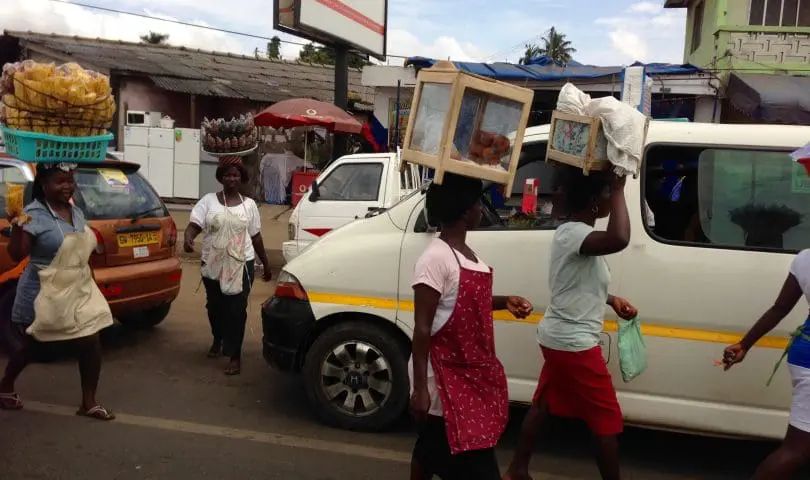

By Fuvi Kloku
Street hawking and the presence of street urchins, often seen in many parts of Africa and poorer countries, stem from a complex web of socio-economic factors. Here are some key causes behind these challenges:
Pervasive Poverty
Poverty remains the leading cause, forcing many families to send their children to the streets to help make ends meet. This desperation often leads to a cycle of poverty, where children miss out on education and future opportunities.
Educational Barriers
Access to quality education is a significant barrier. Without proper schooling, children lack the skills and knowledge needed for better job opportunities, pushing them into street vending as a means of survival.
Rural-Urban Migration
Urban areas attract many families from rural regions seeking better lives. However, the lack of adequate infrastructure and social services in cities leads to increased street hawking and child labor as families struggle to adapt.
Family Instability
Broken homes, through divorce or the death of a parent, often leave children without proper support systems. Many turn to the streets to fend for themselves in the absence of a stable family environment.
Cultural Norms
In some cultures, children contributing to the family’s income is a norm, which perpetuates the acceptance of child labor and street hawking, further entrenching poverty.
Weak Social Protections
Insufficient social protection systems and poor enforcement of child labor laws allow street hawking to persist. Without proper interventions, these children remain vulnerable to exploitation.
Exposure to Crime and Substance Abuse
Street children are often exposed to criminal activities and substance abuse, further entrapping them in a life of instability. The absence of rehabilitation programs exacerbates the problem.
Preventive Strategies
Addressing these issues requires comprehensive social protection programs, strict enforcement of child labor laws, and improved access to education and vocational training. Community-based interventions can help break the cycle of poverty and street hawking.
By focusing on these root causes, we can work towards a future where children are safe, educated, and have the opportunity to thrive. Let’s strive to never reach the levels of neglect and exploitation seen in other parts of the world.
source: Fuvi Kloku