

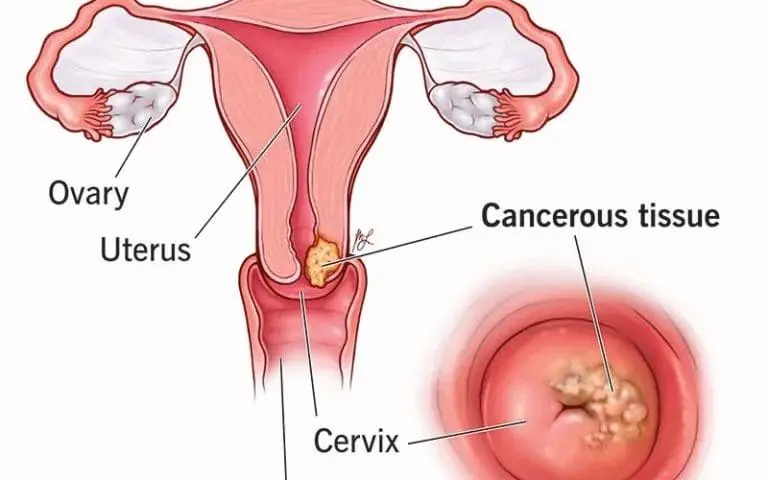

Governments, donors, and partners have just announced a groundbreaking commitment of nearly $600 million to eliminate cervical cancer. This significant investment aims to expand vaccine coverage, enhance screening, and strengthen treatment programs, bringing us closer to making cervical cancer history.
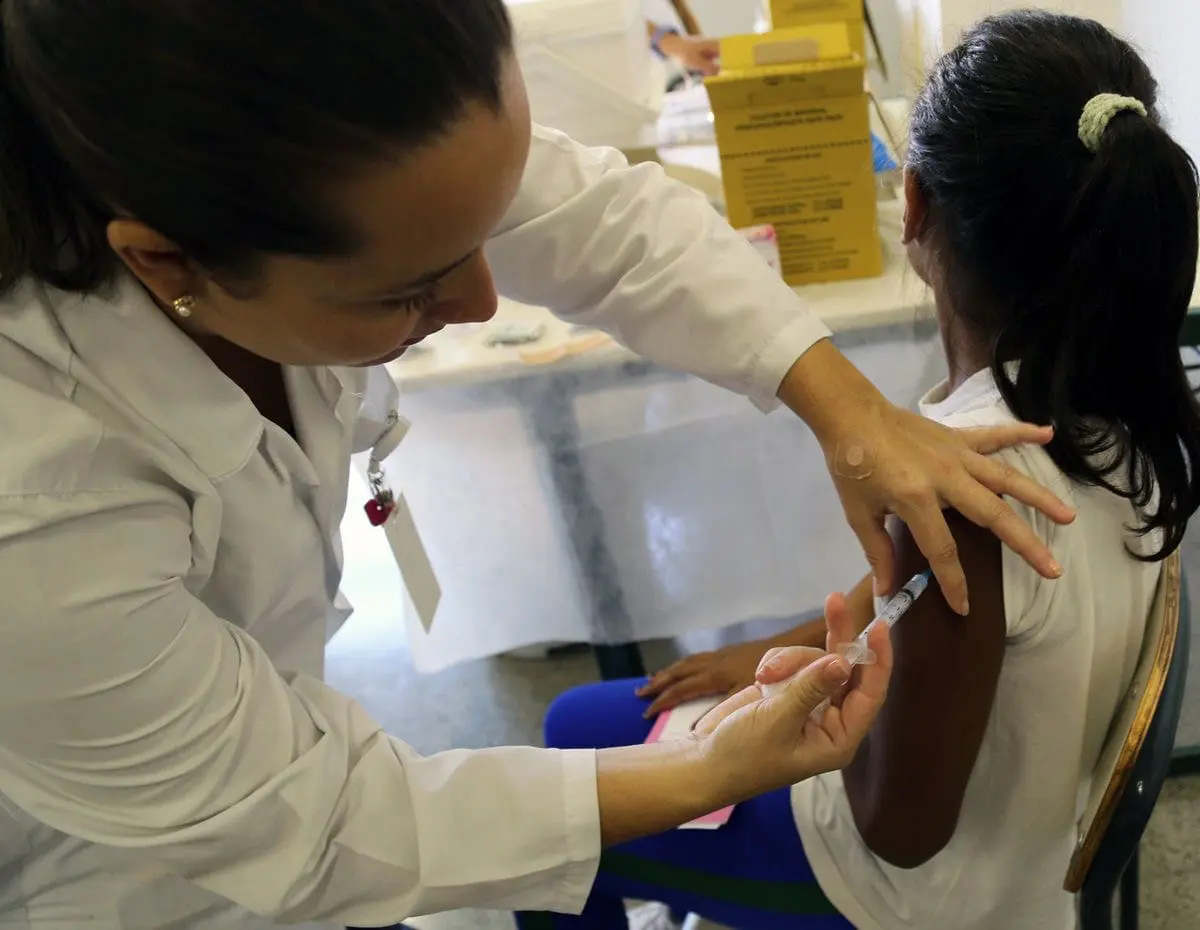
Every two minutes, a woman dies from cervical cancer, despite the fact that we already have the knowledge and tools to prevent and eliminate this disease. The human papillomavirus (HPV) vaccine is instrumental in preventing most cases, and when combined with screening and treatment, provides a clear path to elimination.
Cervical cancer disproportionately affects women and families in low- and middle-income countries, accounting for 94% of deaths in 2022. To tackle this, the World Health Organization (WHO) has set ambitious targets: 90% of girls fully vaccinated with the HPV vaccine by age 15, 70% of women screened by age 35 and 45, and 90% of women with pre-cancer or invasive cancer treated.
The WHO’s recommendation of a one-dose HPV vaccine schedule has reduced barriers to vaccination programs, with 37 countries adopting or planning to adopt this regimen. This shift is crucial in reaching the goal of eliminating cervical cancer as a public health problem.
To eliminate cervical cancer, all countries must reach and maintain an incidence rate of below 4 per 100,000 women. Each country should meet the 90–70–90 targets by 2030 to get on the path to eliminate cervical cancer within the next century.
With these commitments and the continued efforts of governments, donors, and partners, we can create a future where cervical cancer is a thing of the past.
WHO/Ruth Abla ADJORLOLO
