
The world is facing a staggering reality: over 800 million adults are now living with diabetes, a number that has quadrupled since 1990. This alarming rise is primarily driven by increasing obesity, unhealthy food marketing, lack of physical activity, and economic hardship, according to WHO Director-General Dr. Tedros Adhanom Ghebreyesus.
Low- and middle-income countries (LMICs) are bearing the brunt of this epidemic, with diabetes rates soaring and treatment access remaining persistently low. A staggering 59% of adults with diabetes, approximately 450 million people, remain untreated, with 90% of them living in LMICs.
The WHO South-East Asia and Eastern Mediterranean Regions have the highest diabetes prevalence, with around 20% of adults affected. Unfortunately, these regions, along with Africa, have the lowest rates of diabetes treatment coverage, with fewer than 4 in 10 adults receiving glucose-lowering medication.
To combat this growing crisis, the World Health Organization (WHO) is launching a new global monitoring framework on diabetes. This initiative provides comprehensive guidance to countries, enabling them to track key indicators, improve targeted interventions, and prioritize resources effectively.
The WHO’s Global Diabetes Compact aims to reduce the risk of diabetes, ensure equitable access to quality treatment and care, and prevent type 2 diabetes through healthier lifestyles. With the upcoming Fourth High-level Meeting of the United Nations General Assembly in 2025, the global community has a pivotal opportunity to strengthen health systems, address root causes, and halt the rise of this epidemic.
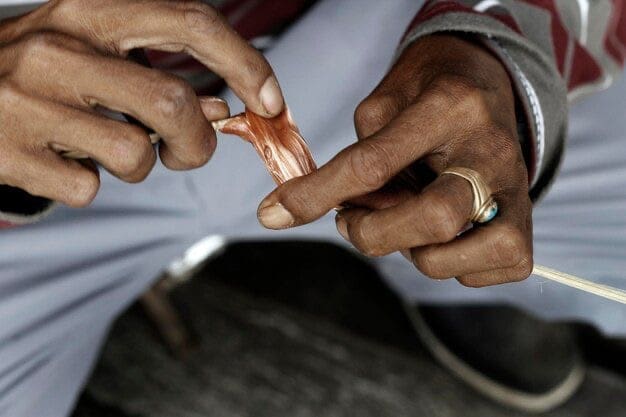
WHO/Ruth Abla ADJORLOLO