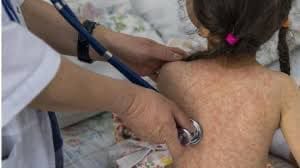

The world is facing a disturbing trend in measles cases, with a 20% increase in 2023, totaling 10.3 million cases, according to the World Health Organization (WHO) and the U.S. Centers for Disease Control and Prevention (CDC). This surge is primarily driven by inadequate immunization coverage globally. Despite the availability of a lifesaving vaccine, over 22 million children missed their first dose of measles vaccine in 2023.
Measles is a highly contagious virus that can be prevented with two doses of vaccine. However, global coverage remains insufficient, with only 83% of children receiving their first dose and 74% receiving the recommended second dose. The WHO Director-General, Dr. Tedros Adhanom Ghebreyesus, emphasized that “measles vaccine has saved more lives than any other vaccine in the past 50 years.” To protect vulnerable populations, investing in immunization for every person, regardless of location, is crucial.
The consequences of rising measles cases are devastating. In 2023, an estimated 107,500 people, mostly children under five, died from measles. Although this represents an 8% decrease from the previous year, it’s still an unacceptable toll. Measles survivors, especially infants and young children, risk serious lifelong health effects, including blindness, pneumonia, and brain damage.
To combat this trend, the WHO urges countries to achieve and maintain high-performing immunization programs, strengthen disease surveillance, and deliver high-quality campaigns With 82 countries having achieved measles elimination, the global goal remains within reach. However, targeted efforts are needed, particularly in the African and Eastern Mediterranean regions.
As CDC Director Mandy Cohen stressed, “The measles vaccine is our best protection against the virus, and we must continue to invest in efforts to increase access.” By prioritizing immunization and disease surveillance, we can prevent outbreaks and protect populations from this contagious virus.
WHO/Ruth Abla ADJORLOLO