

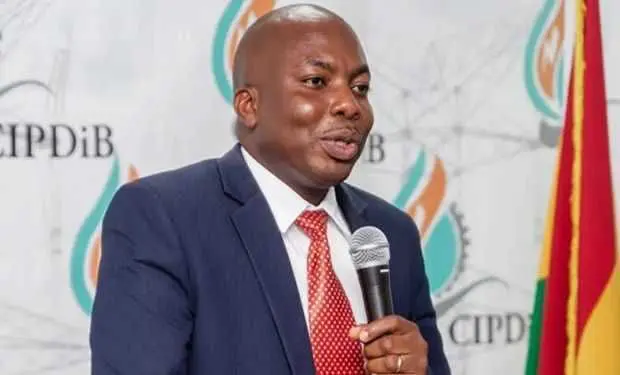

Ghana is poised to become a major player in the West African electricity market, thanks to a proposed licensing of Independent Power Generators (IPGs) under the Ghana Free Zones Act. This strategic move, championed by energy experts like Power System Economist Dr. Elikplim Kwabla Apetorgbor, aims to capitalize on Ghana’s underutilized energy capacity.
With an installed capacity of 5,300 MW, surpassing peak domestic demand of 3,600 MW, Ghana has a significant surplus of electricity. However, costly “take-or-pay” agreements have burdened the Electricity Company of Ghana (ECG) with approximately $2 billion in financial strains.
Licensing IPGs under the Free Zones Act would enable power producers to prioritize exports, turning excess capacity into a valuable resource for neighboring countries with high electricity demand, such as Burkina Faso, Niger, and Mali.
The Free Zones Act offers attractive incentives, including a ten-year corporate tax holiday, exemptions on import duties, and other benefits that could allow IPGs to offer competitive pricing in the regional market.
Dr. Apetorgbor notes that positioning IPGs as export-oriented entities would enhance Ghana’s integration into the West African Power Pool (WAPP) and drive economic growth through increased foreign direct investment and infrastructure development.
To operationalize this strategy, Dr. Apetorgbor emphasizes the need for a tailored capacity market framework, establishing competitive pricing and expanding transmission infrastructure. The Ministry of Energy is also urged to formalize bilateral agreements with neighboring countries to secure demand for Ghanaian electricity.
This bold approach is expected to attract investment, enhance efficiency, and establish Ghana as a key player in the regional electricity market, aligning with the country’s vision of becoming a major electricity exporter under the WAPP project.
Ruth Abla ADJORLOLO
