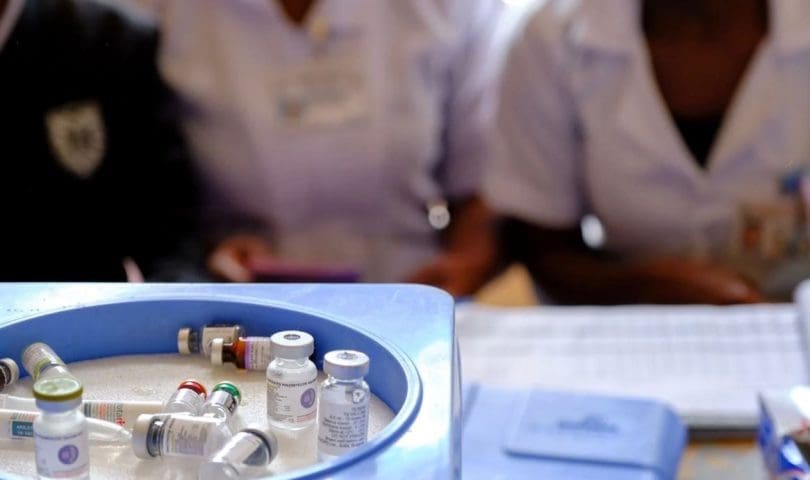

In a groundbreaking report, the World Health Organization (WHO) reveals that vaccines targeting 24 pathogens could reduce the global need for antibiotics by 22% or 2.5 billion doses annually. This breakthrough finding underscores the critical role vaccines play in addressing antimicrobial resistance (AMR), a growing threat that claims nearly 5 million lives worldwide each year.
“Addressing antimicrobial resistance starts with preventing infections, and vaccines are among the most powerful tools for doing that,” emphasizes Dr. Tedros Adhanom Ghebreyesus, WHO Director-General. By preventing infections, vaccines reduce the need for antimicrobials, slowing the emergence and spread of drug-resistant pathogens.
Existing vaccines against pneumococcus pneumonia, Haemophilus influenzae type B (Hib), and typhoid could avert up to 106,000 AMR-related deaths annually. New vaccines for tuberculosis (TB) and Klebsiella pneumoniae, currently in development, could save an additional 543,000 lives.
The report highlights the potential savings of vaccines already in use. For instance, vaccines against Streptococcus pneumoniae could save 33 million antibiotic doses annually, while typhoid vaccines could save 45 million doses. Malaria vaccines could also save up to 25 million antibiotic doses annually, and new TB vaccines could save between 1.2 and 1.9 billion doses.
Vaccines could also reduce the substantial economic costs of AMR, estimated at $730 billion annually. By rolling out vaccines against all evaluated pathogens, hospital costs associated with AMR could be cut by a third.
The WHO report urges governments, the private sector, and investors to prioritize vaccine development and access. With a comprehensive, people-centered approach, we can prevent, diagnose, and treat infections, ultimately turning the tide on AMR. At the recent 79th United Nations General Assembly High-Level Meeting on AMR, world leaders approved a political declaration committing to reduce AMR-related deaths by 10% by 2030.
This commitment emphasizes key aspects, including the importance of access to vaccines, medicines, treatments, and diagnostics, while calling for incentives and financing mechanisms to drive multisectoral health research, innovation, and development in addressing AMR.
WHO/ Ruth Abla ADJORLOLO