



The Bank of Ghana has emphasized the critical role media reportage plays in shaping the national economy, particularly in influencing exchange rates. At a capacity-building session for journalists in Kumasi, the Bank’s Director of Communications, Bernard Otabil, stressed the need for utmost professionalism and accuracy in economic reporting.
“Media reportage on the national economy directly influences various players to quickly react positively or negatively to economic indicators,” Otabil cautioned. He noted that the speed of information dissemination must not compromise journalistic standards.
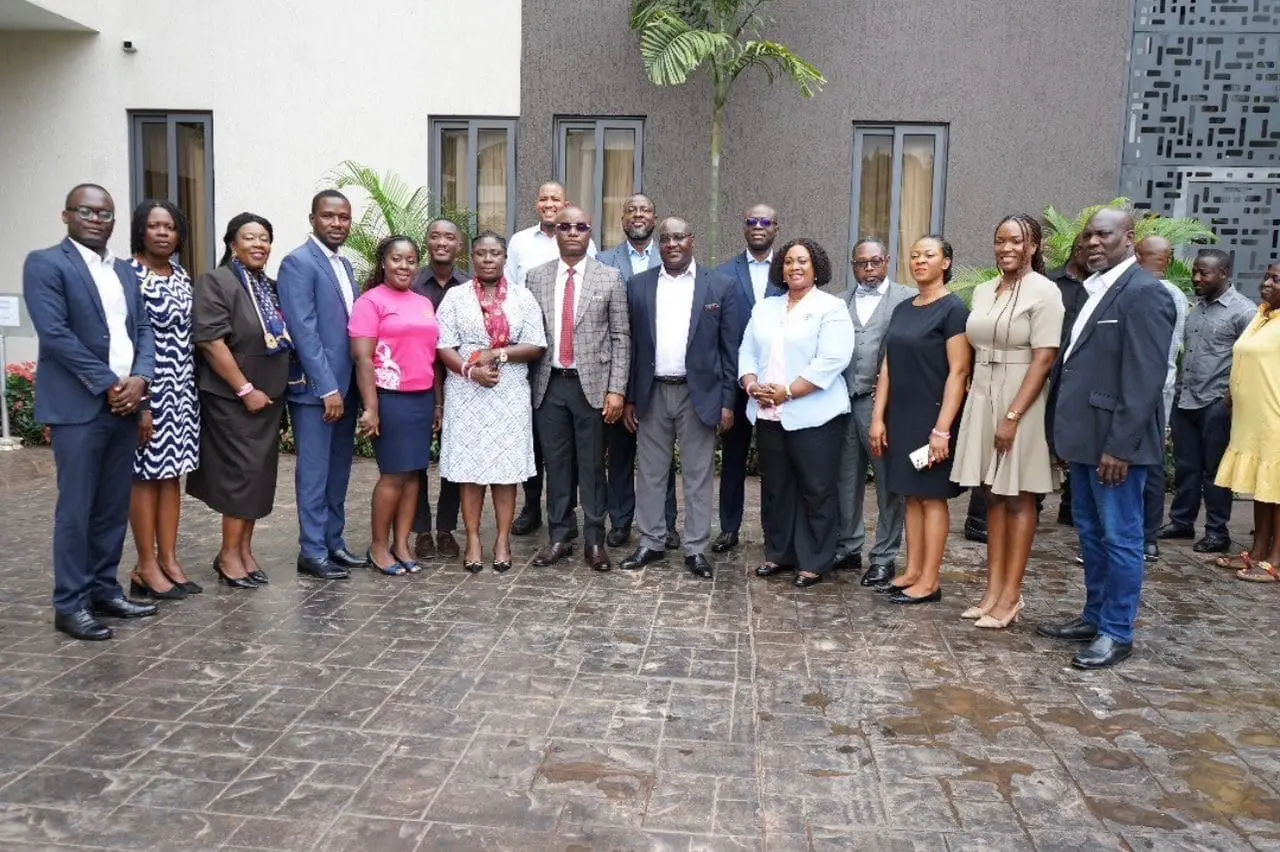
The two-day training, organized by the Bank of Ghana, aimed to enhance the professional competence of selected journalists in Kumasi. Topics covered included ethical reporting, monetary practices, foreign exchange market developments, inflation dynamics, and interpreting MPC data.
Otabil reminded journalists of their critical role in providing authentic facts about the economy and business, as well as offering guidance on personal finance and investment options.
The Kumasi Manager of the Bank of Ghana, Alex Donkor, highlighted the Central Bank’s commitment to supporting informed socio-economic decision-making through effective information dissemination.
Ghana Journalists Association’s Ashanti Regional Chairman, Kingsley Hope, commended the Bank of Ghana for investing in journalists’ training, praising the initiative as a valuable opportunity for deepening understanding of the central bank’s work and improving business and economic reporting.
By emphasizing the importance of accurate and responsible economic reporting, the Bank of Ghana seeks to promote investor confidence and support sustainable economic growth.
Ruth Abla ADJORLOLO
