

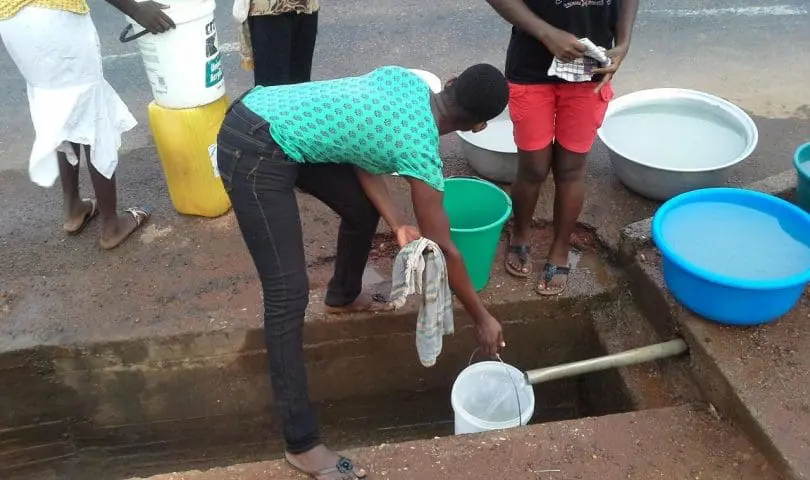

Ghana is struggling to meet the UN’s Sustainable Development Goal (SDG) 6.1, which aims to provide universal access to safe and affordable drinking water by 2030. Professor Samuel Agyei-Mensah of the University of Ghana attributes this shortfall to illegal mining, population growth, urban expansion, climate change, and corroded water pipes.
According to Prof. Agyei-Mensah, Ghana ranks poorly, with only 26-50% of the population having access to safely managed drinking water. In contrast, countries like Russia and the UK boast 70-99% access. Algeria leads Africa with 51-75%.
The professor urges strict enforcement of laws banning illegal mining in water bodies and revocation of LI 2462, which allows mining in forest reserves. He also calls for a national summit to craft a long-term plan for drinking water access.
Ruth Abla ADJORLOLO
