

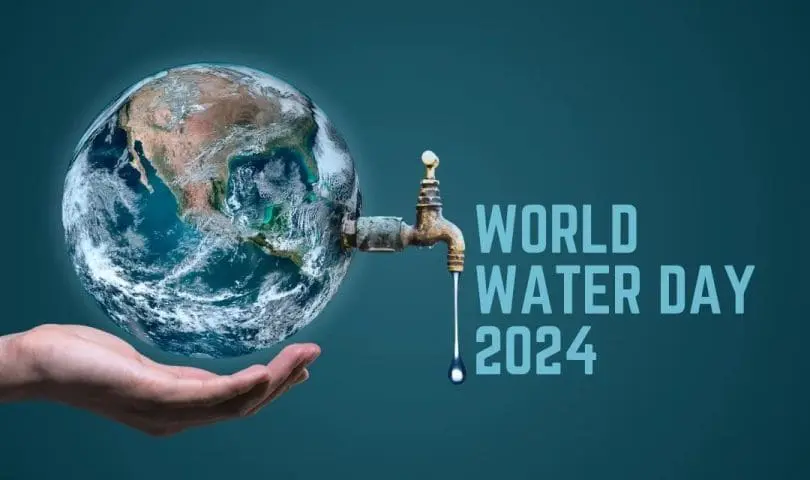

Ghana joined the global community to commemorate World Environmental Health Day, with a strong emphasis on creating resilient communities through disaster risk reduction and climate change mitigation and adaptation. The 2024 theme, “Environmental Health: Creating Resilient Communities through Disaster Risk Reduction and Climate Change Mitigation and Adaptation,” resonates deeply in Ghana, where environmental degradation and climate change pose significant threats to public health and the economy.
The country is grappling with the devastating impacts of illegal mining, water and air pollution, and deforestation. Galamsey, a form of small-scale mining, has ravaged natural resources, contaminating water bodies and farmlands with harmful chemicals like mercury and cyanide ¹. This has severe consequences for human health, agriculture, and biodiversity.
Water pollution, exacerbated by galamsey, industrial waste, and poor waste management, has left many communities without access to clean drinking water. The link between water pollution and public health is stark, with diseases like cholera, typhoid, and dysentery on the rise.
Air pollution, driven by vehicular emissions, industrial activity, and waste burning, is also a major concern, particularly in urban centers like Accra, Kumasi, and Takoradi.
To address these challenges, the government of Ghana is committed to enforcing policies that protect the environment and promote sustainable development. However, achieving lasting change requires collective action.
Key Strategies for Change: Reduce Risks: Tackle root causes of environmental degradation, including galamsey, poor waste management, and unregulated emissions.
Mitigate Climate Change Adopt sustainable agricultural practices, renewable energy sources, and reforestation efforts.
Adapt to Climate Change: Invest in infrastructure that can withstand floods, droughts, and other climate-related disasters.
Environmental health professionals are poised to lead the charge, bridging science, policy, and community engagement. Collaboration with governments, businesses, community leaders, and civil society is crucial.
As Ghana marks World Environmental Health Day, the call to action is clear: every citizen must take responsibility for the health of the environment. By working together, Ghanaians can build resilient communities that thrive in the face of climate change, safeguarding the future for generations to come.
Ruth Abla ADJORLOLO
