

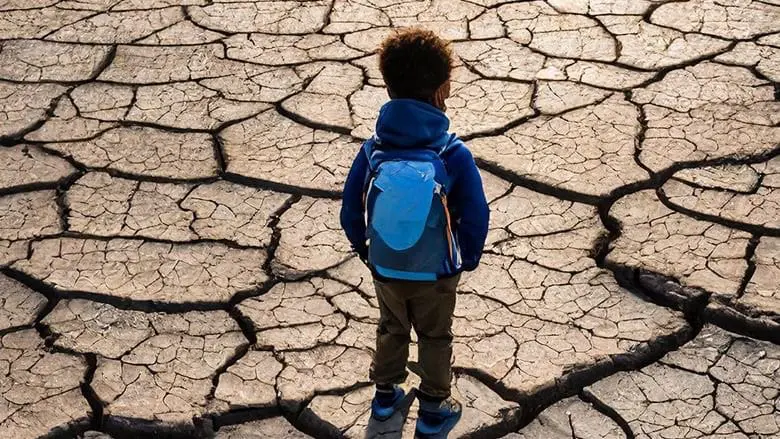

A recent report by the World Bank reveals that climate-related school closures have affected over 400 million students worldwide since 2022, resulting in significant learning losses. The report highlights the critical role of education in addressing climate change, yet notes that it remains massively overlooked in climate financing.
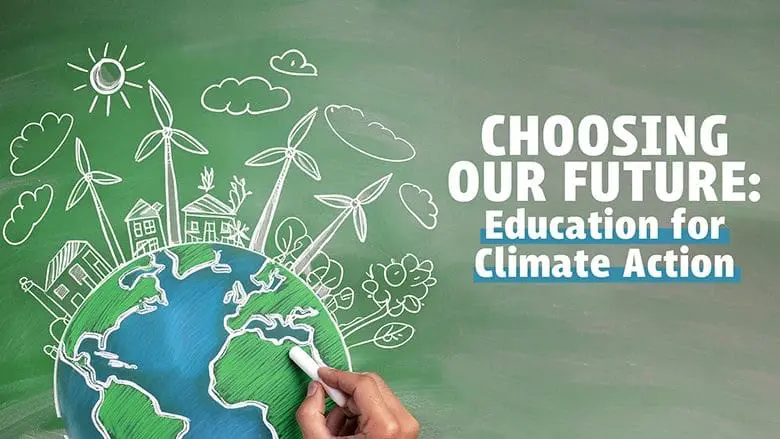
According to the report, education can empower young people with the skills and knowledge necessary to combat climate change, but it is also being threatened by rising temperatures and extreme weather events. Low-income countries are disproportionately affected, with millions of students facing lost days of learning due to climate-related events.
The report emphasizes that governments must act now to adapt education systems for climate change, including improving foundational and STEM skills, mainstreaming climate education, and building teacher capacity. It also highlights the importance of prioritizing green skilling and innovation in tertiary education to support a shift to more sustainable practices.
The World Bank report provides key takeaways, including:
- Education is critical for climate action, driving behavior change, skill development, and innovation.
- Better-educated people are more resilient and adaptable, and critical to driving climate solutions.
- Climate change is a significant threat to education, with millions of students facing lost learning due to climate-related events.
- Governments can take steps to harness education and learning for climate action.
The report also presents four key facts about green skills that policymakers and students need to understand, including the breadth of green skills, their applicability to existing jobs, and the unpredictable demand for these skills.
Ruth Abla ADJORLOLO
