
At Sankofaonline.com, we’re committed to keeping our readers informed about the mpox outbreak in certain African regions. If you require further details about this disease, we recommend reaching out to your physician or local health regulatory board. Knowledge is key in safeguarding our communities.
Confirmed clade I mpox cases were reported in April in CAR and ROC. In late July 2024, clade I cases were confirmed in Rwanda and Uganda. Cases were also confirmed in Burundi; due to Burundi’s proximity to DRC and Rwanda, these cases are presumed to be clade I while clade-specific testing is conducted. Clade I MPXV is not known to be endemic in Burundi, Rwanda, and Uganda.
Due to the limited number of travelers and lack of direct commercial flights from DRC or its neighboring countries to the United States, the risk of clade I mpox importation to the United States is considered to be very low.
Mpox or Monkeypox is a rare disease, which generally occurs in remote parts of Central and West Africa. The virus was first discovered in 1958 when two outbreaks of a pox-like disease occurred in monkeys. The first known human case occurred in 1970 in the Democratic Republic of the Congo, and it has since been reported in humans in other central and western African countries, according to the CDC.
Here’s a summary of information about mpox (monkeypox) in Africa:
- Overview:
- Mpox is an infectious disease caused by the monkeypox virus, a species of the genus Orthopoxvirus.
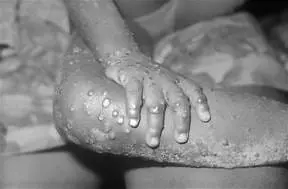
- Common symptoms include a skin rash or mucosal lesions lasting 2–4 weeks, accompanied by fever, headache, muscle aches, back pain, low energy, and swollen lymph nodes
- It can cause serious illness, especially in children, pregnant individuals, and those with compromised immune systems.
- Mode of Transmission:
- Mpox can be transmitted to humans through:
- Physical contact with an infectious person.
- Contaminated materials.
- Infected animals.
- Sexual contact.
- Respiratory droplets or short-range aerosols can also spread the virus.
- Mpox can be transmitted to humans through:
- Treatment and Prevention:
- There is no specific antiviral treatment for mpox. Supportive care is provided.
- Vaccines and therapeutics developed for smallpox can be used for mpox in some cases.
- Prevention involves avoiding contact with infected individuals and considering vaccination for those at risk.
- If you have mpox, stay home until all scabs fall off and a new layer of skin forms. Cover lesions and avoid physical contact with others.
Remember to seek professional medical advice if you suspect mpox or have any related concerns.