

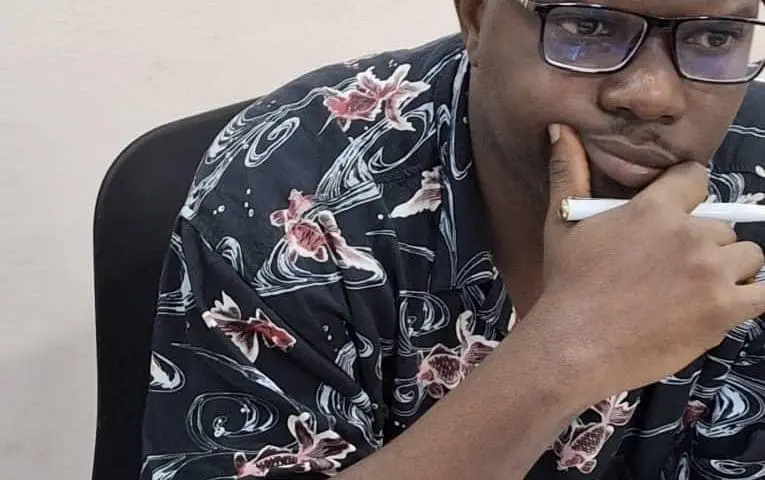

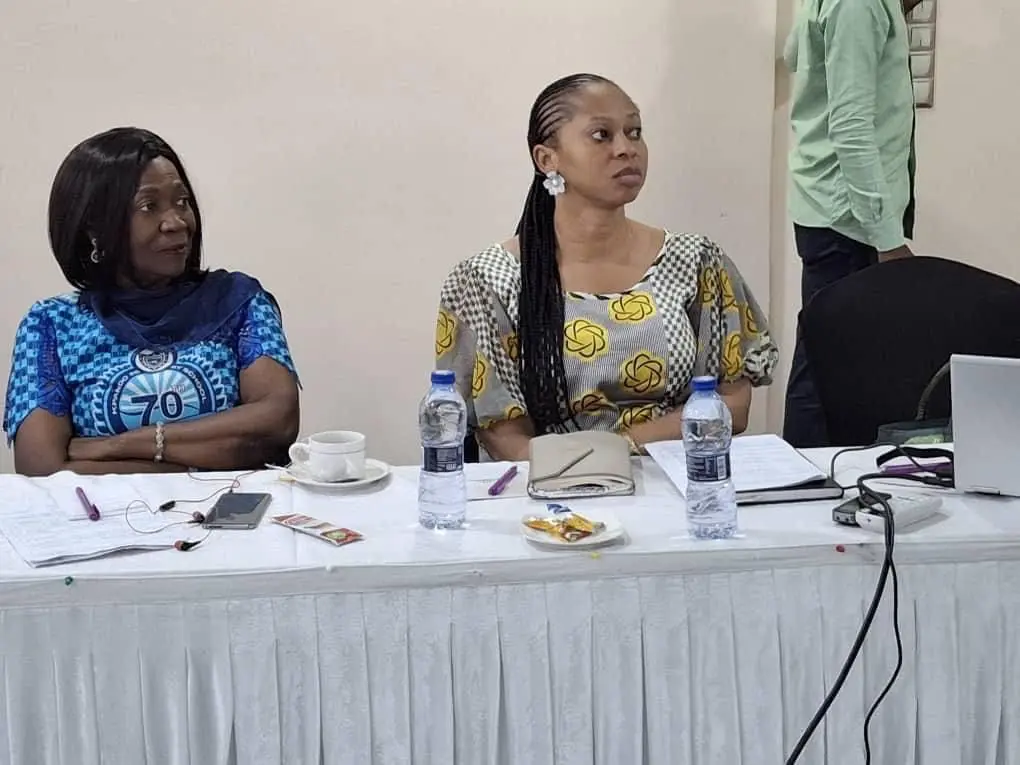
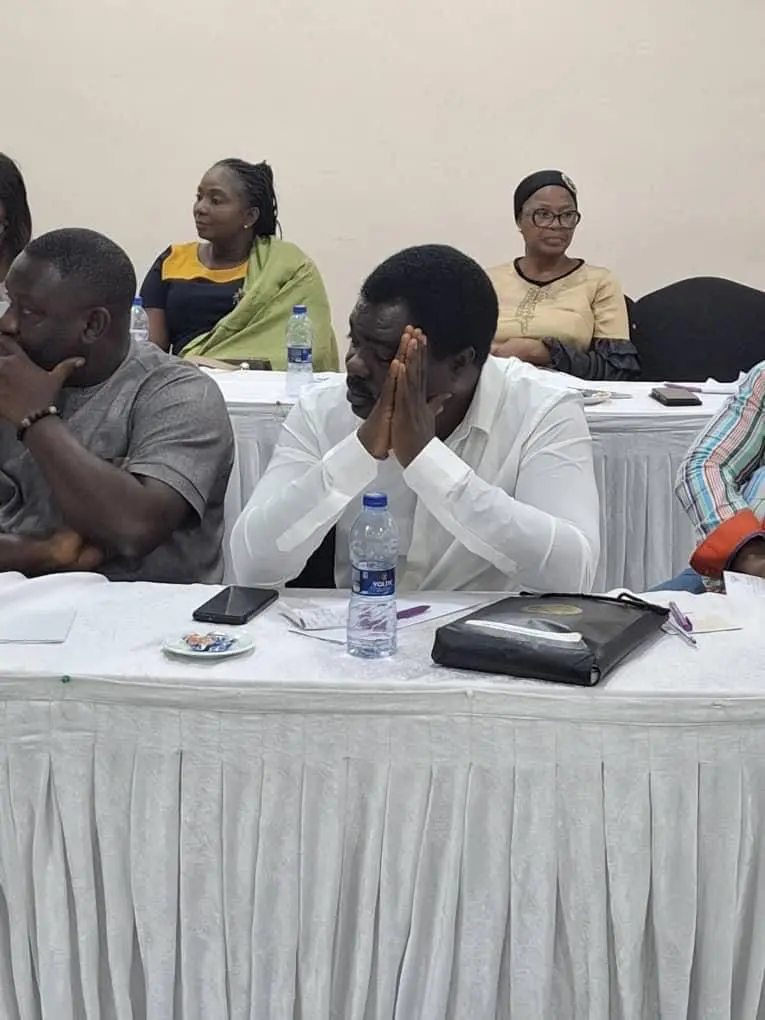
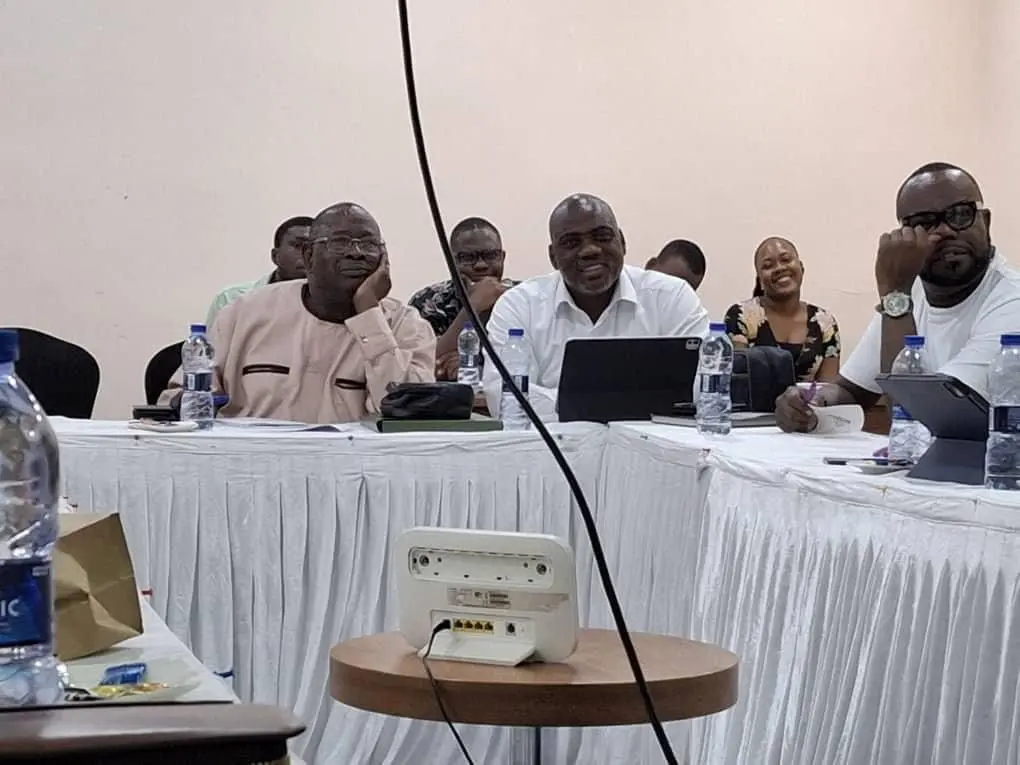
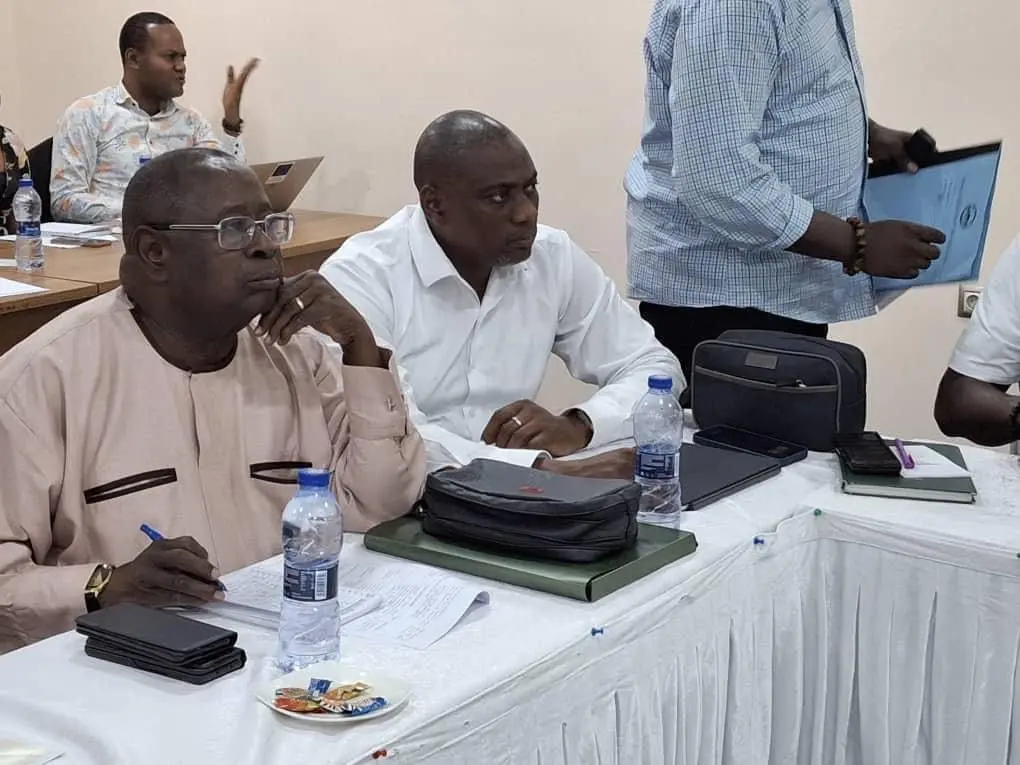
In the heart of Ghana’s vibrant capital, Accra, a two-day workshop unfolded within the hallowed halls of Parliament. From July 20 to 22, 2024, the Judicial Committee of Parliament convened to tackle a pressing concern: striking the perfect balance between Parliament’s oversight responsibilities and the Judiciary’s independence.
As the committee members gathered, the air was thick with anticipation. The workshop aimed to explore the delicate dance between these two pillars of Ghana’s democracy, ensuring that neither overstepped its bounds.
The first day set the stage, with presentations and discussions centered on the constitutional framework governing the relationship between Parliament and the Judiciary. Members delved into the nuances of oversight, scrutinizing the fine line between accountability and interference.
On the second day, the focus shifted to practical applications. Case studies and real-life scenarios were examined, highlighting instances where the balance had been successfully maintained, as well as moments where the scales had tipped too far in one direction.
Through lively debates and thoughtful insights, the committee members worked towards a deeper understanding of their roles. They sought to fortify the foundations of Ghana’s democracy, ensuring that the Judiciary’s independence remained intact while Parliament exercised its oversight duties with precision.
As the workshop drew to a close, a sense of accomplishment filled the room. The committee had made significant strides in clarifying the boundaries, paving the way for a harmonious coexistence between Parliament and the Judiciary. Ghana’s democratic fabric had been strengthened, thanks to the collective efforts of its dedicated public servants.
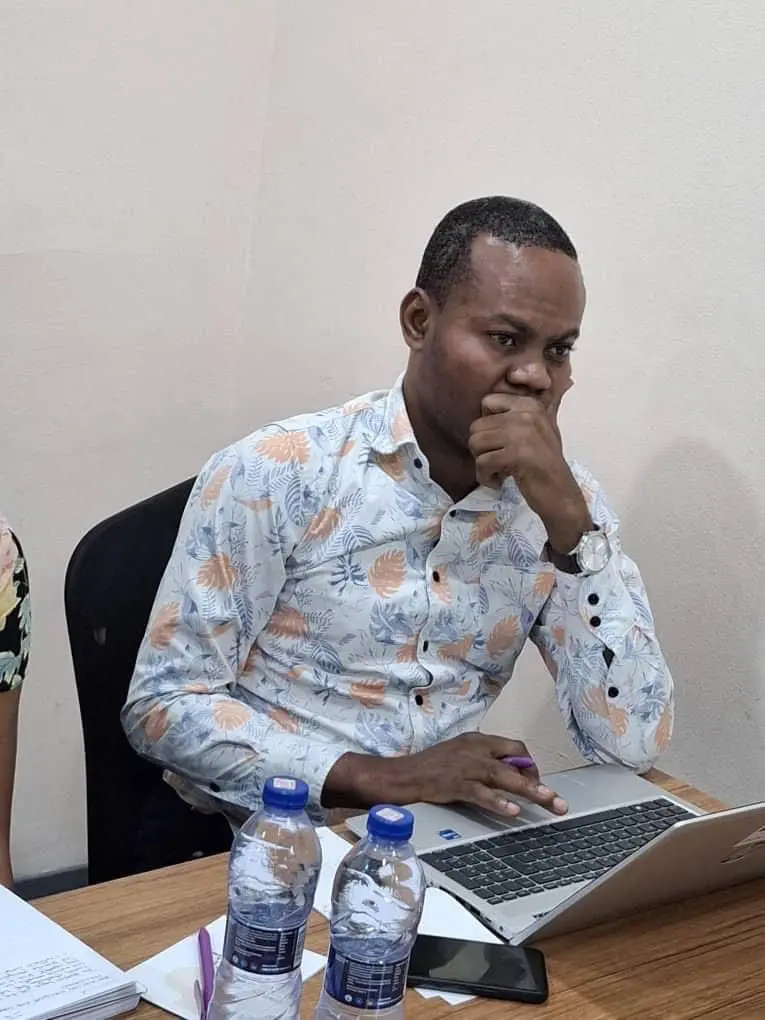
Ruth Abla ADJORLOLO
