

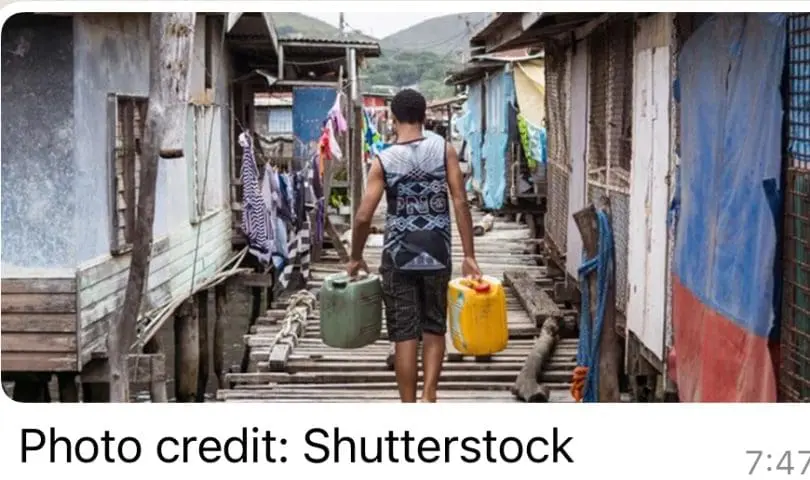

As the world marks nearly a decade since the adoption of the Sustainable Development Goals (SDGs), the progress towards achieving SDG 1 – ending poverty in all its forms everywhere – is alarmingly off track. Despite decades of decline, global poverty reduction has slowed down since 2015, and the COVID-19 pandemic, climate shocks, high debt, and fragility and conflict have caused severe setbacks.
In 2022, approximately 712 million people lived in extreme poverty, and 3.6 billion people, nearly half the global population, survived on less than $6.85 per day. Poverty extends beyond income, with millions denied essential needs like healthcare, education, and dignity.
At the current pace, around 600 million people will still be living in extreme poverty by 2030, most in Sub-Saharan Africa or fragile and conflict-affected areas. It could take over three decades to eradicate extreme poverty at this rate.
However, it’s not too late to change course. Economic growth alone won’t guarantee poverty reduction; it must be more inclusive and sustainable. Investing in people, expanding opportunities, and implementing fiscal policies that work for everyone are crucial. Combining poverty reduction with effective climate action is also vital.
The international community must work together to correct course. Ambitious domestic policies, support from the international community, and boosting long-term financing are necessary. The World Bank Group’s International Development Association is a prime example of catalyzing power, working to replenish resources to continue providing critical support to low-income countries.
An international group of development experts has presented recommendations to jumpstart progress toward eradicating poverty at the High-Level Political Forum on Sustainable Development. It’s time to remain optimistic, focused, and committed to developing effective solutions. The world must step up global action to spur stronger, more inclusive, and more sustainable growth.
Ruth Abla ADJORLOLO
