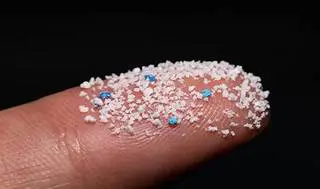

Microplastics are tiny plastic particles that measure less than 5 millimeters in size. They originate from various sources, including the breakdown of larger plastic items like bottles and bags, as well as from products specifically designed to be small, such as microbeads used in cosmetics and industrial abrasives.
These particles are pervasive in the environment, found in oceans, rivers, soil, and even the air we breathe. Due to their small size, microplastics can be ingested by marine life and other animals, leading to potential health risks for both wildlife and humans.
Microplastics can enter our bodies through various sources. Here are some of the main ways we ingest them:
Food: Microplastics have been found in a wide range of foods, including seafood, fruits, vegetables, and even processed foods. Marine animals like fish and shellfish can ingest microplastics, which then make their way up the food chain to humans.
Drinking Water: Both tap and bottled water can contain microplastics. Studies have shown that bottled water often has higher concentrations of microplastics compared to tap water.
Air: Microplastics can be present in the air we breathe, especially indoors where synthetic fibers from clothing and household items can contribute to airborne microplastics.
Food Packaging: Plastic packaging materials can release microplastics into food, especially when exposed to heat or physical stress.
Soil and Crops: Microplastics can contaminate soil through the use of sewage sludge as fertilizer. Plants can absorb these particles, leading to their presence in root vegetables and other crops.
Reducing exposure to microplastics involves being mindful of these sources and making choices like using reusable containers, filtering drinking water, and opting for fresh, unpackaged foods when possible.
Here are some of the potential dangers they pose to our health and wellbeing:
Respiratory Issues: Inhalation of microplastics can lead to respiratory problems, including inflammation and irritation of the airways.
Digestive Problems: Ingesting microplastics through food and water can disrupt gut microflora and gastrointestinal functions.
Endocrine Disruption: Chemicals in microplastics, such as phthalates and BPA, can mimic hormones and interfere with the endocrine system, affecting reproductive health and development.
Oxidative Stress: Microplastics can trigger oxidative stress, which can damage cells and tissues.
Immune System Impact: Exposure to microplastics may provoke immune responses, potentially leading to chronic inflammation.
Potential Carcinogenic Effects: Some studies suggest that microplastics may increase the risk of cancer, particularly in the digestive tract.
Given these risks, it’s important to be mindful of our exposure to microplastics and take steps to reduce it where possible, such as avoiding plastic packaging and using alternatives like glass or stainless steel.
This information is provided solely for educational purposes only.
Source : Various