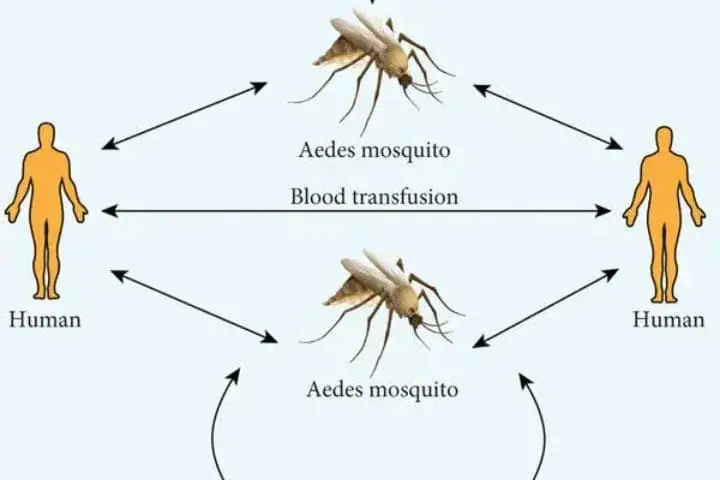

The Ghana Health Service (GHS) has issued an urgent alert regarding an outbreak of Dengue Fever in the Eastern Region. This development comes after the national surveillance system detected unusual clinical malaria cases in several districts, which did not respond to standard antimalarial treatment. As a result, these cases were managed as acute febrile illnesses, and samples were sent to the Noguchi Memorial Institute for Medical Research (NMIMR) for further analysis and specific diagnosis . Subsequently, nine of the cases have been confirmed as the dangerous Dengue Fever.
Key Points:
- Detection and Investigation: A team of entomologists and epidemiologists from the national level has joined the regional team to conduct a detailed outbreak investigation.
- Laboratory Confirmation: Regional Directors of Health Service and Chief Executive Officers of Teaching Hospitals are urged to ensure that health workers in their respective regions, districts, and hospitals receive this Dengue Fever alert. All clinical malaria cases should undergo laboratory confirmation, with blood samples taken and transported to NMIMR for testing.
- Case Definitions:
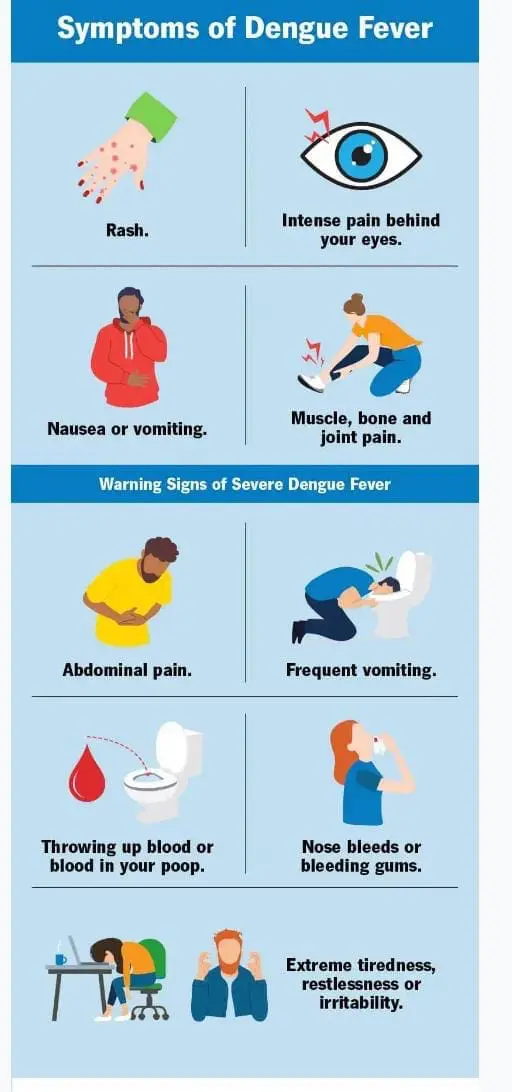
- Suspected Case: Individuals with acute febrile illness lasting 2-7 days, exhibiting two or more of the following symptoms: headache, retro-orbital pain, myalgia, arthralgia, rash, haemorrhagic manifestations, or leukopenia.
- Confirmed Case: Suspected cases with laboratory confirmation (positive IgM antibody, four-fold or greater rise in IgG antibody titres, positive PCR, or viral isolation).
- Severe Forms: Dengue Haemorrhagic Fever and Dengue Shock Syndrome are severe forms of the disease. Criteria for these include bleeding tendencies, circulatory failure, altered mental status, and other specific indicators.
Public Awareness Measures:
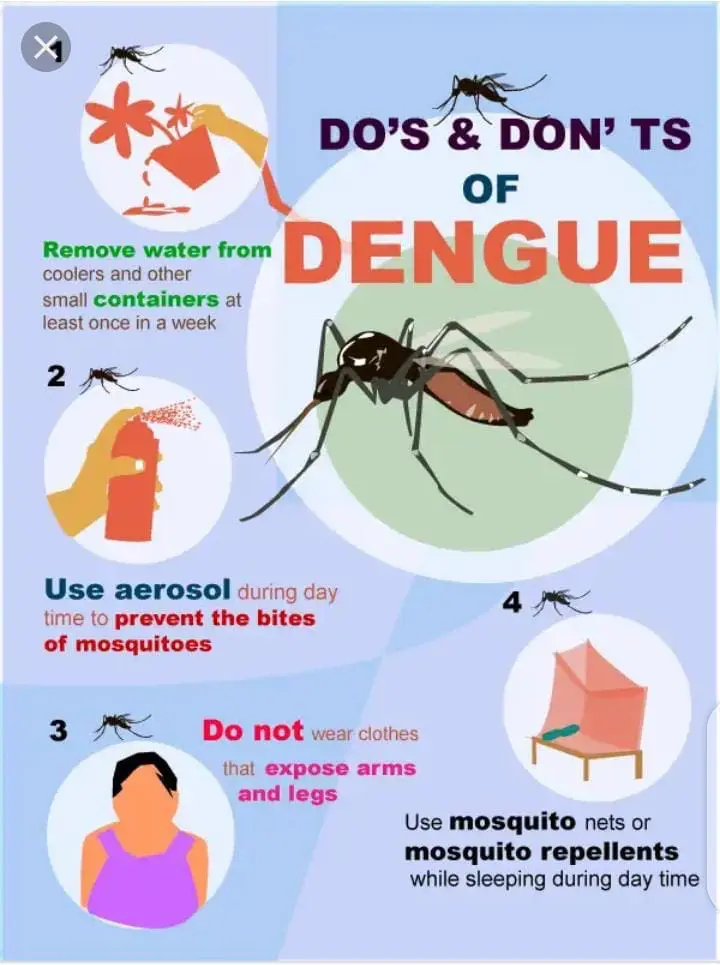
- Mosquito Bite Prevention: Encourage the public to sleep under mosquito nets and wear appropriate clothing to avoid mosquito bites.
- Breeding Site Elimination: Promote proper waste management to reduce potential mosquito breeding grounds.
Thank you for your attention to this critical health issue.
Source: Dr. Patrick Kuma-Aboagye Director-General, Ghana Health Service