

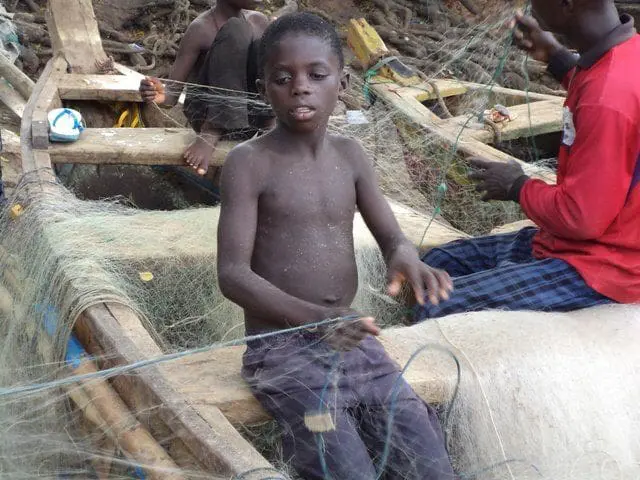

As the world marks International Child Labour Day, Ghana is being called upon to intensify its efforts to eliminate child labour, a phenomenon that affects 21% of children aged 5-17 in the country. Despite progress made, controversies surrounding the definition of child labour and misunderstandings between international organizations, government institutions, and local NGOs have hindered progress.
The EU and UK’s new legislations rejecting commodities produced with child labour pose a threat to Ghana’s export industry, including cocoa and timber. To address this, engagements between parties are necessary to clear ambiguities and forestall future bottlenecks.
Mechanisms must be put in place to enable reporting of alleged child labour cases at both national and local levels, and education is key to exposing malfeasants. Combating child labour requires collaboration among stakeholders, and practical actions are necessary to achieve visible results.
Ghana must demonstrate commitment to eliminating child labour in word and action, ensuring a better future for its children and a brighter future for the nation.
Theodore Mawuli Viwotor
