

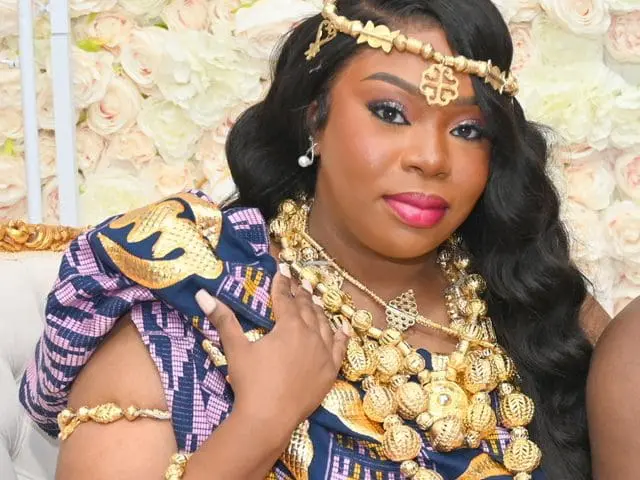

The Ewe people have rich cultural traditions, and their marriage ceremonies are no exception. Let me share some insights into the ancient Ewe marriage customs, including the practice you mentioned.
- Knocking Ceremony (‘Vɔƒoƒo’):
- The informal relationship between young lovers is formalized through a ceremony known as “vɔƒoƒo” or “knocking.”
- During this ceremony, the groom’s parents send his father’s sister and his brother’s mother’s sister to the bride’s parents.
- Their purpose is to formally ask for the bride’s hand in marriage.
- The bride’s parents then consider the proposal, making inquiries about the man and his family.
- If satisfied, they accept the request, and the groom’s deputation is informed.
- As a sign of appreciation, the groom’s side offers two bottles of imported or locally brewed gin as a “knocking fee” or “vɔlenu.”
- This payment signifies the seriousness and permanence of the relationship1.
- Marriage Payments (‘Srɔnu’ or ‘Tabianu’):
- Once the proposal is accepted, preparations begin for raising the marriage payments.
- The groom’s paternal and maternal aunts carry these payments to the bride’s parents’ home.
- The payments can be in a large trunk, wooden box, or a large pan called “ƒovi.”
- The bride’s family inspects the offerings, and if found sufficient, they accept them.
- Otherwise, adjustments may be made before the marriage proceeds.
- Key Ceremonies:
- Handing Over of the Bride (‘Dedeasi’):
- Takes place in the bride’s father’s house.
- Both parents give advice to the couple, emphasizing their responsibilities to each other.
- This ceremony transfers sexual rights to the groom after the powdering ritual.
- Powdering of the Bride (‘Togbagba’):
- An essential step where the bride is adorned with powder.
- It symbolizes her transition from girlhood to womanhood.
- Consummation (‘Ɖoɖoabadzi’):
- The couple consummates their marriage.
- Seclusion (‘Dedexɔ’):
- The newlyweds spend time in seclusion, strengthening their bond.
- Handing Over of the Bride (‘Dedeasi’):
- Wedding Date and Venue:
- The wedding date is chosen carefully, usually on a good day (“asinyuigbe”) when the moons are dark.
- Traditionally, the wedding takes place in the evening at the groom’s father’s house.
Remember that these customs reflect the Ewe people’s respect for tradition, family, and community. Each ceremony plays a vital role in establishing a legal union.
