

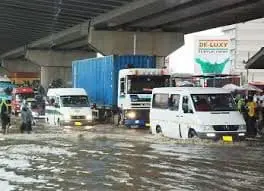

Once upon a time, in the bustling city of Accra, heavy downpours caused widespread destruction and loss of life. A young schoolboy tragically lost his life in the floods, leaving his family and community devastated. The city’s residents were shocked and outraged, demanding answers from the government.
As the waters receded, the true extent of the damage became clear. Homes were destroyed, businesses were ruined, and lives were forever changed. The government’s failure to prevent and manage the floods was starkly evident.
Former President John Dramani Mahama, a leader with a proven track record, spoke out against the government’s inaction. He recalled the huge sums of money spent on flood prevention initiatives, including the $200 million allocated to the Greater Accra Resilient Integrated Development Programme (GARID). Yet, despite these efforts, the city remained vulnerable to flooding.
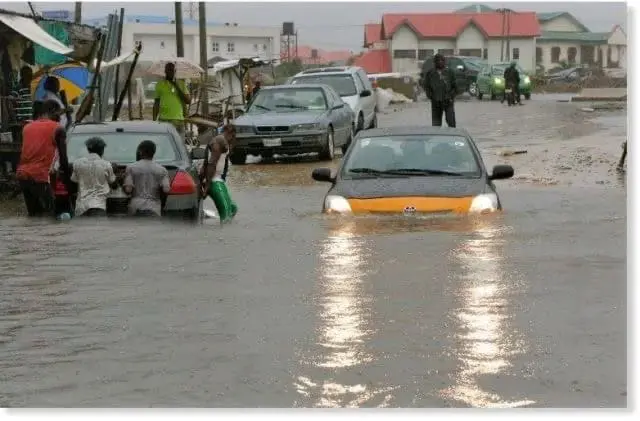
Mahama vowed that, if given the chance to lead the country again, he would prioritize the safety and well-being of the people. He pledged to implement a comprehensive flood prevention and management plan, investing in sustainable drainage systems, clearing structures in waterways, and promoting proper waste management.
The people of Accra and beyond were inspired by Mahama’s commitment to change. They rallied behind his vision, demanding real solutions to the persistent flooding. Together, they worked towards building a safer, more resilient Ghana, where no family would have to suffer the loss of a loved one due to the government’s inaction.
The story spread like wildfire, a beacon of hope in the face of adversity. The people’s voices were heard, and their actions sparked a movement for real change. The city began to transform, with new infrastructure and innovative solutions emerging. The memory of the young schoolboy who lost his life in the floods became a rallying cry, a reminder of the importance of prioritizing the safety and well-being of all citizens.
Ruth Abla ADJORLOLO
