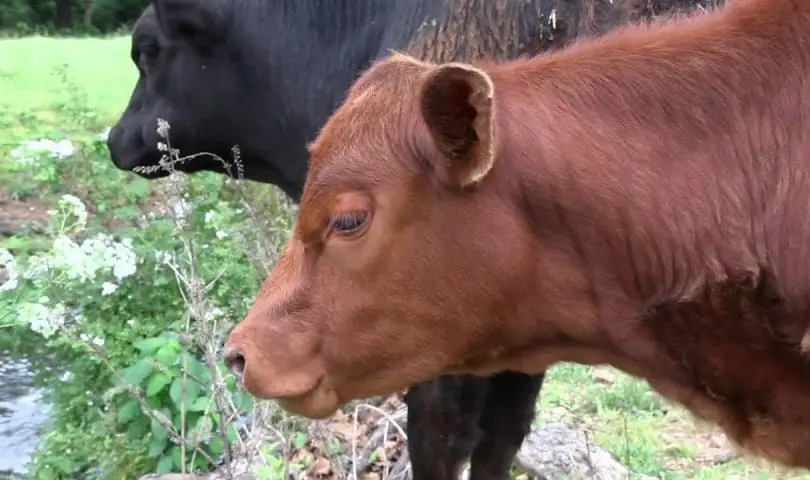


When it comes to biblical prophecy and the anticipation of the “end of days,” few phenomena have captured the imagination of believers in Christianity and Judaism as profoundly as the concept of the red heifer. The birth of a red heifer is not merely a biological occurrence; it is laden with theological and eschatological significance. This article delves into the intriguing story of the first red heifer in 2000 years, examining its historical roots, the prophecies it fulfills, and the fervent anticipation it stirs among the faithful.
In the spring of 1989, Clyde Lott, an accomplished cattle breeder, and a Pentecostal preacher, embarked on an unusual biblical exploration. While thumbing through the pages of the Old Testament, he came across Numbers 19, a chapter that prescribed a peculiar ritual involving a “red heifer without spot.” This biblical directive was shrouded in mystery and had puzzled theologians and scholars for centuries. Even King Solomon, renowned for his wisdom, could not decipher the reason behind the red heifer’s significance.1
What perplexed Lott even more was the apparent genetic incongruity. The cattle described in the Old Testament, particularly those owned by Jacob, were speckled, spotted, and brown. Yet, here was an explicit commandment for a red heifer. This genetic anomaly added a layer of complexity to the enigma. Nonetheless, the Lord had mandated that this specific type of heifer was the only means through which the Israelites could purify themselves and engage in the worship of God, hence the importance of the biblical prophecy today.