
By Sankofaonline News Desk
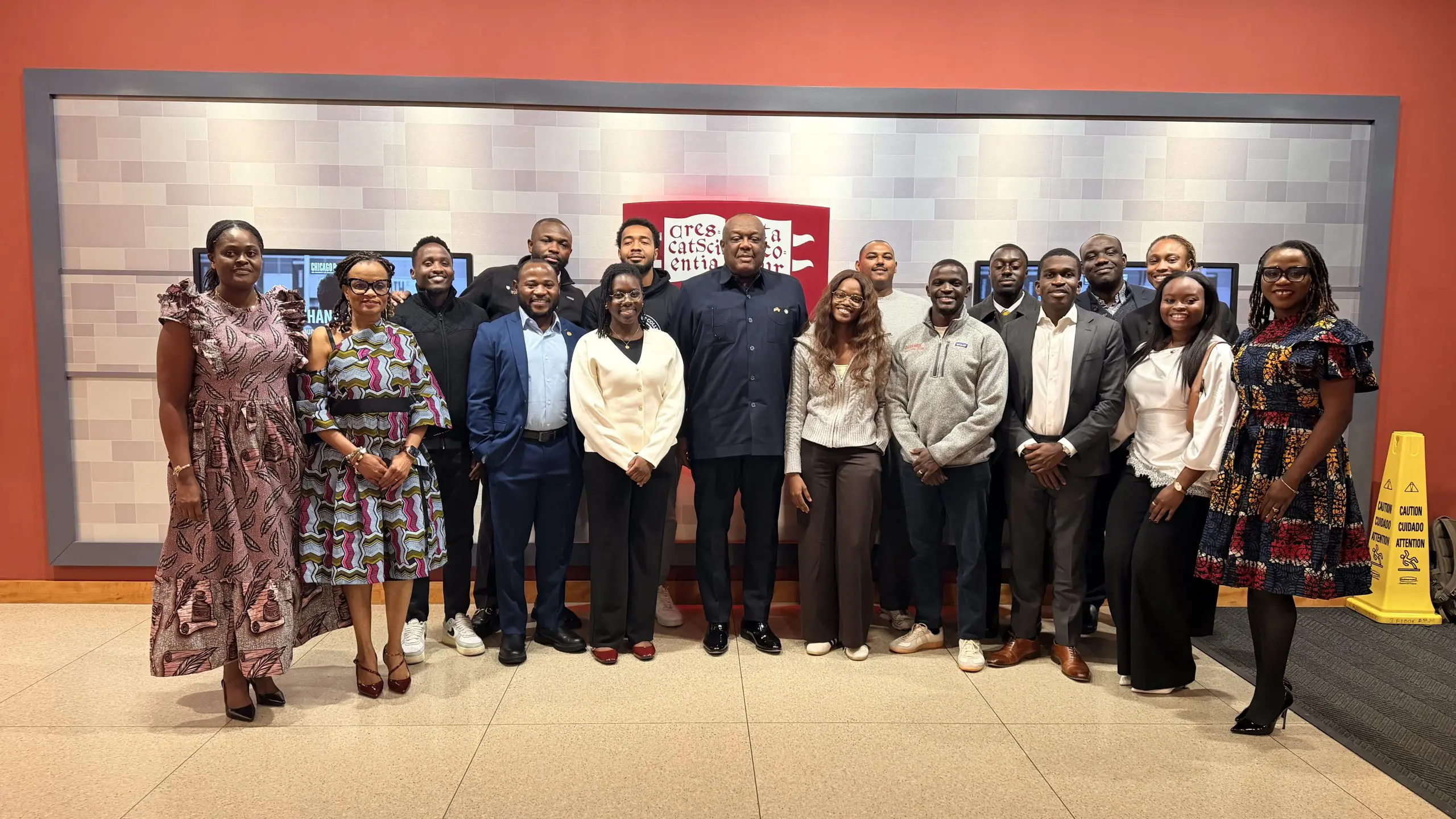
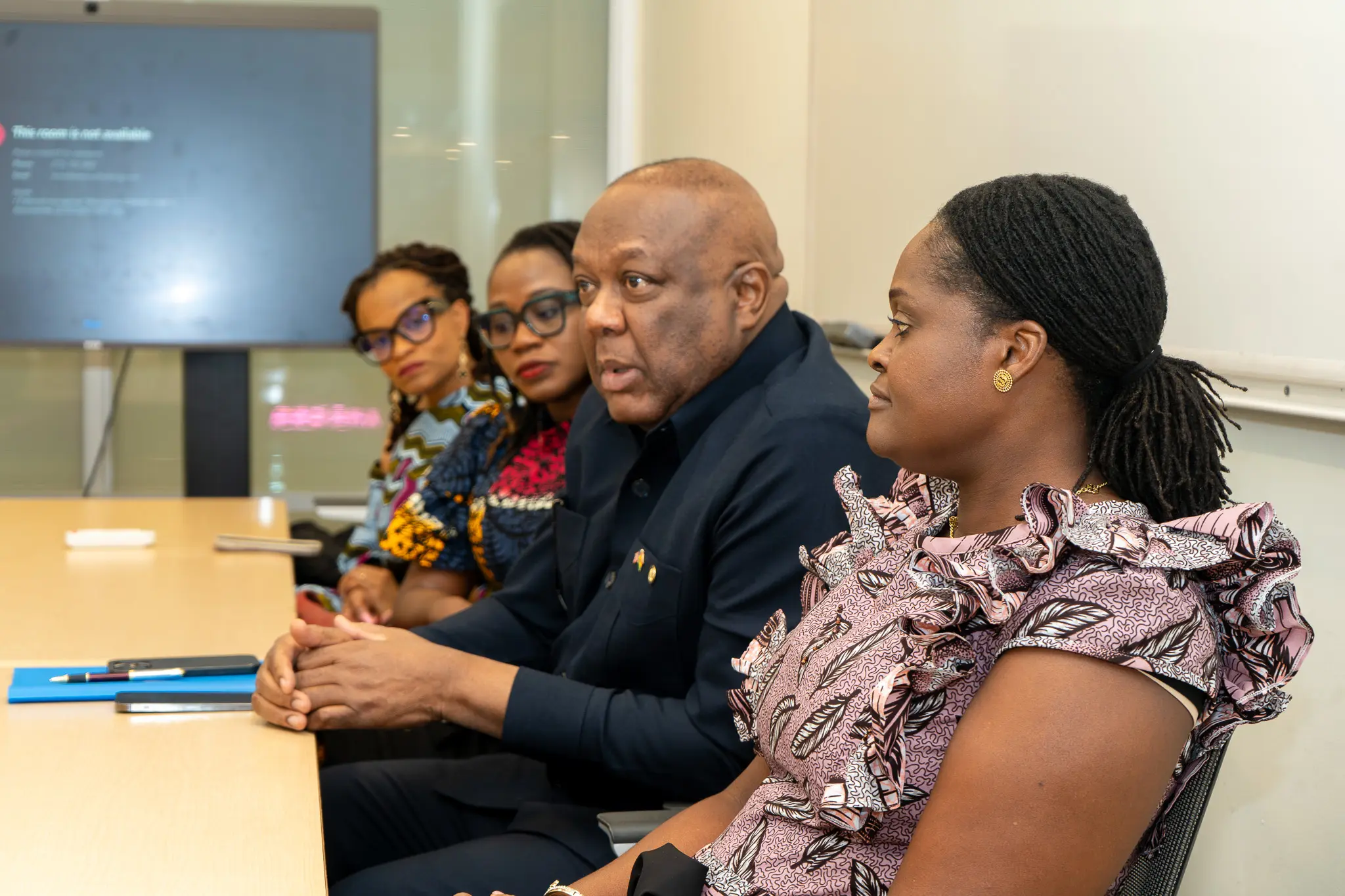
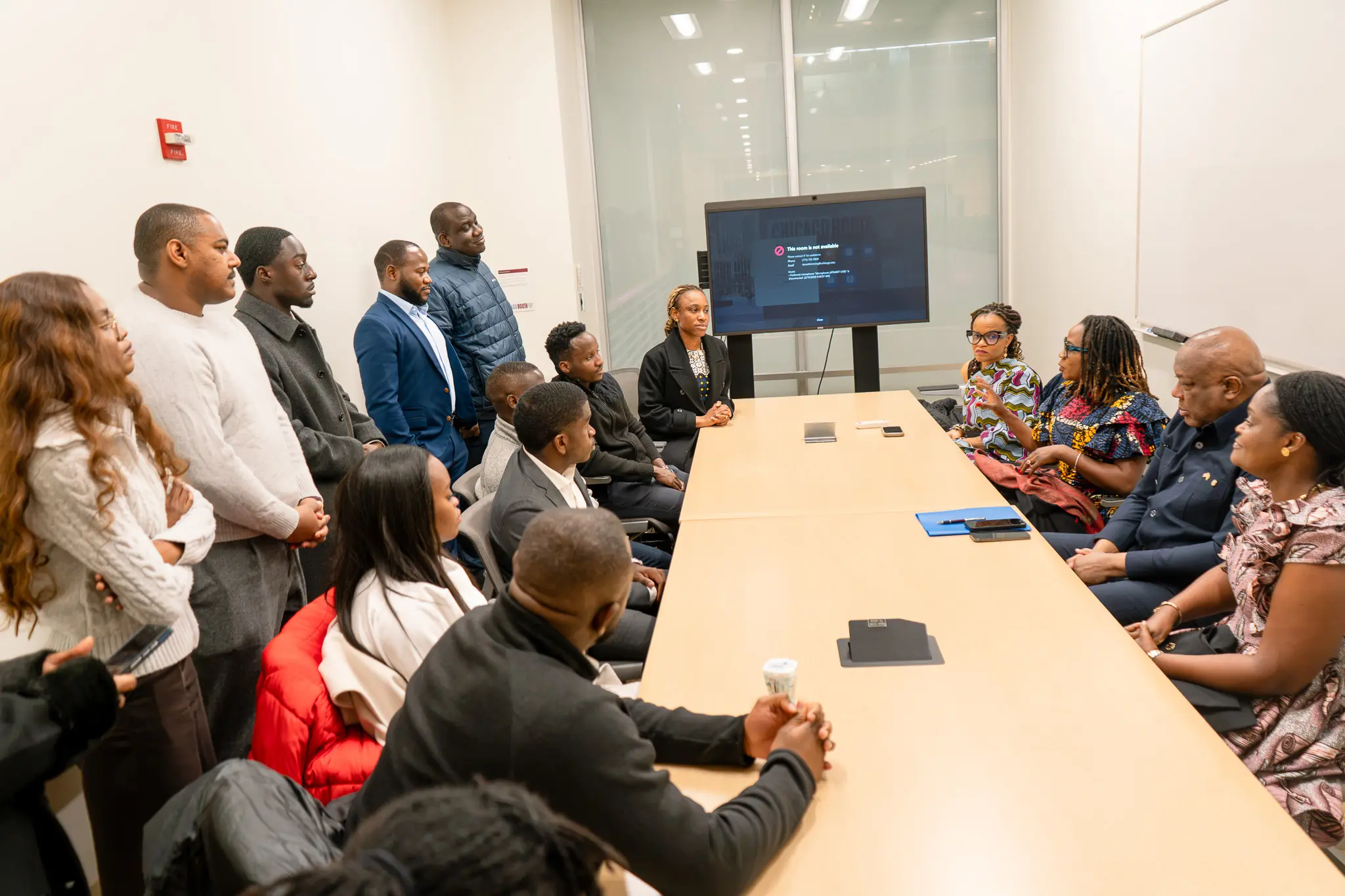
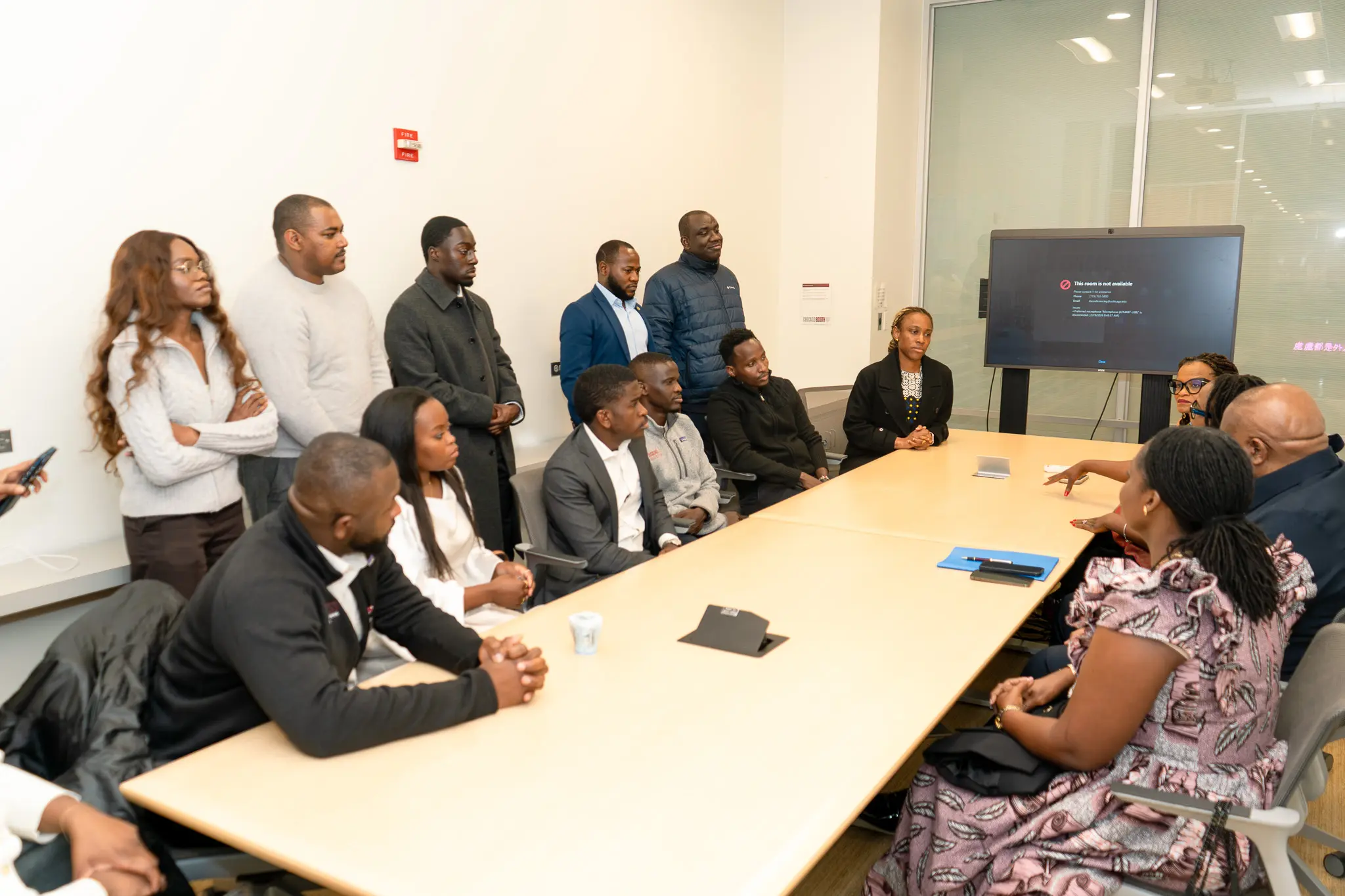
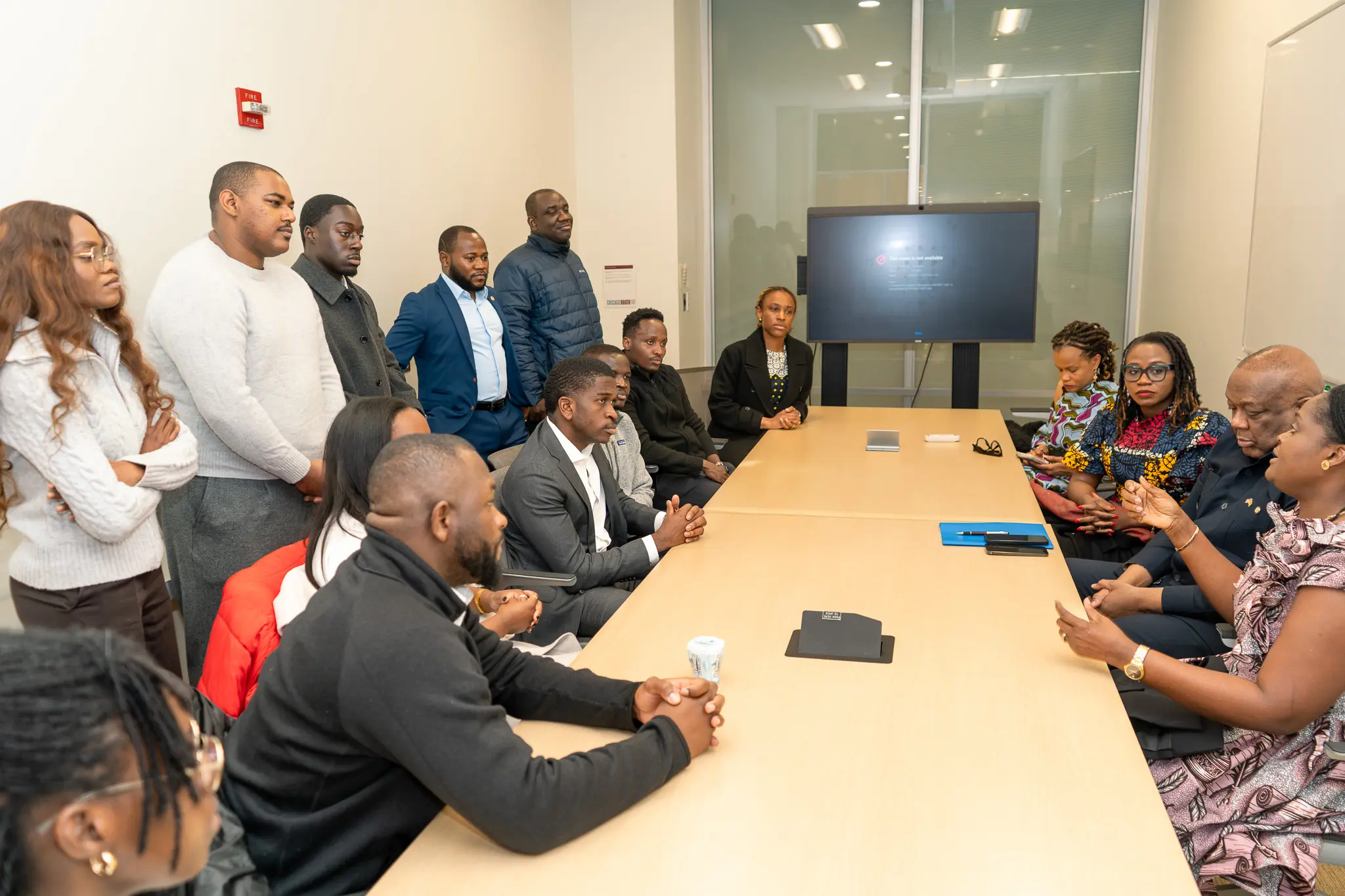
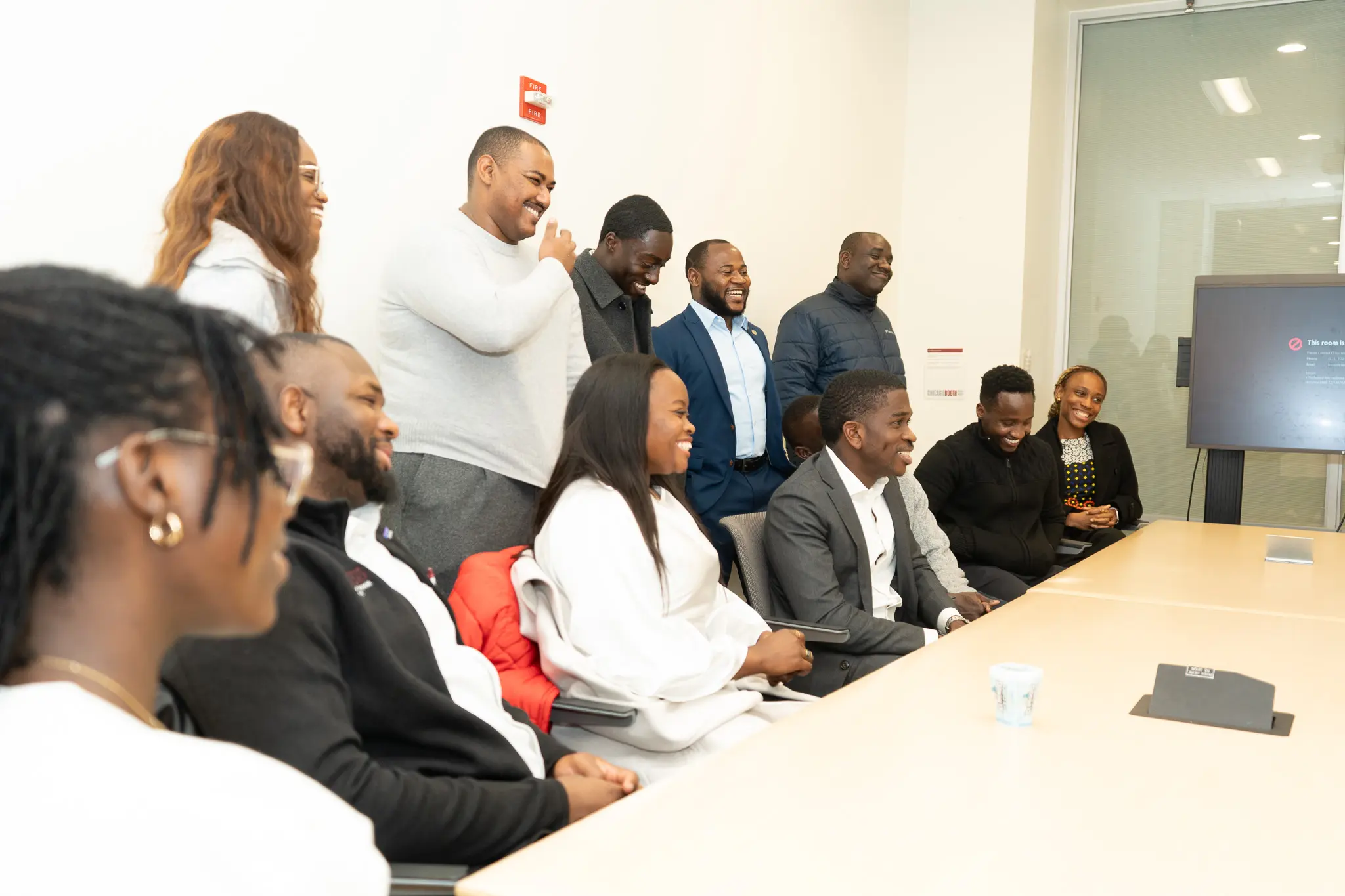
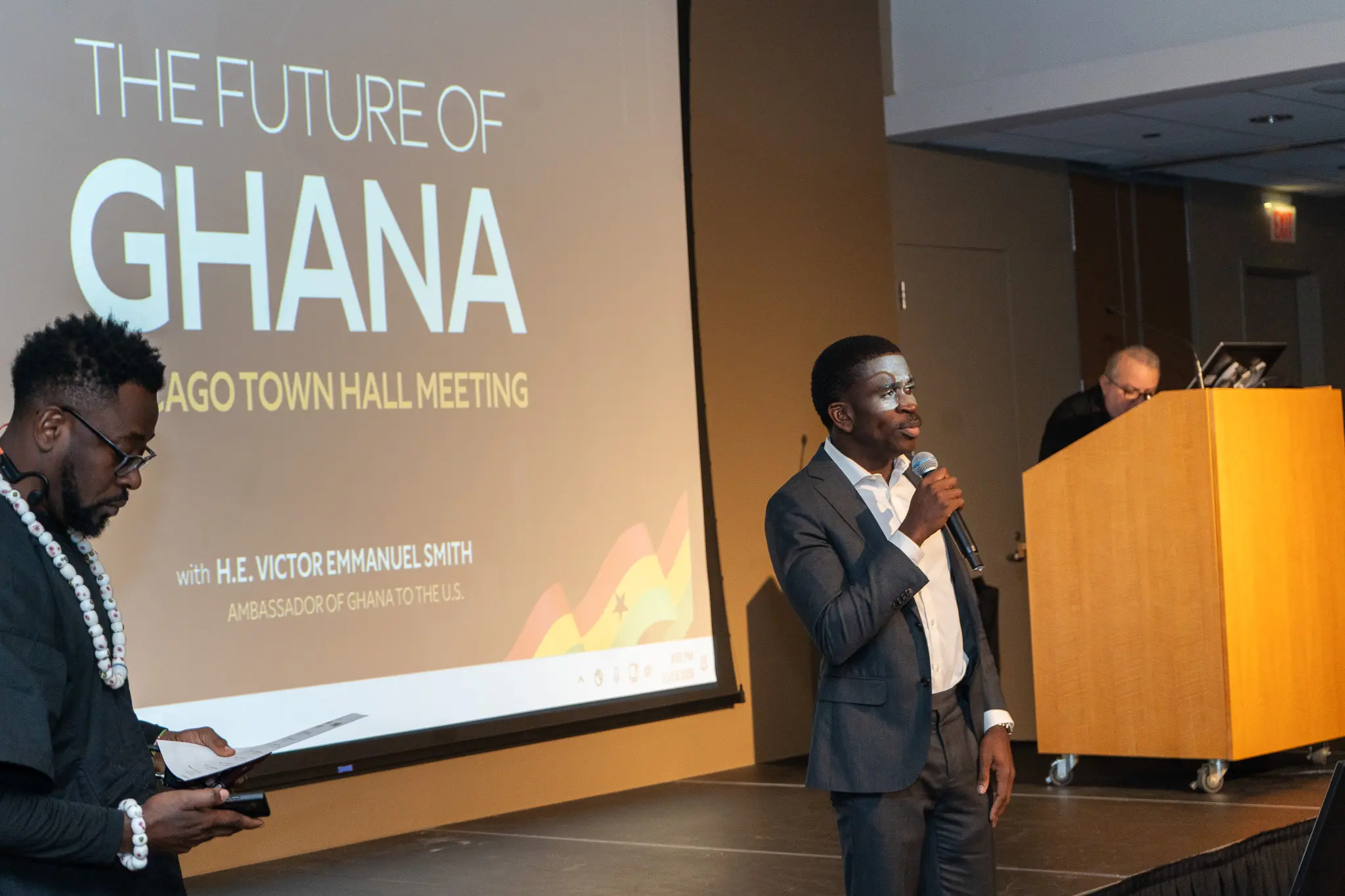
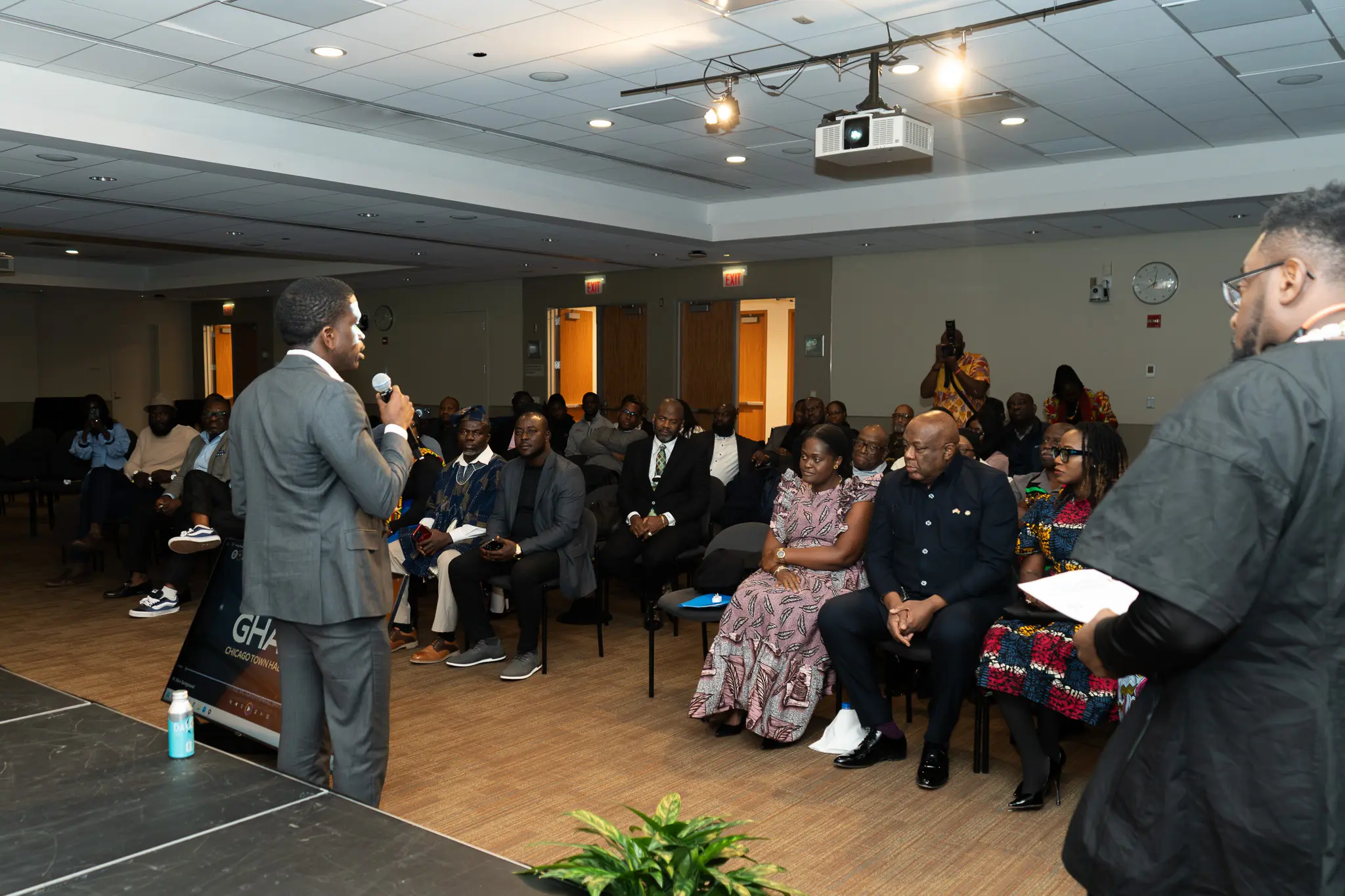
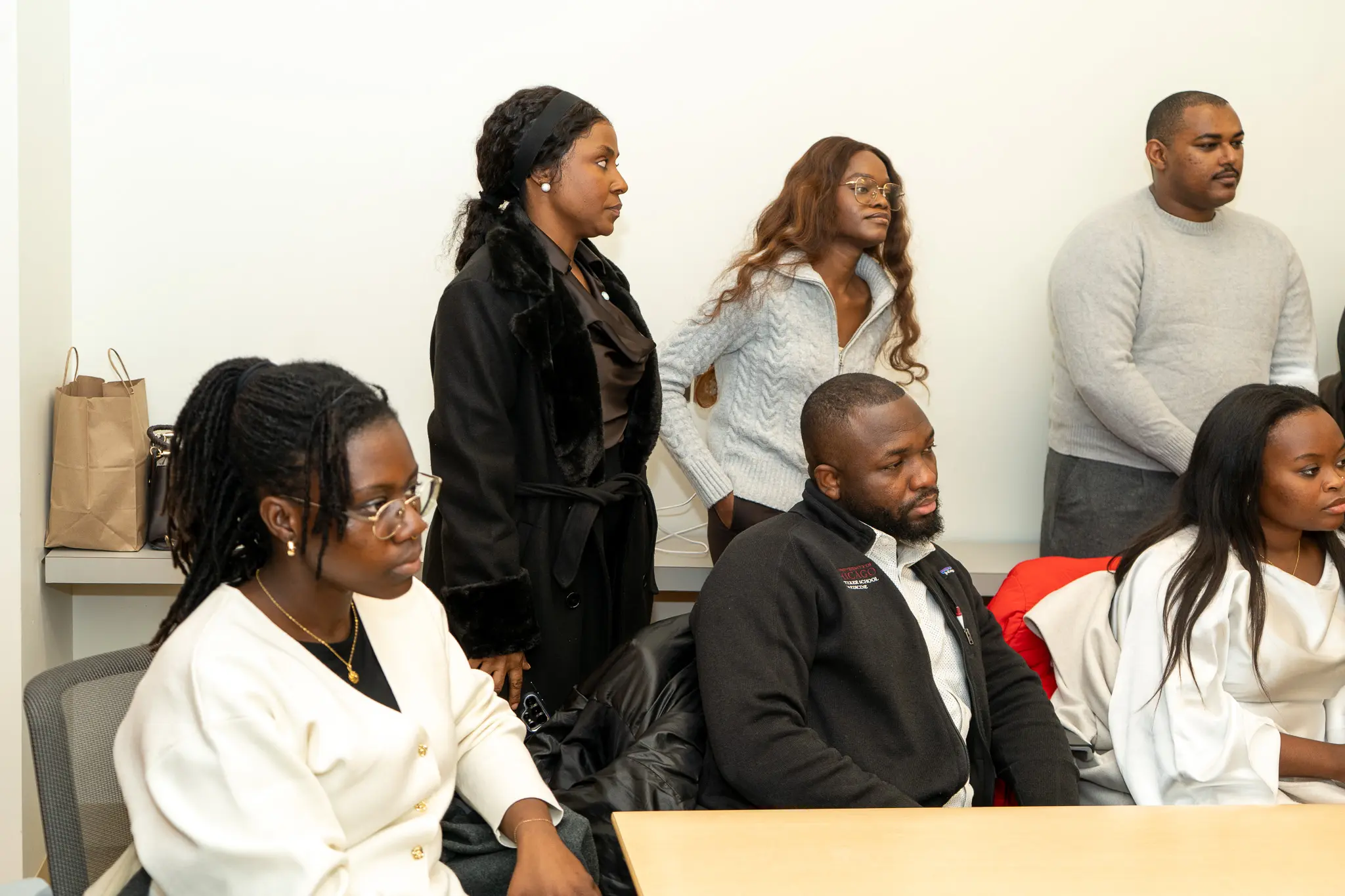
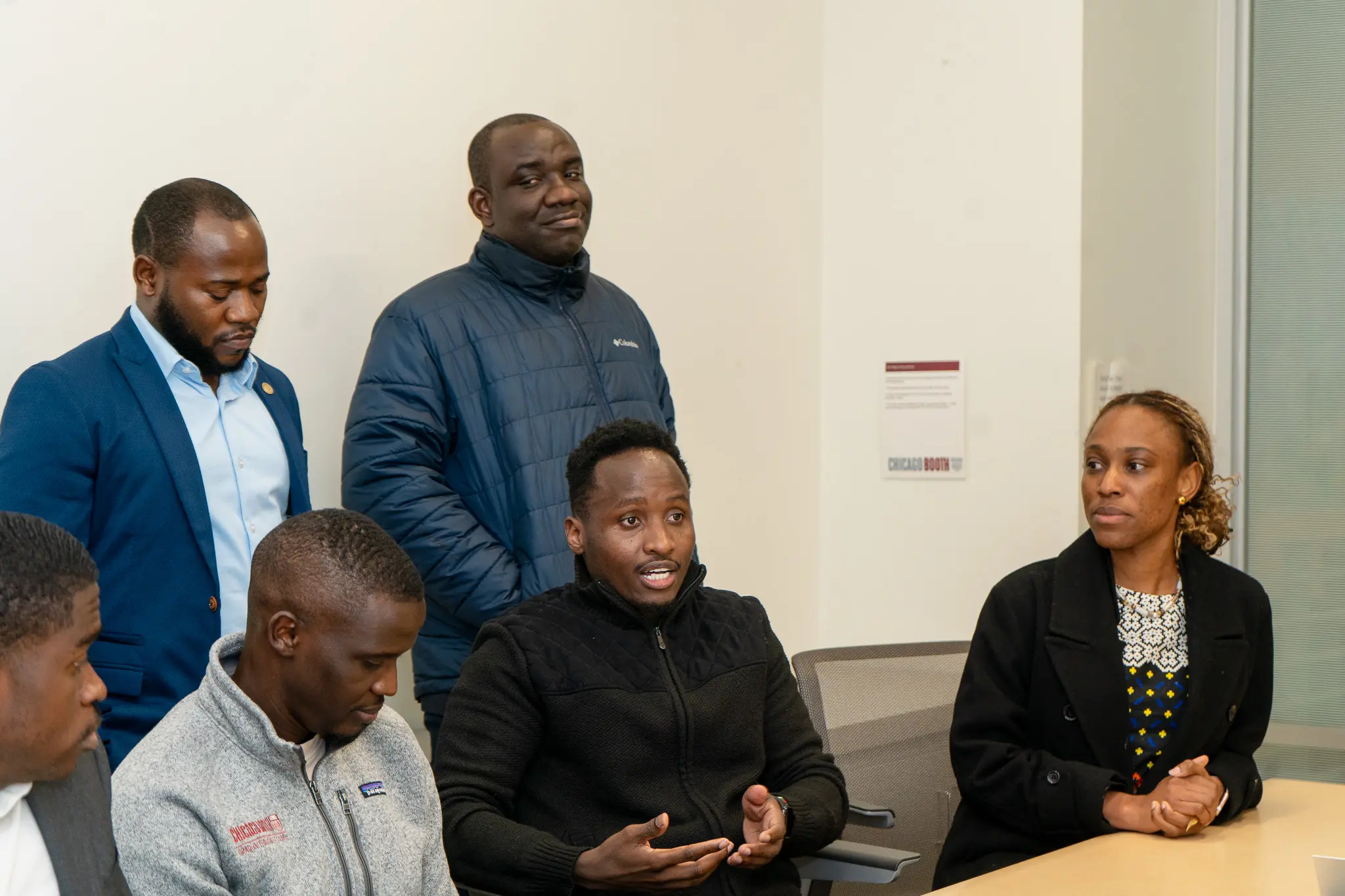
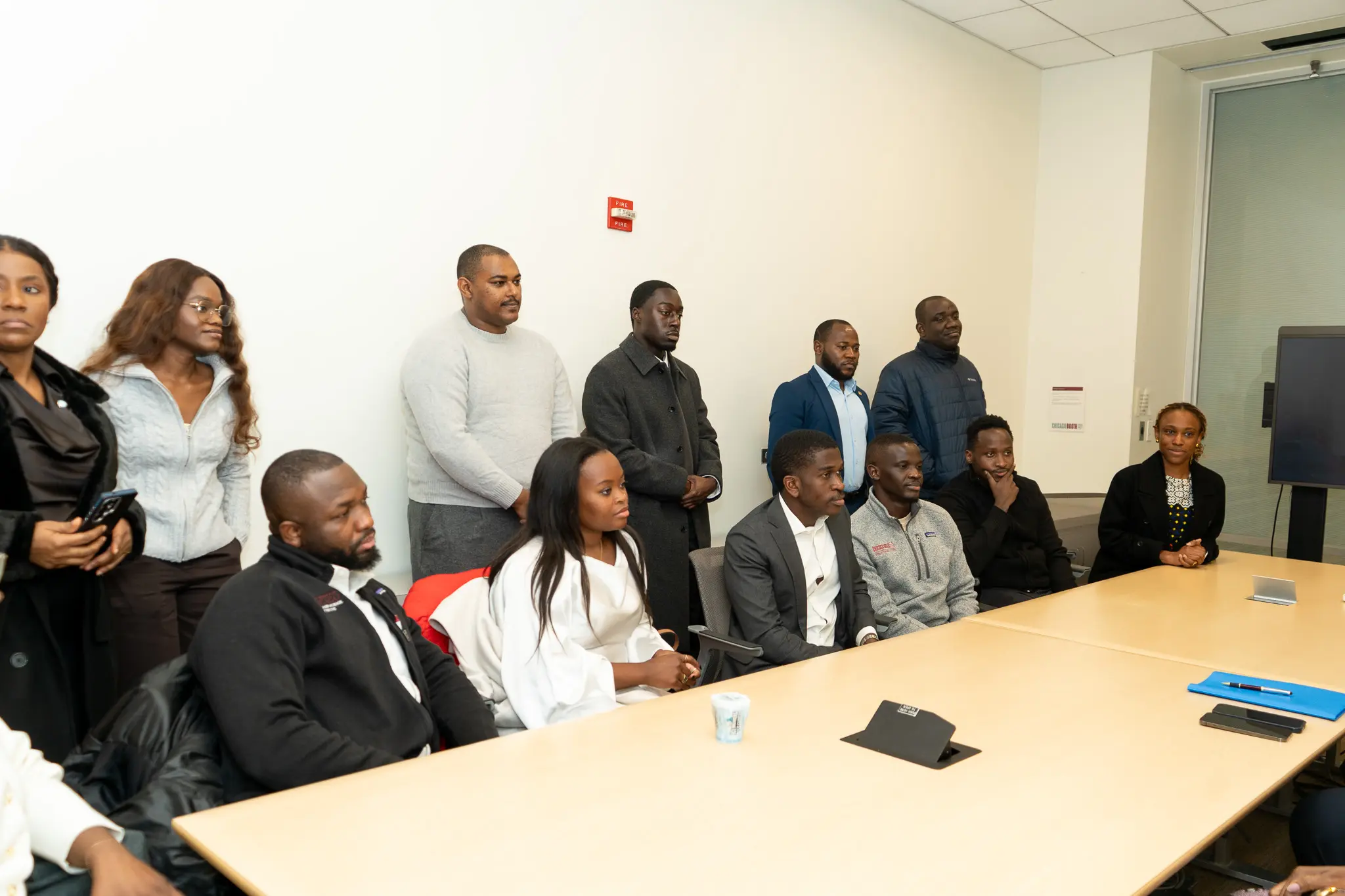
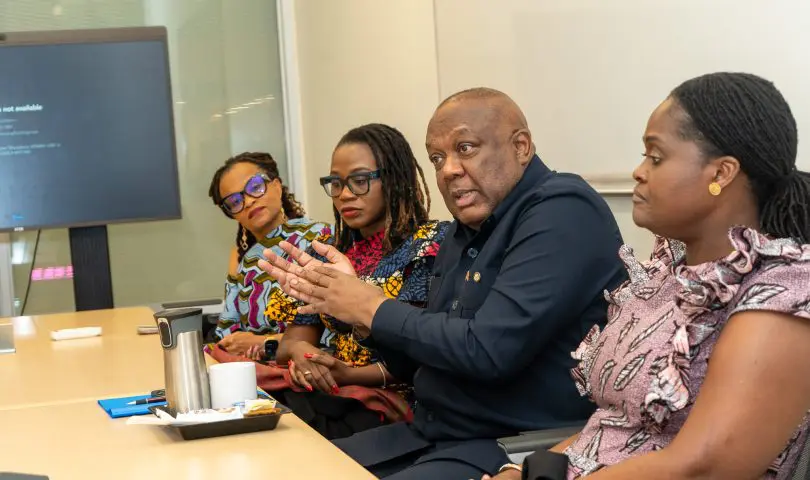
Chicago, Illinois: Diplomacy is often measured in speeches, ceremonies, and carefully choreographed moments. But inside a seminar room at the University of Chicago Booth School of Business, Ghana’s Ambassador to the United States, His Excellency Ambassador Victor Emmanuel Smith, and Maabena Ohene-Kena Webb, Chief Executive Director of Region 17, demonstrated a different model altogether, one rooted not in protocol, but in execution.
What unfolded was far more than a diplomatic outreach event. Captured during HE Ambassador Victor Smith Meets University of Chicago Booth Students video , the session evolved into an unscripted strategy conversation about economic sovereignty, diaspora ownership, and the future of Africa’s development. In just over fourteen minutes video footage , participants moved beyond familiar discussions about remittances and goodwill to confront a more urgent question:

How do Africans and the global African diaspora build lasting economic power instead of merely supporting it from afar?
Region 17: From Symbolism to Structure
At the center of that conversation was Maabena Ohene-Kena Webb, joined by Region 17 Chief Operating Officer Rosca Sasu, offering perhaps the clearest articulation yet of the mission behind Ghana’s groundbreaking Region 17 initiative.
Rooted in President John Dramani Mahama’s Beyond the Return framework, Region 17 emerged from the historic recognition of the global African diaspora as Ghana’s seventeenth region, standing alongside the country’s sixteen geographic regions.
For Webb, however, the designation carries little meaning if it remains symbolic.
Her message was clear: Region 17 is not a ceremonial concept designed for conferences and commemorative events. It is an operating framework designed to mobilize capital, expertise, entrepreneurship, and strategic partnerships.
In her vision, Ghana is not merely extending an invitation to Ghanaians abroad. It is positioning itself as a continental gateway through which people of African descent across the world can participate directly in building resilient economies, creating generational wealth, and advancing African self-determination.
The emphasis throughout was unmistakable.
Not charity.
Not dependency.
Not nostalgia.
Ownership.
Ambassador Smith’s Relentless Focus on Execution
If Webb provided the architecture, Ambassador Victor Smith supplied the urgency.
Throughout the discussion, he repeatedly returned to a single principle that has increasingly defined his diplomatic engagements:
Execution matters more than intention.
Responding to proposals for a permanent Midwest diaspora presence in Chicago, Smith welcomed the initiative while emphasizing the importance of coordination and accountability. Rather than allowing promising ideas to disappear into layers of bureaucracy, he advocated a streamlined structure connecting Chicago-based initiatives directly to Region 17 and Ghana’s Embassy in Washington.
For the Ambassador, the challenge facing Africa is not a shortage of ideas.
The continent has ideas.
The diaspora has ideas.
Investors have ideas.
Students have ideas.
The challenge is turning those ideas into measurable outcomes.
Factories opened.
Businesses financed.
Partnerships launched.
Jobs created.
Institutions built.
That philosophy became most evident during one of the session’s defining moments. Preparing to hand the floor over to Webb and Sasu, Ambassador Smith paused and surveyed the room. He had arrived expecting to engage primarily with Ghanaian students and professionals.
What he found instead was something far more significant.
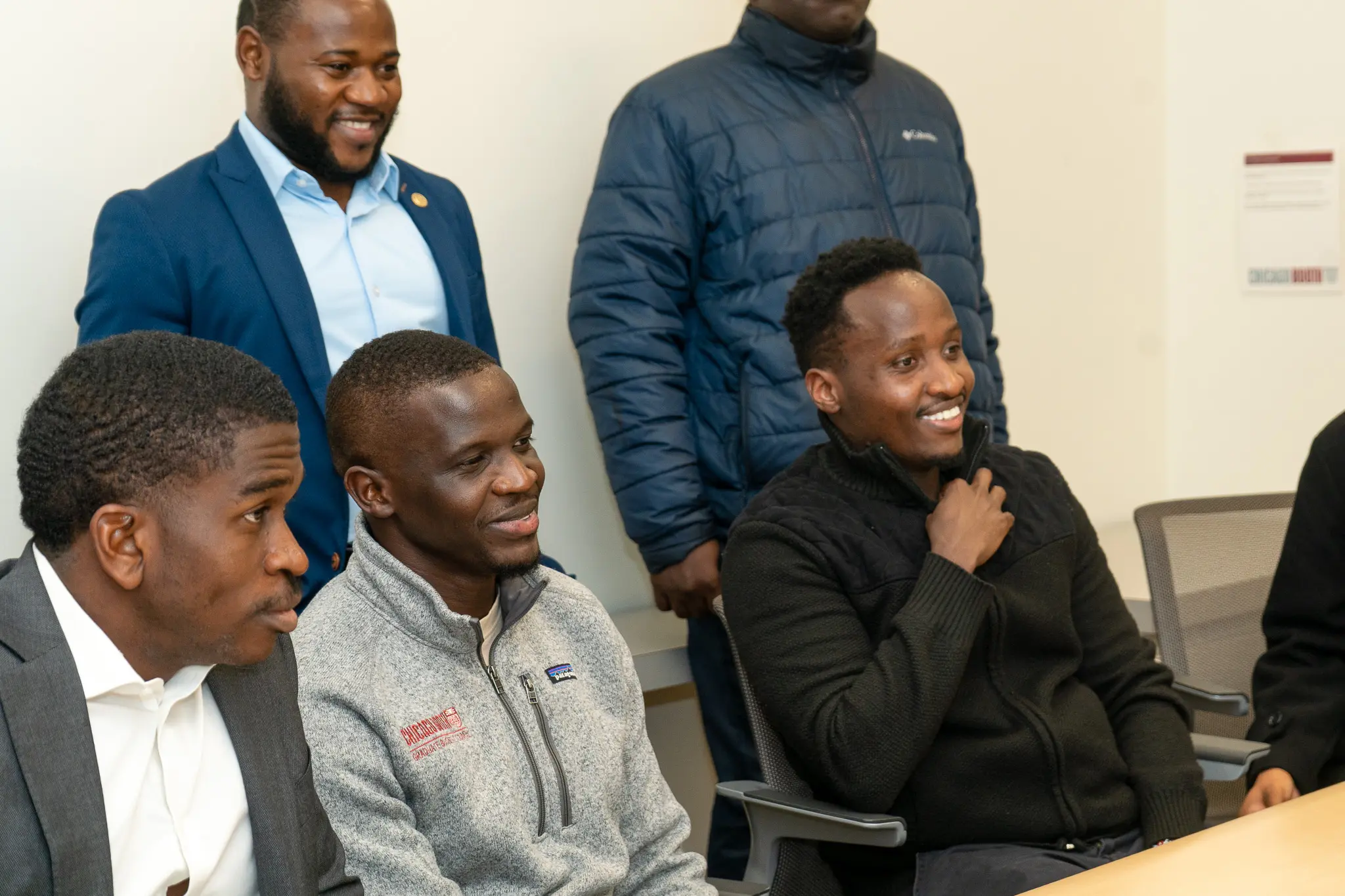
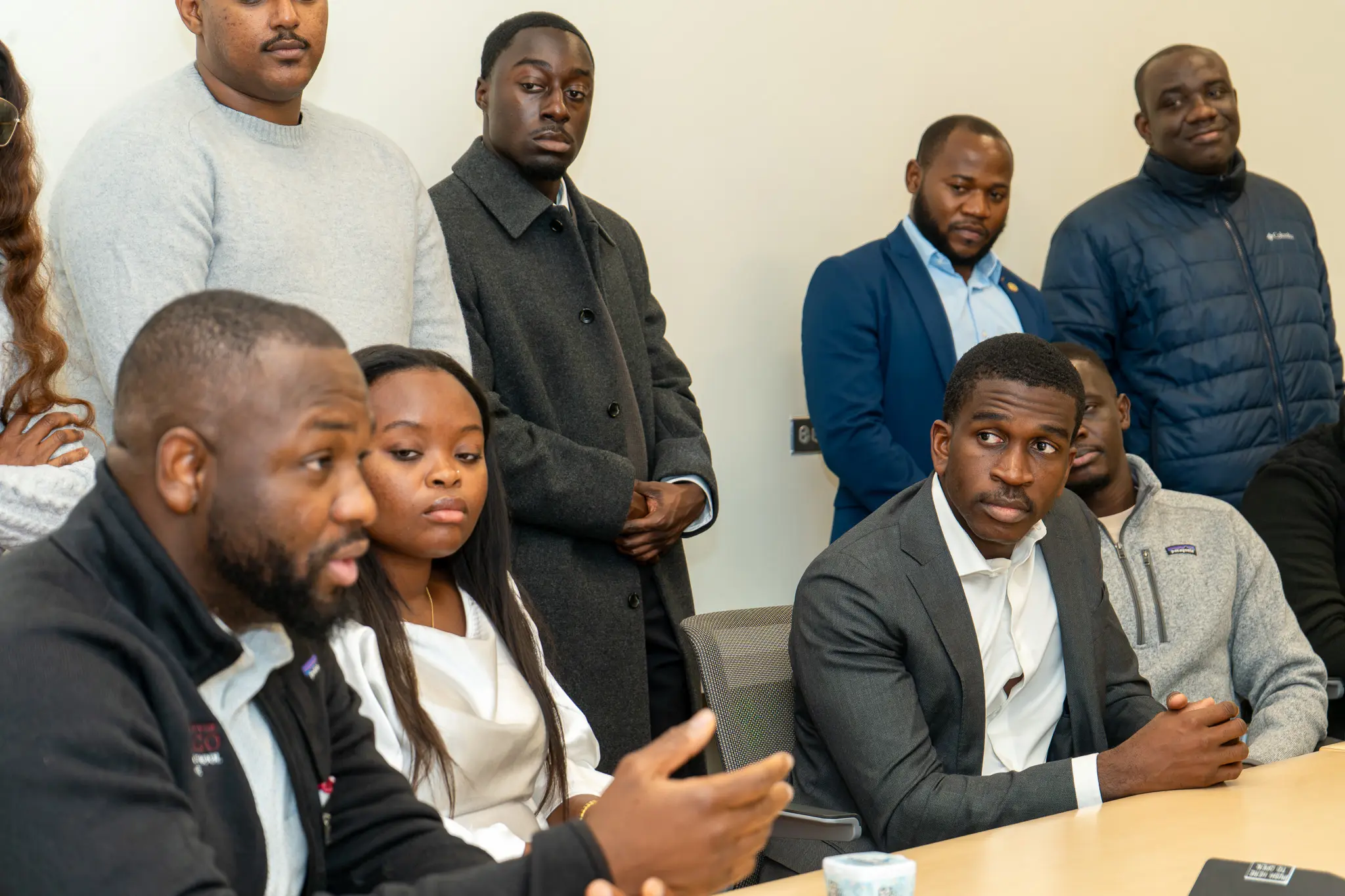
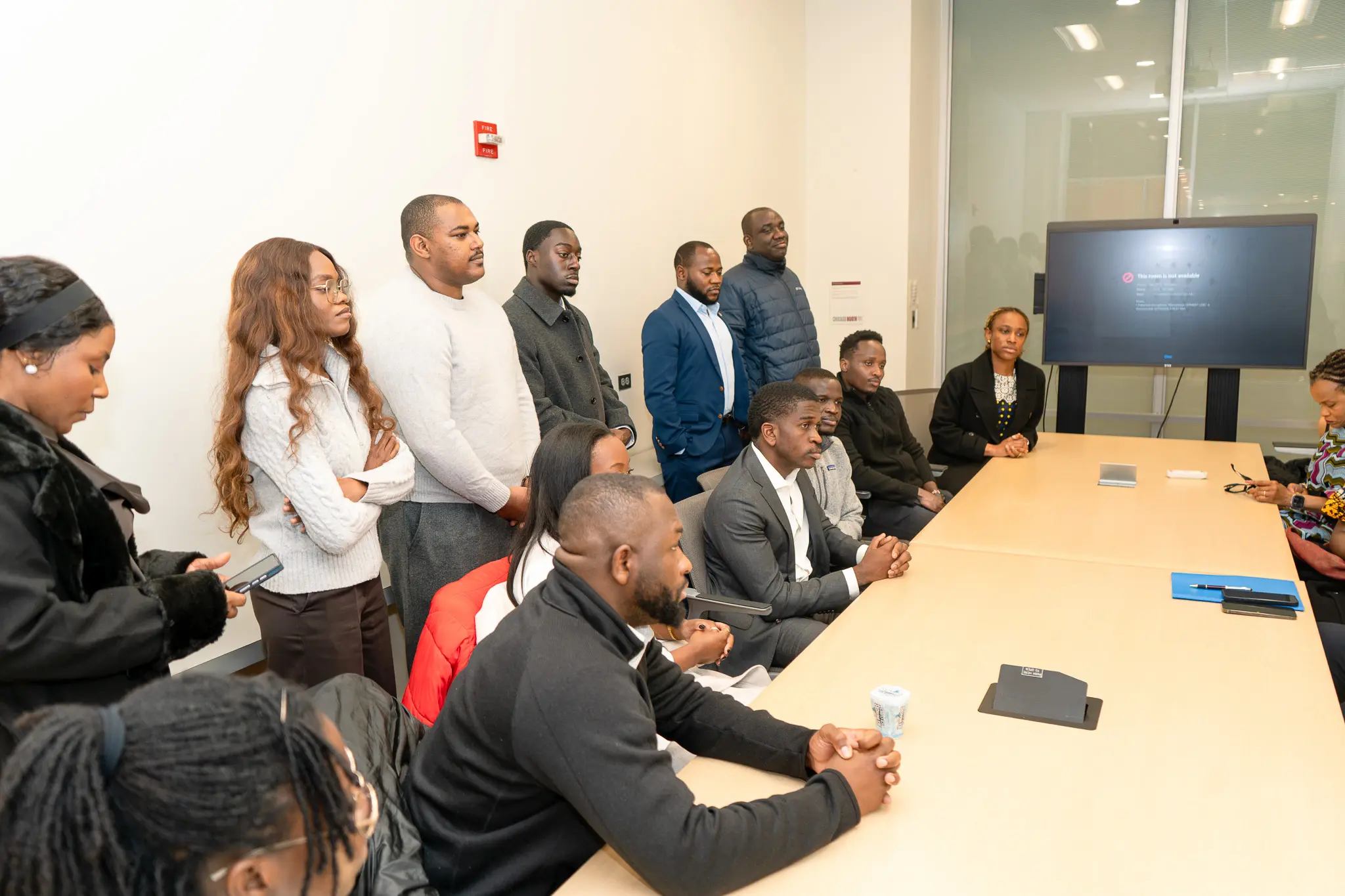
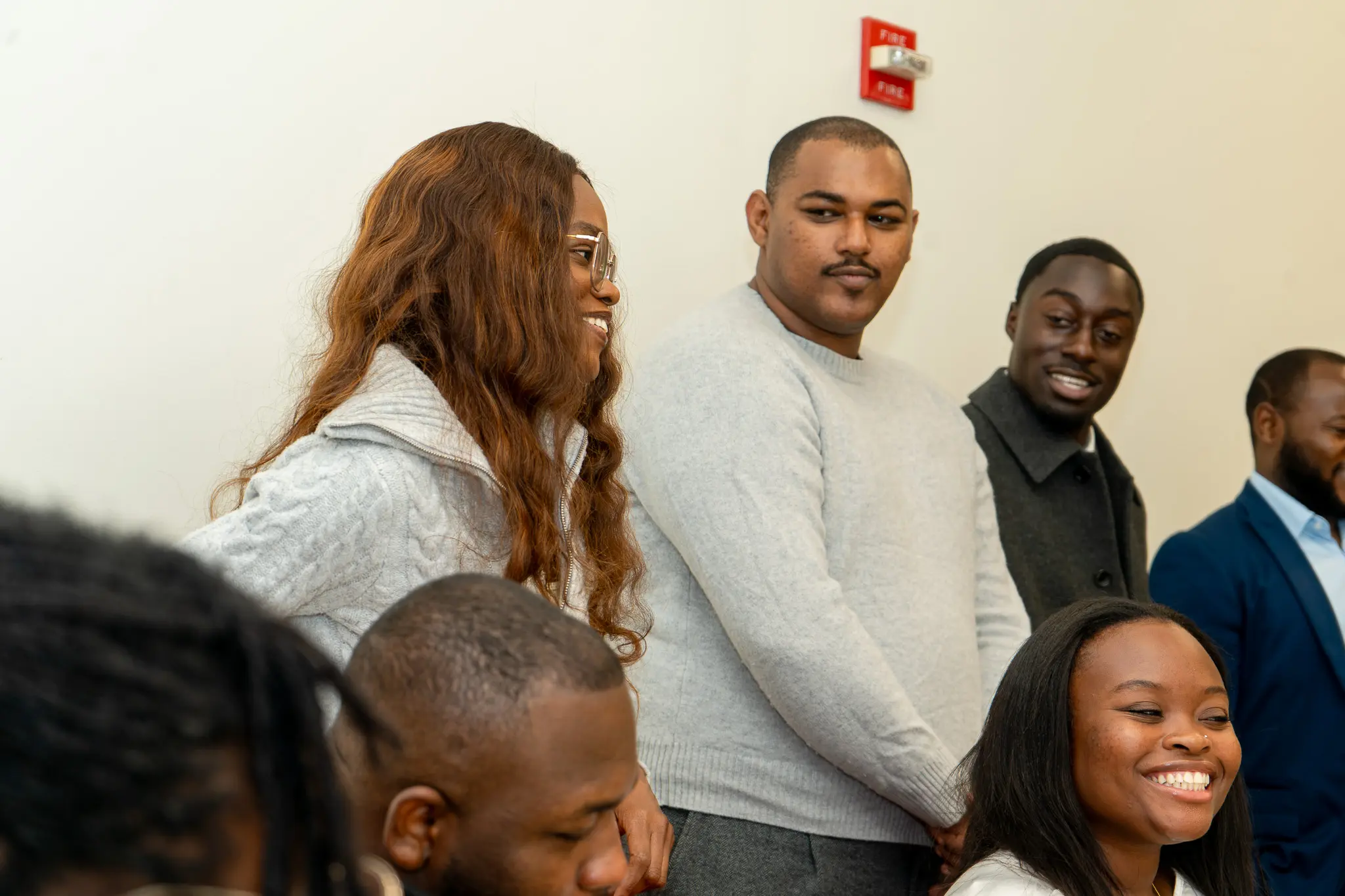
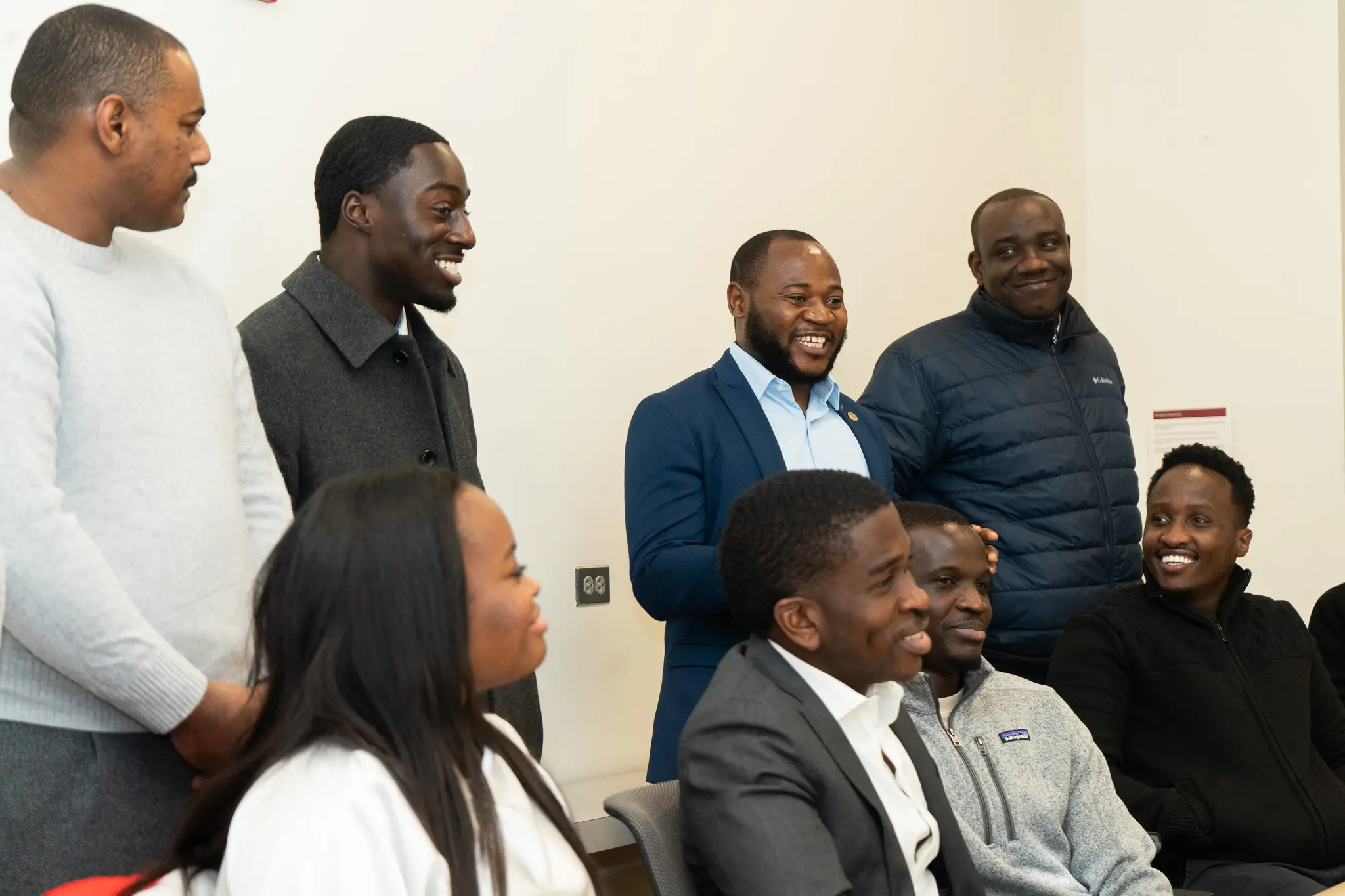
Around the table sat representatives of Ethiopia, Nigeria, Kenya, Tanzania, and the historic African-American diaspora. Entrepreneurs, investors, consultants, students, educators, and community leaders had assembled around a common agenda.
In that instant, a meeting intended for one country revealed itself as something larger.
A Pan-African strategy table had emerged in the heart of Chicago.
Chicago’s Builders Answer the Call
The strength of the conversation was reinforced by an extraordinary mix of civic, institutional, and cultural leadership.
Former Illinois State Representative Rev. Coy Pugh, whose public service spans more than three decades, framed investment in Africa as an act of generational self-interest rather than charity.Pugh champions trade missions and strategic business exchanges capable of linking American institutions and corporations with emerging opportunities across Africa. His message reflected a growing consensus throughout the room: the era of symbolic engagement is over; the era of structured economic partnership has begun.
That challenge was amplified by Nana Aba Bentuma I, whose remarks provided the moral center of the discussion. Enstooled in Cape Coast and known in Chicago as a longtime educator, entrepreneur, and Pan-African leader, she delivered a statement that resonated throughout the room:
“Africa does not need a missionary mentality.”
Whether discussing multinational corporations such as McDonald’s, Google, and Hyatt or grassroots institutions in Ghana, she called on the diaspora to replace handouts with ownership, dependency with sovereignty, and charity with justice.
Her message was not simply economic.
It was philosophical.
Africa’s future, she argued, must be built through partnership among equals.
Further reinforcing this vision were representatives from the Office of HBCU Development and International Cooperation, who highlighted the immense untapped capacity housed within Historically Black Colleges and Universities. Across hundreds of campuses are researchers, healthcare professionals, entrepreneurs, students, and alumni eager to engage the continent. The challenge is not interest. The challenge is creating pipelines that transform intention into sustained investment and collaboration.
To address that gap, participants proposed establishing a permanent Chicago-based liaison office capable of serving as a Midwest hub connecting institutions, investors, and diaspora communities directly to opportunities in Ghana and across Africa.
The Next Generation Takes Its Seat
The conversation’s most compelling element may have been the students themselves.
Representing the next generation of African leadership were four second-year MBA candidates from the University of Chicago Booth School of Business whose experiences already span global finance, consulting, development, and public policy.
Led by Inabang Okon, Nigerian-American Co-President of Booth Africa, the students challenged Ambassador Smith to explain how governments and private-sector actors can move beyond aspiration and generate measurable impact.
Adonia, originally from Ethiopia and trained in both sociology and data-driven analysis at the University of Chicago, explored the intersection of diplomacy, development, and business leadership.
Victor, a Kenyan student focused on business analytics and economics, spoke from the perspective of someone preparing to return to the continent to build institutions firsthand.
Daniel, whose work spans consulting and development finance in East Africa, posed perhaps the most consequential question of the afternoon:
How can public institutions and private capital work together to create transformational change at scale?
It is increasingly the defining question of Africa’s future.
Not whether development should occur.
Not whether investment should flow.
But how trust, institutions, and capital can be aligned to produce enduring results.
A Continent Ready to Build
By the end of the session, the atmosphere in Hyde Park felt less like a diplomatic engagement and more like a strategic workshop for the future of Africa.
What emerged was a powerful lesson.
When the conversation centers on ownership rather than dependency, when institutions create pathways instead of barriers, and when execution replaces rhetoric, the African world responds.
From Ghana and Nigeria to Kenya, Ethiopia, Tanzania, and the African-American diaspora, the message resonated across borders.
The gathering demonstrated that Africa’s greatest resource may no longer be its minerals, markets, or geography.
It may be its people, connected across continents yet increasingly united by a common determination to build.
Not to be helped.
Not to be managed.
Not to be spoken for.
To build.