


Sankofaonline News Desk | November 17,2026
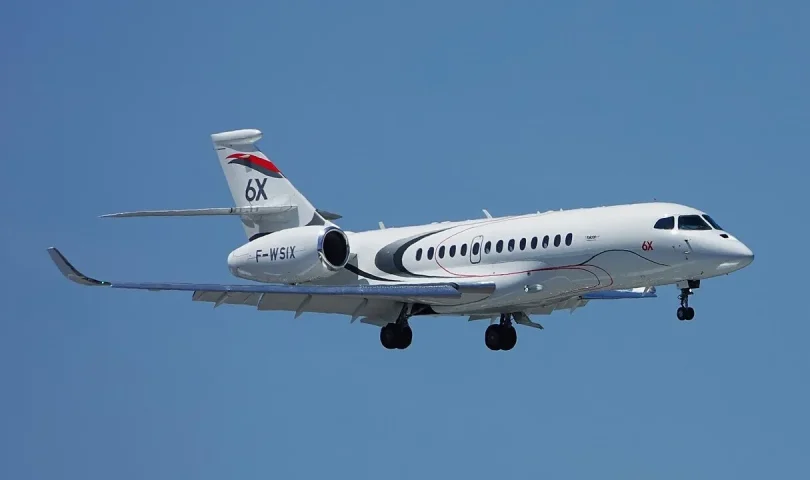
ACCRA, Ghana — The arrival of Ghana’s new Dassault Falcon 6X executive jet in Accra has reignited debate across the political landscape. Following confirmation by Minister for Government Communications, Felix Kwakye Ofosu, that the Ghana Air Force had officially taken delivery of the aircraft, some opposition voices quickly accused the Mahama administration of hypocrisy, citing past criticism of presidential travel under former President Nana Addo Dankwa Akufo-Addo for not using the older jet.
However, a closer examination of the parliamentary record, aviation safety concerns, and the procurement process presents a different picture, one centered on national security, operational efficiency, and long-term value for the Republic, rather than political double standards.
The acquisition of the Falcon 6X was not initiated as a luxury purchase for the Presidency. It emerged from recommendations by the Ghana Air Force and the Ministry of Defence following years of concerns about the condition of Ghana’s existing presidential aircraft.
For years, the nation relied on a Dassault Falcon 900EX that had become increasingly expensive to maintain. Aviation engineers reportedly identified recurring technical challenges, including fuel system concerns and other maintenance issues that periodically grounded the aircraft and raised questions about reliability and safety. As operating costs continued to rise, the need for a replacement became more difficult to ignore.
Following assessments by the military and defence authorities, the Ministry of Defence presented the acquisition proposal to Parliament, where it was considered and approved as part of a broader effort to modernize the Ghana Air Force fleet. The Falcon 6X was subsequently manufactured by Dassault Aviation and underwent extensive testing before being delivered to Ghana.
Much of the current political debate overlooks three important distinctions.
First, there is a significant difference between owning a permanent national asset and repeatedly spending public funds on private jet charters. Critics of the previous administration largely questioned the use of expensive chartered aircraft for official travel, expenditures that provided no lasting asset to the state. The Falcon 6X, by contrast, is owned by Ghana, operated by the Ghana Air Force, and will remain a national asset for years to come.
Second, the aircraft offers substantially improved operational efficiency. The Falcon 6X possesses long-range capability that reduces the need for frequent refueling stops during intercontinental travel. This not only improves convenience but may also lower operational costs associated with lengthy diplomatic missions and international engagements.
Third, the acquisition followed parliamentary approval rather than a concealed executive arrangement. The proposal was publicly presented, debated, and approved through the constitutional processes of the Republic, providing a level of transparency that should be acknowledged regardless of political affiliation.
None of this suggests that public scrutiny should cease. Ghanaians have every right to demand accountability for every cedi spent, particularly during periods of economic difficulty. Vigilance over public expenditure remains essential to good governance.
However, there is an important distinction between questioning the expenditure of millions on temporary luxury travel arrangements and investing in a permanent state asset recommended by military and defence professionals. Conflating the two risks oversimplifying a complex issue and obscuring the legitimate rationale behind the acquisition.
Now that the Falcon 6X has entered service with the Ghana Air Force, the focus should shift from political point-scoring to responsible stewardship. The real measure of success will depend on disciplined maintenance, transparent operational management, and ensuring that the aircraft serves the Republic of Ghana safely, efficiently, and economically for decades to come.
