
By Daniel Nii Okine
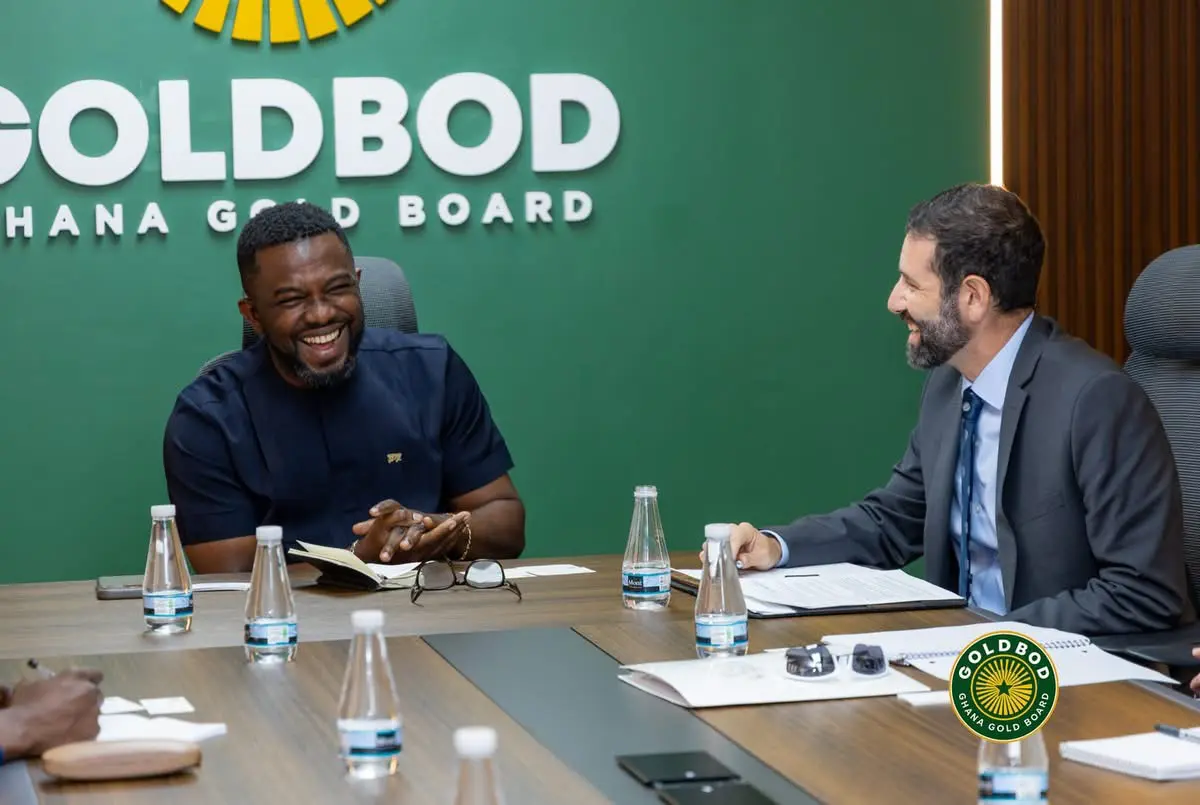
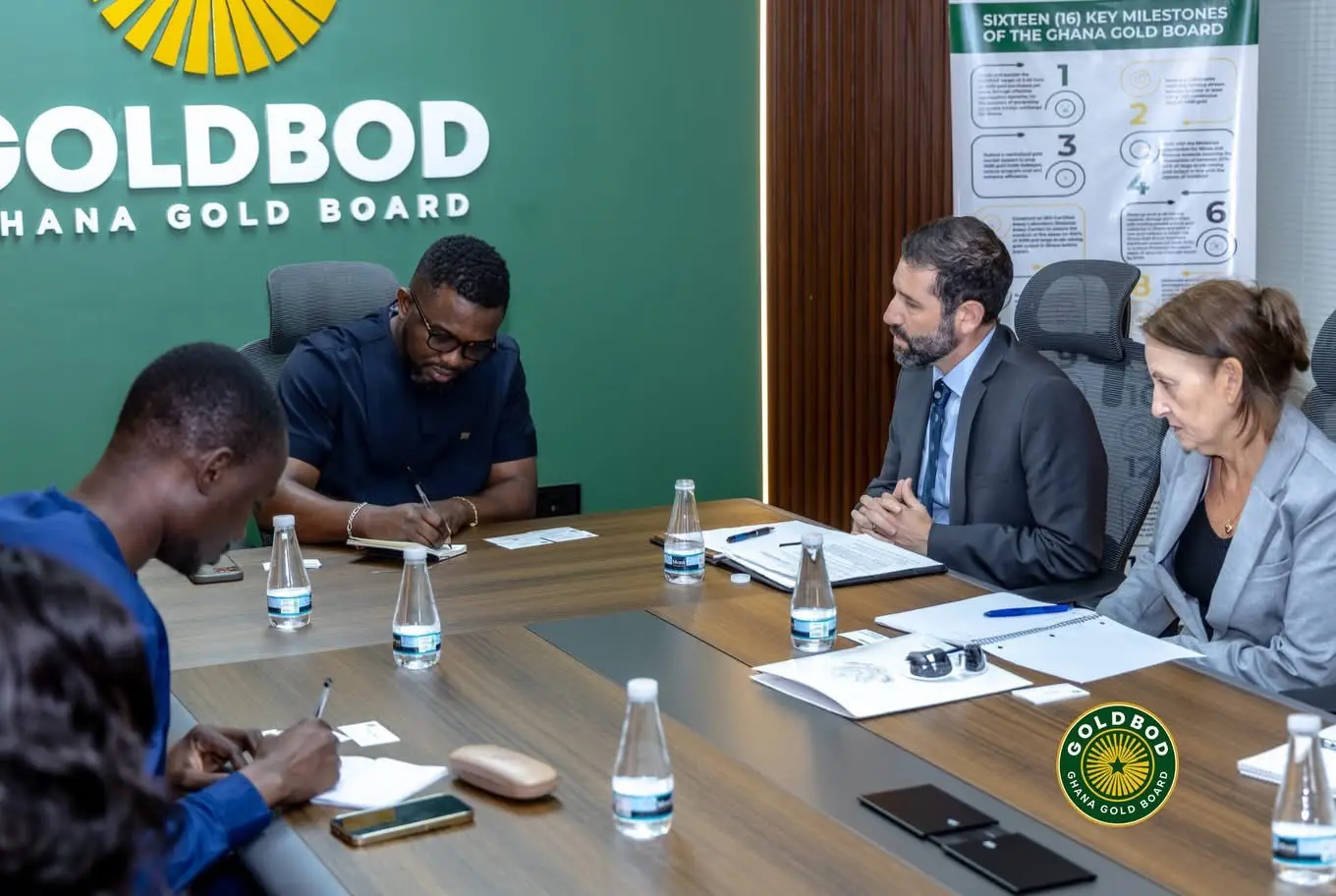
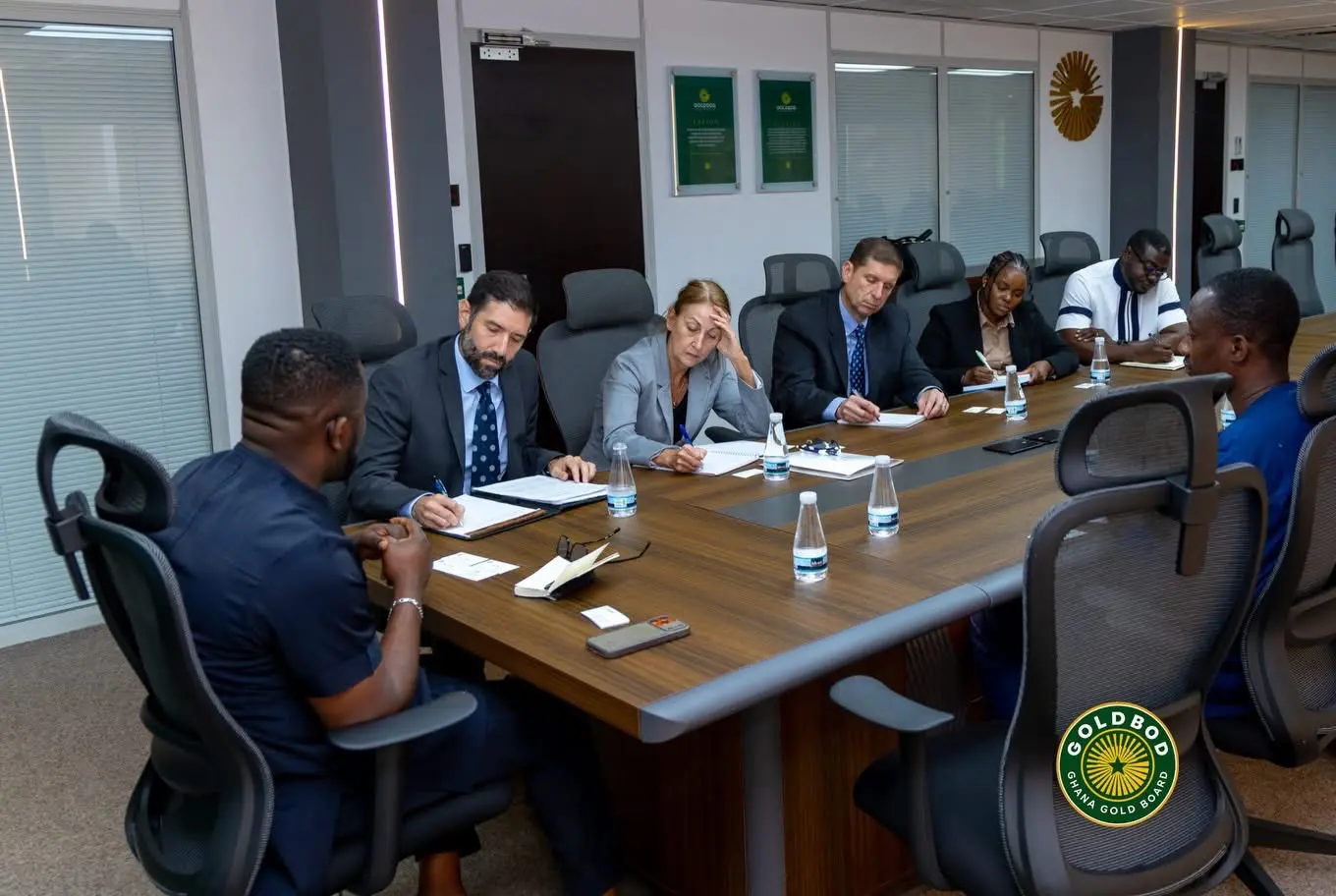
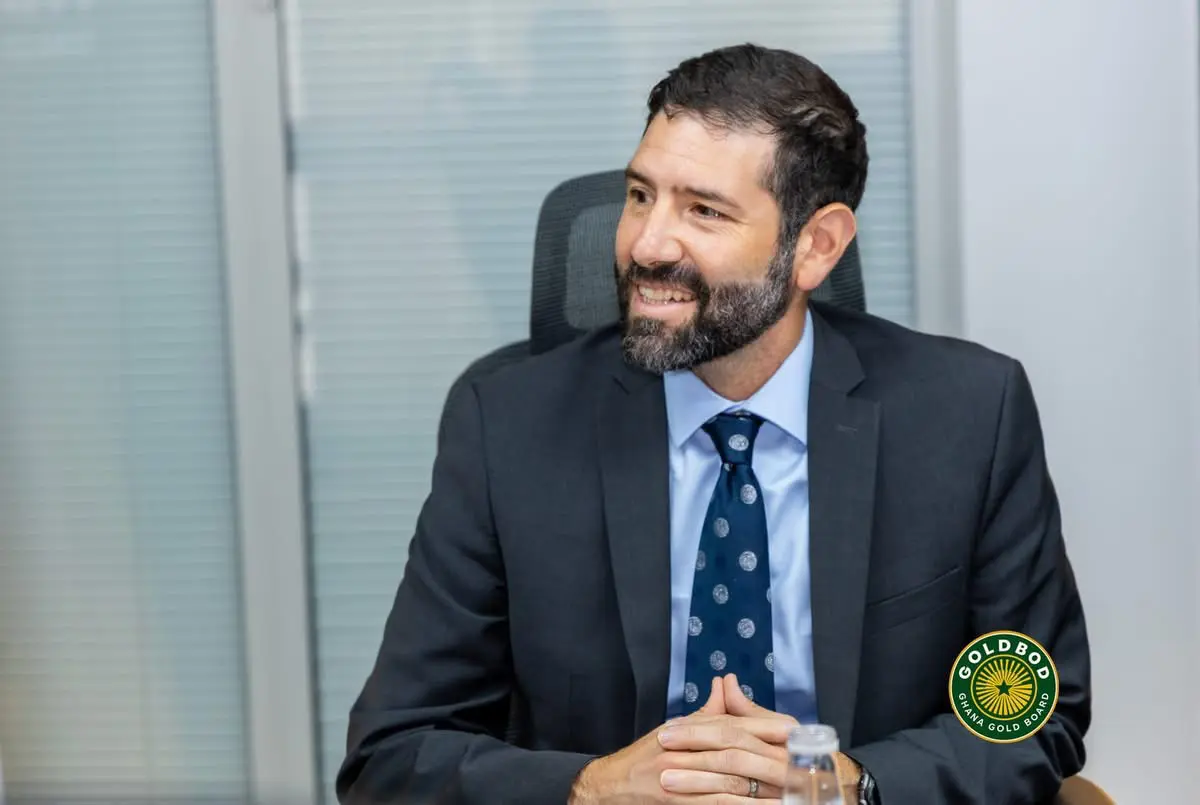
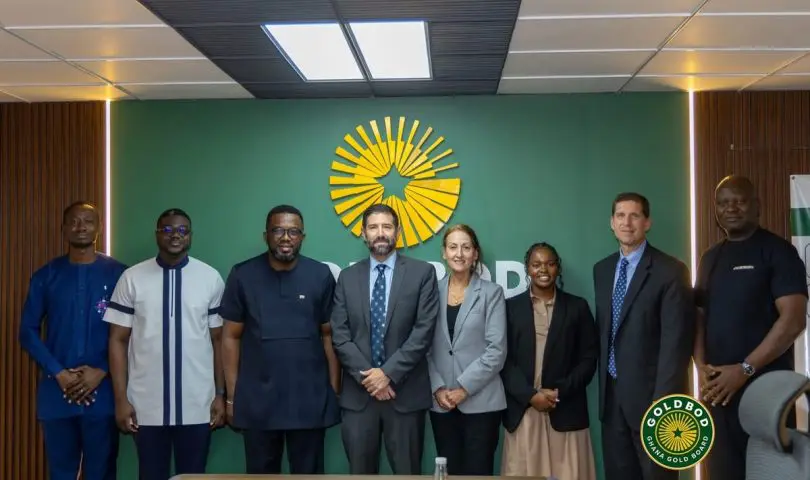
A high level delegation from the United States Department of Treasury, accompanied by officials from the Economic Section of the U.S. Embassy in Accra, visited the Ghana Gold Board on Friday, 18 September 2026, in what industry observers describe as a significant geopolitical and economic moment for Ghana’s mineral sector.
The visit, though officially framed as a technical engagement, carries deeper implications for global gold governance, supply chain integrity, and Ghana’s evolving role in the international minerals economy.
The delegation was received by the Deputy Chief Executive Officer of the Ghana Gold Board, Richard Nunekpeku, Esq., together with the Director of Responsible Mining, Prof. Ishmael Quaicoe, and the Deputy Director of Mining Operations, James German.
Their presence underscored the institution’s growing importance as Ghana attempts to reposition itself from a raw gold exporter to a refined gold powerhouse with stronger regulatory oversight.
For the United States, Ghana’s gold sector is no longer just a mining story. It is a strategic frontier. With global concerns about illicit financial flows, opaque mineral supply chains, and the geopolitical weaponization of critical minerals, Washington’s interest in Ghana’s reforms is both economic and security driven.
The Deputy CEO provided the delegation with a detailed briefing on the Ghana Gold Board Act, 2025 (Act 1140), the legislation that restructured Ghana’s gold governance architecture. He outlined GoldBod’s mandate to regulate, coordinate, and modernize the gold value chain, and emphasized the institution’s central role in implementing the Ghana Accelerated National Reserve Accumulation Programme, GANRAP. The programme aims to use Ghana’s gold resources to strengthen national reserves, reduce vulnerability to external shocks, and build long term macroeconomic resilience.
But the analytical weight of the meeting lay in the specifics.
Mr. Nunekpeku highlighted a suite of reforms that, taken together, represent one of the most ambitious gold sector overhauls in Ghana’s history. These include the promotion of local gold refining to reduce dependence on foreign refineries, the reform of the national assay regime to ensure scientific accuracy and eliminate long standing credibility gaps, and the development of nationwide gold traceability systems capable of tracking gold from extraction to export.
Traceability, in particular, is a global priority. With rising concerns about conflict minerals, money laundering, and illegal mining networks, the ability to verify the origin and movement of gold is now a non negotiable requirement for international markets. The U.S. Treasury delegation’s interest in this area signals Washington’s desire to align Ghana’s reforms with global compliance standards.
The Deputy CEO also outlined initiatives to provide bankable geological assessments, formalise the artisanal and small scale mining sector, and reclaim degraded forest landscapes. These interventions are not merely environmental or technical. They are economic stabilizers. Formalisation reduces illegal mining, improves revenue collection, and enhances community safety. Geological assessments reduce investor risk. Reclamation restores ecological balance and protects rural livelihoods.
For Ghana, these reforms are about sovereignty, credibility, and value addition. For the United States, they are about stability, transparency, and the integrity of global mineral supply chains.
The U.S. delegation’s visit therefore represents more than diplomatic courtesy. It is a strategic endorsement of Ghana’s reform agenda and a recognition of the country’s emerging leadership in responsible gold governance. It also signals that Ghana’s gold sector is increasingly viewed as a critical node in global economic and security frameworks.
The meeting concluded with both sides expressing commitment to deeper collaboration, technical support, and sustained dialogue. As Ghana pushes forward with its gold sector transformation, the involvement of partners like the United States will shape not only the future of Ghana’s mineral economy, but also the global conversation on responsible mining, transparency, and mineral sovereignty.