
By Daniel Nii Okine
The interdiction of seven police officers in Accra over an alleged extortion scheme is not just another disciplinary notice tucked inside the bureaucracy of the Ghana Police Service. It is a stark reminder of how quickly public trust can be shattered when those empowered to protect citizens allegedly weaponize their authority for personal gain.
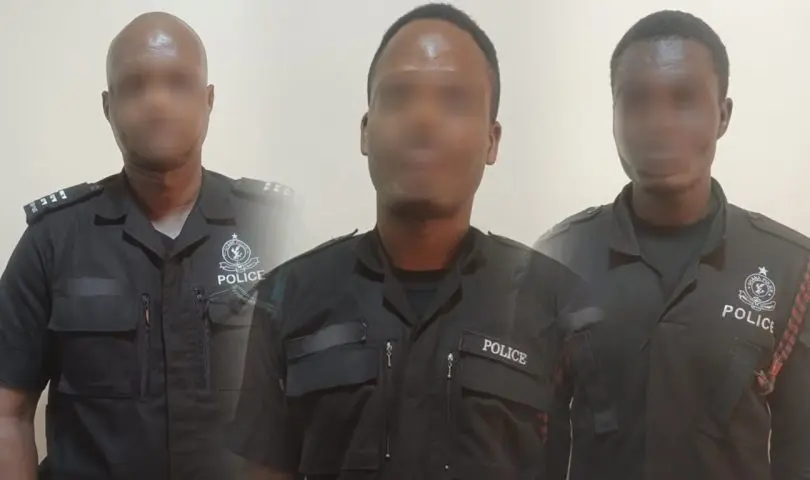
According to the official release, the officers , Inspector Courage Boateng, General Sergeant Stephen Addo, General Corporal Moses Anyravi, General Corporal Prosper Adiabo, General Lance Corporal Samuel Anokye, General Constable Henrietta Coleman, and General Constable Bernard Amoako , are accused of demanding money from a civilian and forcing him to withdraw cash from an ATM. The allegation is not only brazen, it is corrosive. It strikes at the very foundation of policing, where authority is supposed to serve justice, not prey on vulnerability.
The Police Service’s decision to interdict the officers is a necessary first step, but it is also an indictment of internal culture. When a patrol team allegedly operates like an extortion ring, the question is no longer about individual misconduct , it is about systemic failure. What supervision existed? What ethical standards were reinforced? What signals were missed? These are uncomfortable questions, but they are unavoidable.
The Police Professional Standards Bureau now carries the burden of proving that oversight in Ghana is more than a slogan. The investigation must be uncompromising, transparent, and immune to internal pressure. Anything less would confirm public fears that accountability within the Service is selective and cosmetic.
Police oversight
This case also exposes a deeper cultural fracture. Patrol officers are often the most visible representatives of state authority. When they allegedly turn routine duty into an opportunity for extortion, it feeds a dangerous narrative , that the uniform is no longer a symbol of protection but a warning sign. Ghana cannot afford that erosion of confidence, especially at a time when security institutions are under intense public scrutiny.
Deputy Superintendent Richmond Mensah’s assurance that the matter will be thoroughly investigated is welcome, but assurances alone do not rebuild trust. Only decisive action, clear findings, and meaningful consequences can do that. If the allegations are confirmed, sanctions must be swift and severe. If they are disproven, the officers must be cleared without ambiguity. The public deserves clarity, not opacity.
This interdiction is therefore more than an administrative pause. It is a test of institutional integrity. It is a measure of whether the Ghana Police Service is willing to confront misconduct head‑on or merely manage its optics. And it is a reminder that the legitimacy of any security institution rests not on its uniforms or its vehicles, but on its conduct.