


Op‑ed By Daniel Nii Okine
Ghana stands at a crossroads, and this time the crossroads is not on land. It is on water. For decades, we have allowed our coastline to remain a passive spectator in our national development story. We have admired it, photographed it, complained about its erosion, and then walked away. Today, the Government of Ghana has finally placed a bold marker on the table, and it is time for the nation to respond with equal boldness.
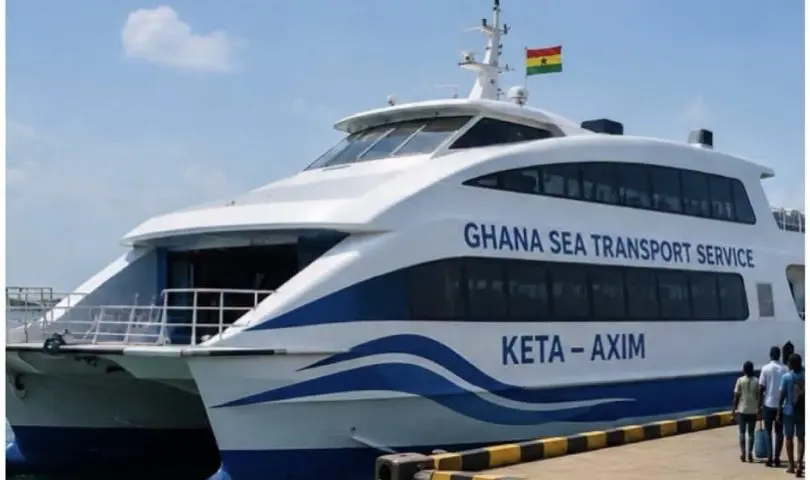
The Ministry of Transport has commissioned Vision Consult, working with KPMG, to conduct a six month feasibility study on a proposed coastal water transport service linking Keta to Axim. This is not a routine bureaucratic exercise. It is a historic pivot. It is the first serious attempt to treat our coastline as an economic engine rather than a scenic boundary.
Ghana must not underestimate the significance of this moment. A coastal water transport system is not a luxury. It is a necessity. Our roads are choked, our intercity travel is exhausting, and our coastal communities remain disconnected from each other and from national opportunity. We have a natural highway stretching over 500 kilometres, yet we have behaved as if it does not exist. This study is the first step toward correcting that national oversight.
The proposed Keta to Axim route is more than a transportation idea. It is a national development strategy. It promises faster movement of people and goods, reduced pressure on road networks, expanded tourism corridors, revitalized coastal commerce, and a new wave of economic activity for communities that have long been left behind. It is a chance to knit the Volta and Western Regions into a single coastal economy, one that can generate jobs, investment and innovation.
Vision Consult and KPMG bring credibility to this effort. Their mandate is clear, assess the technical, economic and operational viability of the route and present findings that can guide government decision making. This is how serious nations build infrastructure, through evidence, analysis and strategic planning. If their study confirms viability, Ghana will have no excuse to delay implementation. The coastline has waited long enough.
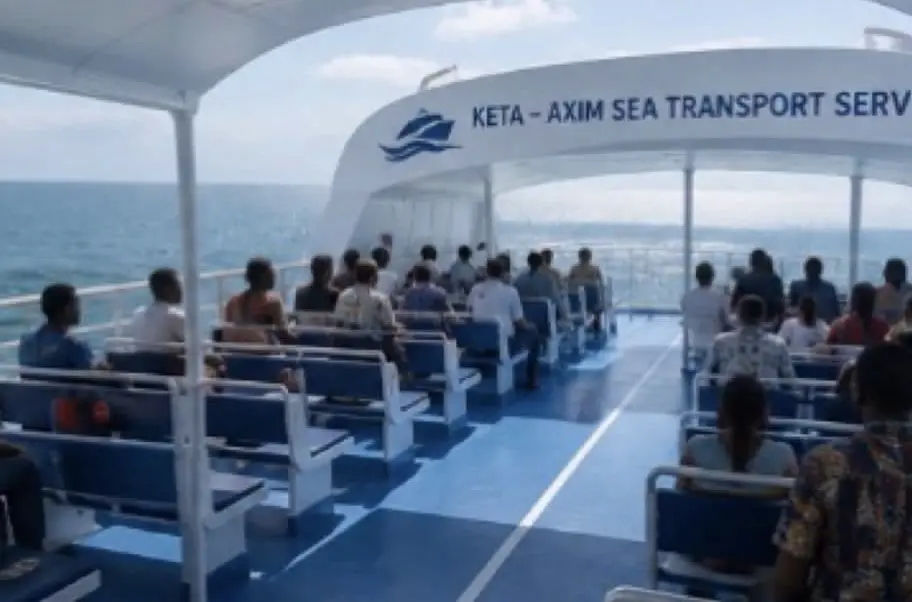
Imagine boarding a vessel in Keta and arriving in Axim without battling traffic, potholes or endless detours. Imagine tourists exploring Ghana’s coastal towns with ease. Imagine fishermen, traders and entrepreneurs benefiting from faster, safer and more efficient movement. Imagine a coastline that finally works for its people.
This is the kind of bold thinking Ghana needs. It is the kind of initiative that signals a government willing to innovate, diversify and expand national connectivity. But bold thinking must be matched with bold public support. This project is not regional. It is national. It deserves bipartisan backing, civic enthusiasm and sustained public pressure to ensure it does not die in a drawer.
Ghana must not sleep on this opportunity. The feasibility study is only the beginning. The real test will come when the findings are submitted. Will we act, or will we retreat into the comfort of old habits and familiar excuses?
The coastline is calling. It is demanding relevance. It is demanding investment. It is demanding vision. Ghana must answer.

I won’t be surprised if the NPP comes out strongly against this sterling project to develop water transportation in Ghana.
Ghanaians are watching what their response will be.
I hope this time they will show patriotism and love for Ghana by wholeheartedly embracing the project. Long live Ghana and death to the enemies of Ghana.