
SankofaOnline Editorial Desk – April 3 ,2026
For more than six decades, Ghana has carried a quiet but profound responsibility: to stand as the spiritual homeland of the African world. From the moment Kwame Nkrumah raised the Black Star in 1957, Ghana declared itself not only free, but committed to the liberation and restoration of all African people, those on the continent and others scattered across the globe by the brutal machinery of slavery.
Today, as global conversations about reparations intensify and thousands of African‑descent seek reconnection with the continent, it is worth asking: How did Ghana get here? And where must we go next?
The answer is neither simple nor accidental. It is a story of vision, hesitation, courage, and unfinished work.
Nkrumah Planted the Seed
Kwame Nkrumah understood that the African diaspora was not a distant cousin, it was family torn away. His invitation to W.E.B. Du Bois and other African‑American intellectuals was not symbolic; it was a declaration that Ghana would be a home for all Africans, regardless of geography.
But Nkrumah’s era was consumed by continental liberation struggles. Reparations, as a structured global demand, had not yet matured. His contribution was philosophical: Africa must unite, reclaim dignity, and welcome its lost children home.
Rawlings Built the Foundation
Jerry John Rawlings did not lead a formal reparations campaign, but he did something equally consequential: he prepared the national soul for the return of the diaspora.
Under his leadership:
- Ghana restored and elevated Cape Coast and Elmina Castles as global sites of memory.
- PANAFEST was launched in 1992, creating a cultural bridge between Africa and its diaspora.
- Emancipation Day became a national observance.
- And in 2000, Ghana passed the Right of Abode Law, giving people of African descent the legal right to live permanently in the land of their ancestors.
Rawlings’ legacy is often misunderstood. He may not have marched under a “reparations” banner, but he built the emotional, cultural, and legal infrastructure that made today’s diaspora renaissance possible.
Kufuor, Mills, Mahama — The Quiet Builders
Successive administrations deepened the work:
- President Kufuor’s era saw the rise of the Joseph Project, a spiritual call for homecoming.
- President Mills strengthened Ghana’s role in AU discussions on reparations and historical justice.
- President Mahama institutionalized diaspora engagement through the Diaspora Affairs Office at the Presidency.
Akufo‑Addo’s Bold Leap: Year of Return
Then came 2019.
President Nana Addo Dankwa Akufo‑Addo’s Year of Return electrified the world. For the first time, Ghana transformed historical memory into a national strategy, one that blended tourism, healing, investment, and identity.
Millions visited. Thousands returned. Hundreds received citizenship. And Ghana became the epicenter of a global conversation about belonging, justice, and the unfinished business of slavery.
The follow‑up initiative, Beyond the Return, turned symbolism into structure, a 10‑year plan for diaspora integration, investment, and cultural renewal.
But Mahama did something even more consequential—something that placed Ghana at the center of global reparative justice.
Mahama’s Historic Moment at the United Nations
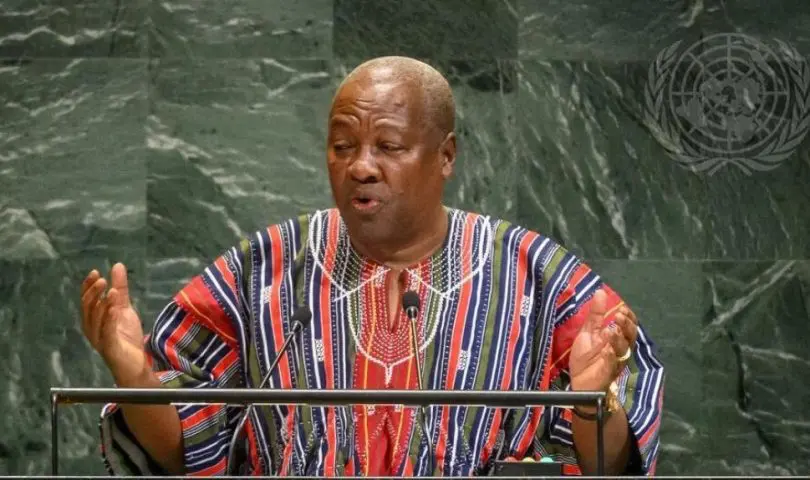
Under President John Dramani Mahama, Ghana helped champion and secure the passage of a landmark United Nations resolution calling for reparatory justice for people of African descent.
This was not a symbolic gesture. It was a diplomatic earthquake.
Mahama’s leadership:
- Elevated reparations from a continental debate to a global human rights issue.
- Positioned Ghana as a moral voice in the international community.
- Affirmed that the wounds of slavery and colonialism require not only remembrance, but restorative action.
- Strengthened the mandate of the UN’s mechanisms addressing the legacies of enslavement and systemic racism.
For the first time, Ghana was not just welcoming the diaspora home—it was demanding that the world acknowledge the historical crimes that made the diaspora necessary in the first place.
This achievement remains one of the most significant diplomatic contributions to the global reparations movement in the 21st century.
These were not headline‑grabbing initiatives, but they were essential steps in shaping Ghana as a global African homeland.
Reparations: The Unfinished Chapter
Here is the truth: Ghana has not yet launched a national reparations program. But Ghana has done something equally powerful, it has offered restorative pathways:
- Citizenship
- Right of Abode
- Cultural reconnection
- Economic opportunity
- A homeland that acknowledges the wound and welcomes the wounded
Reparations are not only financial. They are spiritual, cultural, and political. Ghana has embraced these dimensions, even as the global fight for financial reparations continues through the AU, CARICOM, and UN platforms, platforms strengthened by Mahama’s diplomatic work.
Where Ghana Must Go Next
If Ghana is to lead the world in reparative justice, three steps are essential:
- Pass the Homeland Return Act
This long‑discussed bill must become law. It will give diaspora Africans a clear, dignified, and predictable path to citizenship and settlement.
- Establish a National Reparations Commission
Not to demand money alone, but to articulate Ghana’s moral position, document historical harms, and coordinate with global partners.
- Protect Diaspora Returnees from Exploitation
Land scams, bureaucratic hurdles, and inconsistent policies undermine Ghana’s credibility. A homeland must be safe, transparent, and just.
A Call to Courage
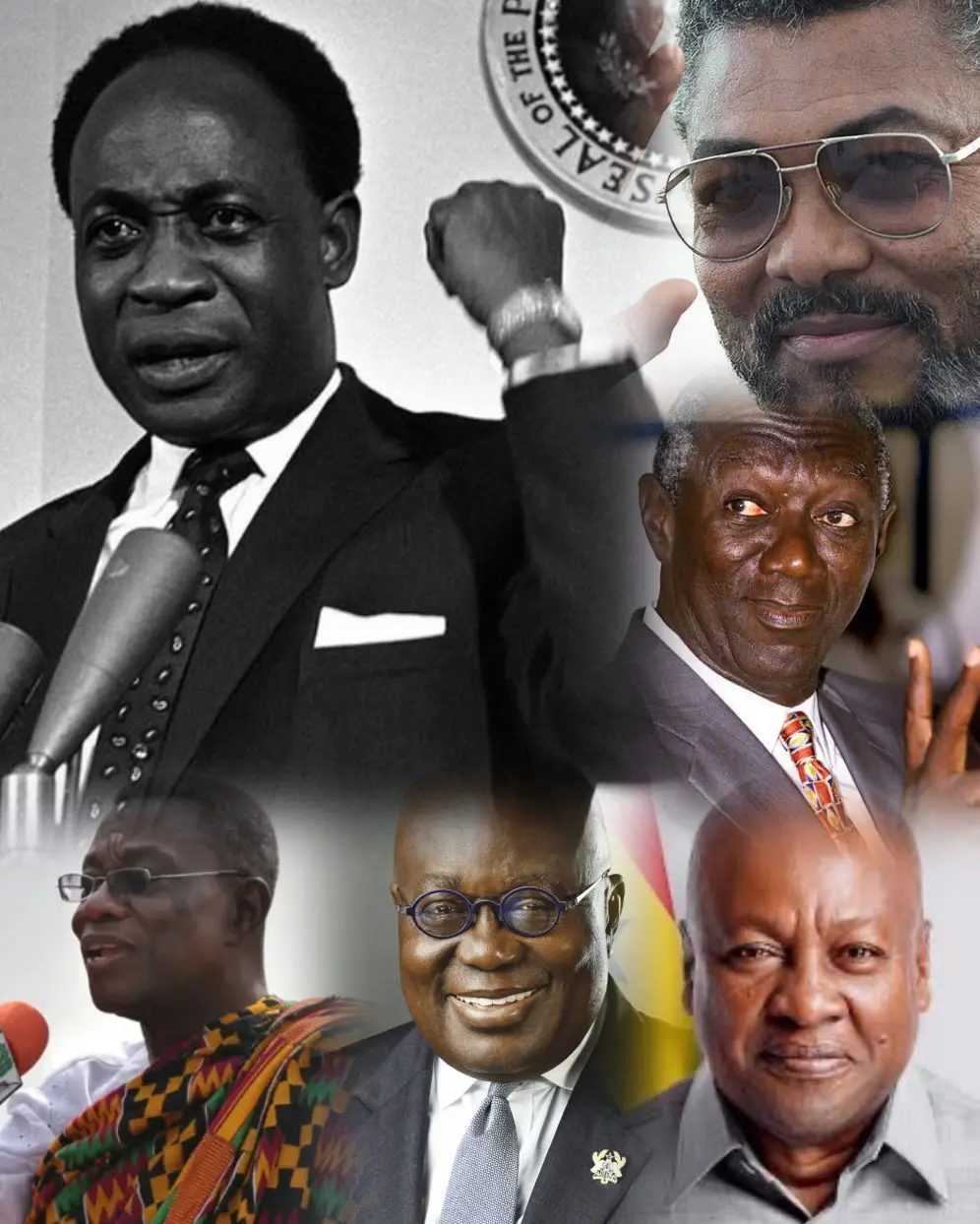
Ghana has walked a long road, from Nkrumah’s Pan‑African dream to Rawlings’ cultural revival, from Kufuor’s spiritual call , Mills’ quiet stewardship to Akufo‑Addo’s global homecoming and finally Mahama’s diplomatic breakthrough at the United Nations.
But the journey is not complete.
The world is watching. The diaspora is knocking. And history is asking whether Ghana will once again rise to the moment.
Reparations are not merely about the past. They are about the future we dare to build.
Ghana must lead, not with timidity, but with the boldness that has always defined the Black Star.