
By Daniel Nii Okine & Mama Sedudzi ( Empress Mawusi ) – Accra
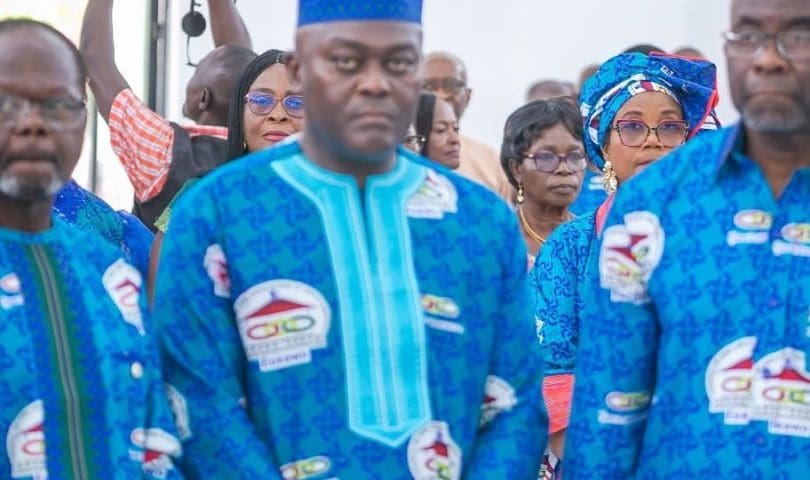
Barely twenty‑four hours after the colorful launch of the CEANA 2026 Convention at the University of Health and Allied Sciences (UHAS) in Ho, the leadership of the Council of Ewe Associations of North America (CEANA) has demonstrated that their promises were not ceremonial rhetoric but a working agenda already in motion.
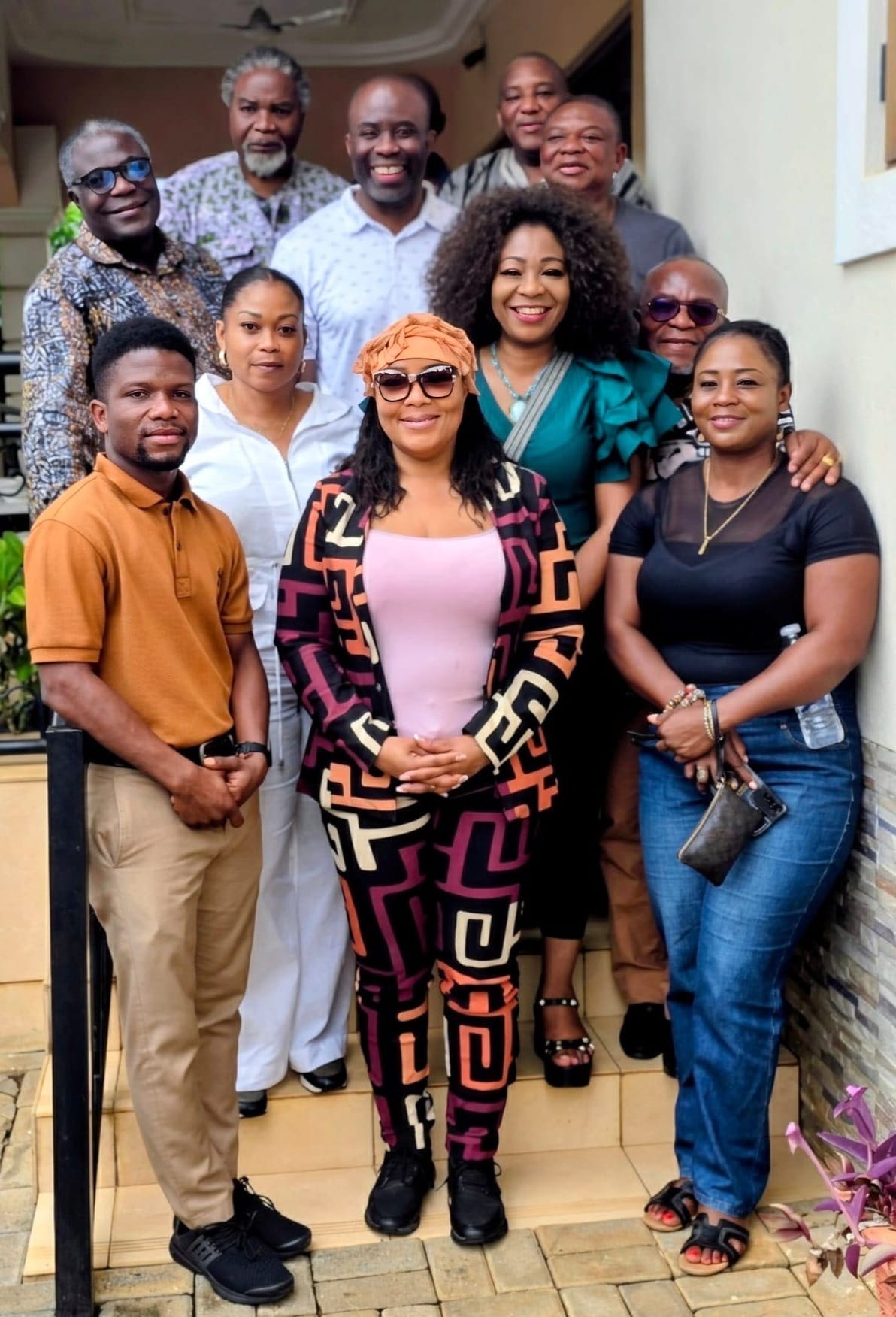
On March 29, 2026, a high‑level CEANA delegation led by President William Kumah and Vice President Akpene Abotsi‑Ametepi paid a courtesy call on one of Ghana’s most respected public health experts, Dr. Koku Awoonor‑Williams, to advance discussions on CEANA’s ambitious plan to establish a Cancer Research and Treatment Center on Eweland.
The visit comes on the heels of Saturday’s launch, where CEANA reaffirmed its commitment to development‑driven partnerships between the diaspora and the homeland. The proposed cancer center, one of the most transformative components of CEANA’s development vision, was highlighted prominently during the launch, drawing applause from traditional leaders, academics, and community members.
Sunday’s follow‑up meeting signaled that CEANA intends to move from vision to action without delay.
Dr. Awoonor‑Williams, a former Director of Policy, Planning, Monitoring and Evaluation at the Ghana Health Service and a leading architect of Ghana’s primary healthcare reforms, welcomed the delegation warmly. Known for his deep expertise in health systems strengthening and his decades‑long work improving healthcare delivery across the northern and Volta regions, Dr. Awoonor‑Williams is widely regarded as a strategic ally for any major health initiative in Ghana.
The discussions centered on the feasibility of establishing a world‑class cancer research and treatment facility in Eweland, an undertaking that would require strong partnerships, technical guidance, and sustainable funding. CEANA leadership emphasized that the diaspora is ready to mobilize resources, but the project must be anchored in local expertise and national health priorities.
Adding intellectual depth to the meeting was the presence of Professor Kofi Anyidoho, the distinguished poet, scholar, and former Director of the Institute of African Studies at the University of Ghana. Prof. Anyidoho, whose influence spans academia, culture, and community development, offered thoughtful perspectives on how such a center could serve not only as a medical facility but also as a symbol of diaspora‑homeland collaboration.
The engagement was described as constructive and forward‑looking, with all parties expressing optimism about the potential impact of the project. If realized, the cancer center would be one of the most significant health investments ever initiated by the Ewe diaspora, addressing a growing national burden and expanding access to specialized care.
The CEANA delegation’s swift movement from launch celebrations to strategic consultations underscores a leadership team determined to translate promises into measurable progress. As preparations intensify for the CEANA 2026 Convention in Bethesda, Maryland, this early action sets a strong tone for what the diaspora can achieve when vision is matched with commitment.
More updates are expected as CEANA continues to engage stakeholders and refine the roadmap toward making the cancer research and treatment center a reality.