
Sankofaonline Editorial News Desk
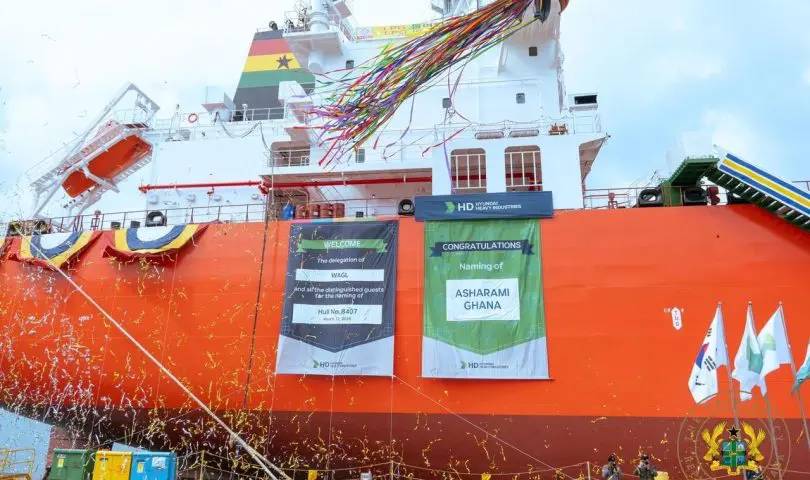
Ghana has taken a decisive step toward a cleaner, more secure energy future with the commissioning of the Sahara LPG Vessel by President John Dramani Mahama. This milestone is far more than a ceremonial event; it represents a strategic investment in Ghana’s long‑term energy stability, economic resilience, and environmental responsibility.
At a time when nations across the world are grappling with the dual challenge of expanding energy access while transitioning to cleaner fuels, Ghana’s move stands out as both timely and visionary. President Mahama’s remarks at the commissioning captured this reality clearly: the global energy landscape is shifting, and countries that fail to adapt risk being left behind. LPG,cleaner, safer, and more efficient than traditional biomass fuels,has emerged as a critical bridge in this transition.
The Sahara LPG Vessel strengthens Ghana’s position in this evolving energy environment. It enhances the country’s capacity to import or produce, store, and distribute liquefied petroleum gas reliably, reducing the vulnerabilities that come with supply disruptions and fluctuating global markets. For ordinary Ghanaians, this translates into something deeply practical: more stable LPG availability, fewer shortages, and a more dependable fuel source for homes, businesses, and industries.
But the benefits extend far beyond logistics. For decades, millions of households have relied on charcoal and firewood for cooking, methods that contribute to deforestation, indoor air pollution, and long‑term health risks. Increased LPG adoption offers a cleaner alternative that protects families, preserves the environment, and reduces the burden on Ghana’s forests. The commissioning of this vessel therefore supports not only energy security but also public health and environmental sustainability.
The economic implications are equally significant. A stronger LPG supply chain means more opportunities for local businesses, from distributors and retailers to transport operators and service providers. It also positions Ghana as a more reliable energy partner within the West African subregion, reinforcing the country’s role in regional trade and cooperation. President Mahama’s emphasis on the vessel’s regional impact underscores this broader vision: Ghana is not only securing its own future but contributing to the stability of its neighbors.
Perhaps most importantly, the Sahara LPG Vessel symbolizes the power of strategic partnerships. It reflects what can be achieved when government, private sector players, and international partners align around a shared goal. In an era where energy demands are rising and climate concerns are intensifying, such collaborations are not optional, they are essential.
As Ghana continues to expand access to cleaner energy solutions, the commissioning of this vessel stands as a reminder that progress is not accidental. It is built through deliberate choices, forward‑looking investments, and a commitment to improving the lives of citizens. The Sahara LPG Vessel is more than a ship; it is a promise, of cleaner homes, stronger communities, and a more resilient national energy system.
Ghana’s journey toward sustainable energy has many chapters ahead, but this moment marks a bold and meaningful step. And for the millions of Ghanaians who depend on LPG for daily living, it is a step that brings hope, stability, and a cleaner future within reach.