Help stop the pandemic by getting vaccinated
What we know
Studies show that COVID-19 vaccines are effective at keeping you from getting COVID-19. Getting a COVID-19 vaccine will also help keep you from getting seriously ill even if you do get COVID-19.
COVID-19 vaccination is an important tool to help us get back to normal. Learn more about the benefits of getting vaccinated.
COVID-19 vaccines teach our immune systems how to recognize and fight the virus that causes COVID-19. It typically takes two weeks after vaccination for the body to build protection (immunity) against the virus that causes COVID-19. That means it is possible a person could still get COVID-19 before or just after vaccination and then get sick because the vaccine did not have enough time to provide protection. People are considered fully protected two weeks after their second dose of the Pfizer-BioNTech or Moderna COVID-19 vaccine, or two weeks after the single-dose Johnson & Johnson’s Janssen COVID-19 vaccine.
You should keep using all the tools available to protect yourself and others until you are fully vaccinated. After you are fully vaccinated, you may be able to start doing some things you had stopped doing because of the pandemic. Learn more about what you can do when you have been fully vaccinated.
What we do not know
Although COVID-19 vaccines are effective at keeping you from getting sick, scientists are still learning how well vaccines prevent you from spreading the virus that causes COVID-19 to others, even if you do not have symptoms. Early data show the vaccines do help keep people with no symptoms from spreading COVID-19, but we are learning more as more people get vaccinated.
We’re also still learning how long COVID-19 vaccines protect people.
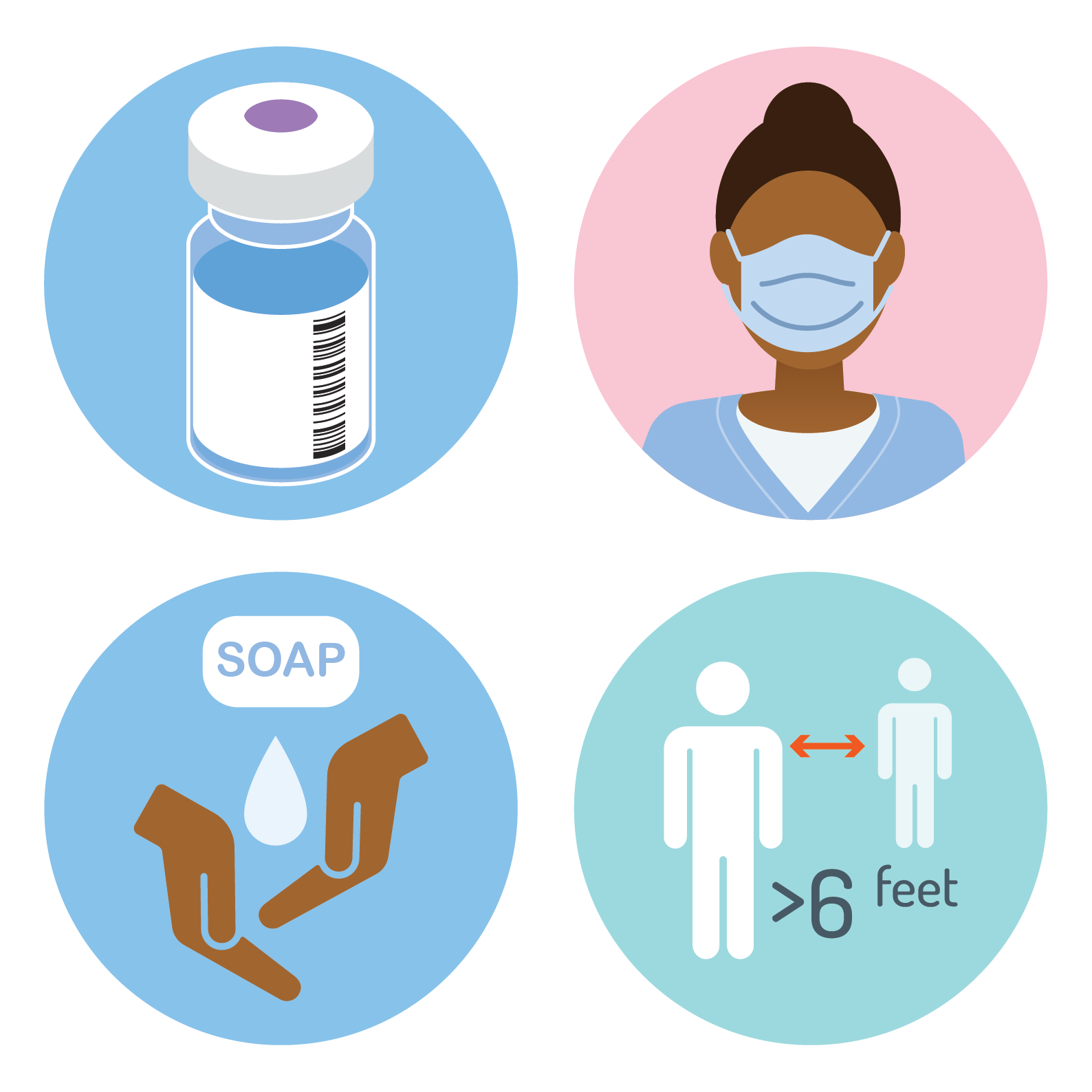
For these reasons, people who have been fully vaccinated against COVID-19 should keep taking precautions in public places, until we know more, like wearing a mask, staying 6 feet apart from others, avoiding crowds and poorly ventilated spaces, and washing your hands often.
COVID-19 vaccines are safe
Millions of people in the United States have received COVID-19 vaccines, and these vaccines have undergone the most intensive safety monitoring in U.S. history. This monitoring includes using both established and new safety monitoring systems to make sure that COVID-19 vaccines are safe. These vaccines cannot give you COVID-19. Learn more facts about COVID-19 vaccines.
CDC has developed a new tool, v-safe, to help us quickly find any safety issues with COVID-19 vaccines. V-safe is a smartphone-based, after-vaccination health checker for people who receive COVID-19 vaccines. Learn how the federal government is working to ensure the safety of COVID-19 vaccines.
You may have side effects after vaccination, but these are normal
After COVID-19 vaccination, you may have some side effects. These are normal signs that your body is building protection. The side effects from COVID-19 vaccination, such as chills or tiredness, may affect your ability to do daily activities, and they should go away in a few days. Learn more about what to expect after getting vaccinated.
In the coming months, vaccines will become widely available
Although the vaccine supply is currently limited, the federal government is working toward making vaccines widely available for everyone at no cost. Learn more about how COVID-19 vaccines get to you and who should get vaccinated first when supplies are limited.
The federal government is providing the vaccine free of charge to people living in the United States. However, your vaccination provider may bill your insurance company, Medicaid, or Medicare for an administration fee. Vaccination providers can be reimbursed for this by the patient’s public or private insurance company or, for uninsured patients, by the Health Resources and Services Administration’s Provider Relief Fund. No one can be denied a vaccine if they are unable to pay the vaccine administration fee.
In the coming months, doctors’ offices, retail pharmacies, hospitals, and clinics will offer COVID-19 vaccine. Your doctor’s office or local pharmacy may have contacted you with information about their vaccination plans. Use this tool to find more information on how to get vaccinated in your area:
How Do I Get a Vaccine?CDC makes recommendations for who should get the vaccine first, then each state makes its own plan.
Choose your state or territory below to find your health department: Select State / Territory