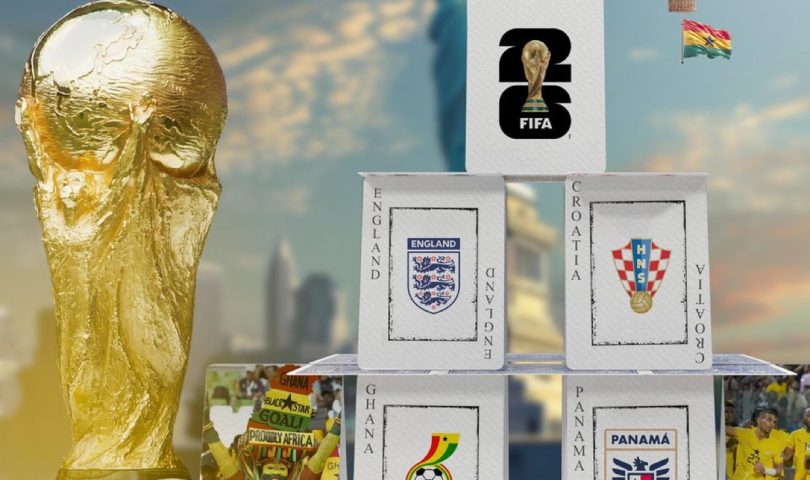


FIFA has confirmed that for the 2026 World Cup, hosted across the United States, Canada, and Mexico, each qualified nation will receive a dedicated allocation of tickets reserved for its supporters. These allocations, known as Participating Member Association (PMA) tickets, include a special Supporter Entry Tier priced at $60 per match, designed to ensure affordability for loyal fans of national teams. The distribution of these tickets, however, is not handled by FIFA directly, it is entrusted to each national football association.
This raises a critical question for Ghanaian communities abroad: will the Ghana Football Association (GFA) or the National Sports Council make provisions for diaspora supporters in the USA, Canada, and Mexico to access these reserved tickets? For Ghana, whose diaspora in North America is vibrant, organized, and deeply invested in the fortunes of the Black Stars, the answer carries immense weight.
The World Cup is not merely a tournament; it is a global stage where nations showcase their pride, unity, and identity. For Ghana, the Black Stars have long embodied resilience and brilliance, inspiring millions at home and abroad. Yet, the roar of support inside the stadium is as vital as the talent on the pitch. Diaspora fans,many of whom live in the very countries hosting the 2026 World Cup,represent a powerful force that can transform the stands into a sea of red, gold and green. Their presence is not only symbolic; it is strategic. In matches where margins are razor-thin, the energy of a united fan base can tilt momentum and lift players beyond their limits.
FIFA’s ticketing framework offers Ghana a unique opportunity. By channeling part of the PMA allocation to diaspora communities in North America, the GFA and National Sports Council would ensure that Ghanaian supporters abroad are not left scrambling in the general ticket lottery, where demand has already surpassed 20 million applications. Instead, they could stand shoulder to shoulder with compatriots from Ghana, amplifying the collective voice of the nation.
The diaspora’s call is clear: we want to be counted, we want to be present, and we want to support the Black Stars in person. The infrastructure exists, diaspora associations and community networks across the USA, Canada, and Mexico are ready to coordinate, mobilize, and distribute tickets fairly. What is needed now is clarity and commitment from the GFA and National Sports Council.
Award-winning sports journalism is not only about reporting scores; it is about advocating for the heartbeat of the game, the fans. In this case, the heartbeat stretches across continents. Ghana’s leadership must recognize that the World Cup is a rare chance to unite its global family in one arena and stands for its supporters. Selling reserved tickets to diaspora supporters would not only honor their loyalty but also strengthen Ghana’s presence in the host nations, turning stadiums into sanctuaries of Ghanaian pride.
The Black Stars will carry the hopes of millions in 2026. Let us ensure that when they look up into the stands, they see not only the faces of those who traveled from Accra, Kumasi, and Tamale, but also the voices of Chicago, Toronto, and Mexico City. The diaspora is ready. The question is whether Ghana’s football authorities will open the gates.