



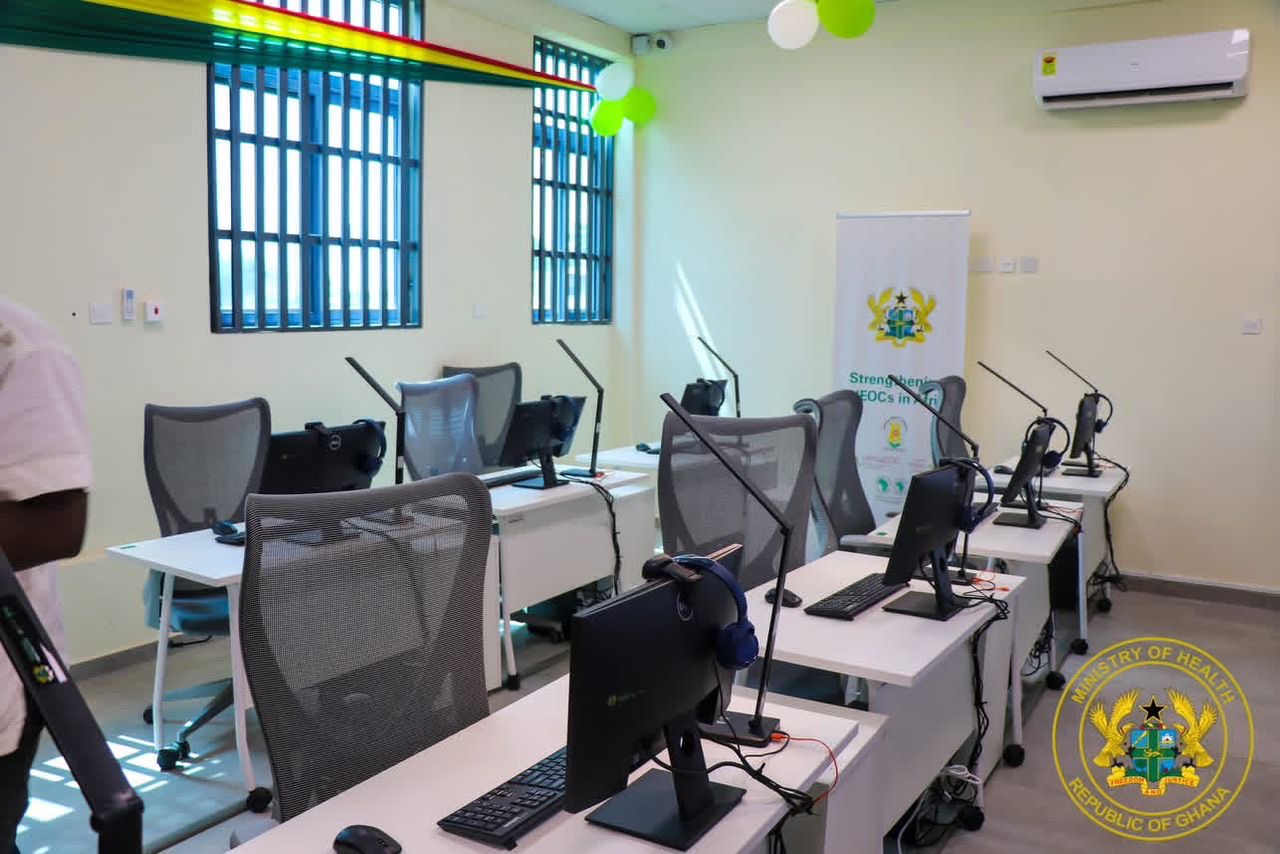
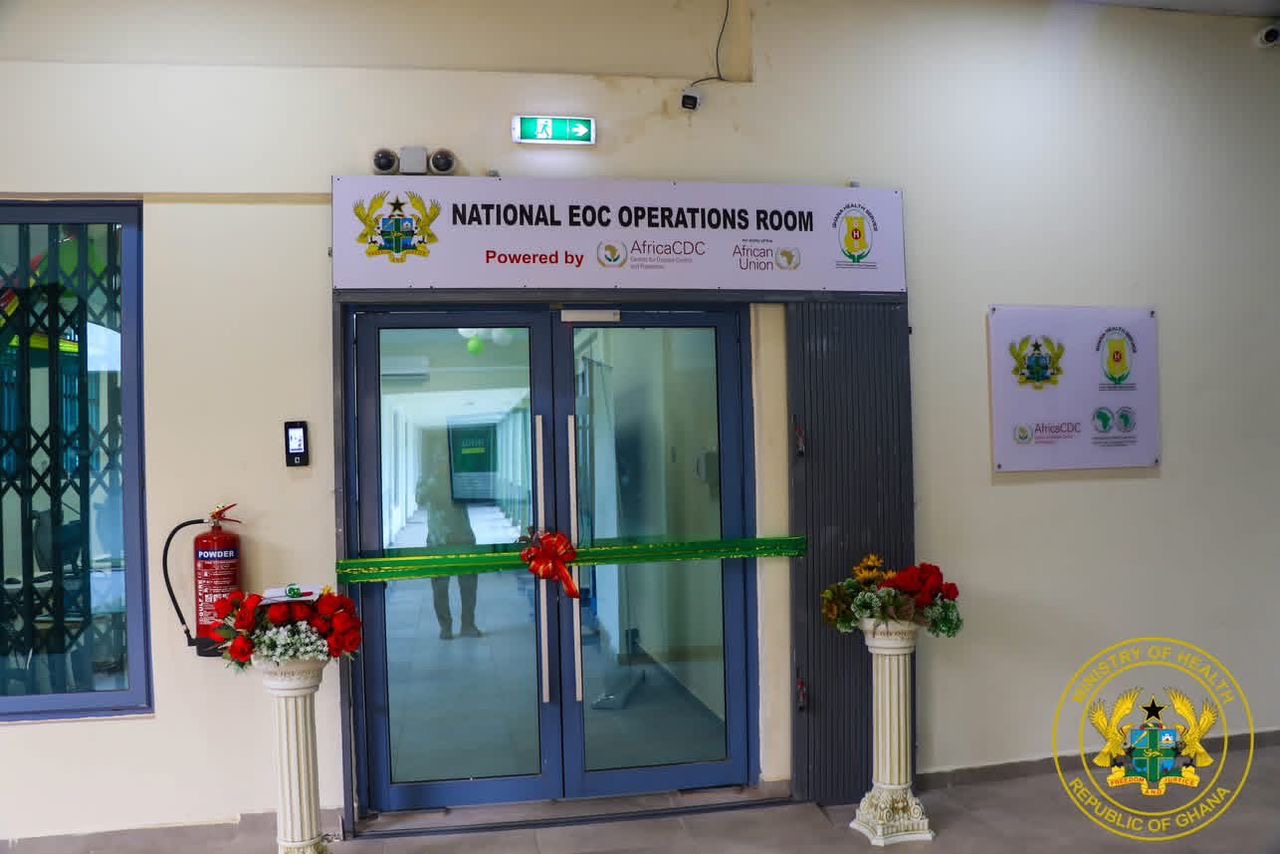
Ghana’s Health Minister, Kwabena Mintah Akandoh, has officially commissioned the nation’s first Public Health Operations Response Centre (PHORC), establishing a critical hub for coordinating emergency responses. Located at Pantang, the centre was established with significant support from the Africa Centres for Disease Control and Prevention (Africa CDC) and has been handed over to the Ghana Health Service (GHS). The facility is strategically designed to drastically improve the country’s emergency preparedness and response capabilities. By concentrating resources and leveraging real-time data, the PHORC is expected to strengthen evidence-based decision-making and streamline actions during disease outbreaks and public health crises.
Minister Akandoh emphasized that the commissioning of the centre represents a major advancement in Ghana’s commitment to developing a more robust, science-driven emergency response system. He highlighted that the PHORC’s role extends beyond national borders, as it is structured to support not only domestic operations but also cross-border collaboration across the entire West African subregion and the African continent. The Minister assured international partners that the new facility will be diligently maintained and fully utilized to serve its intended purpose of protecting public health regionally.
In remarks made during the commissioning, Dr. Kokou Nouwame Ahinon, the Regional Director of the Africa CDC’s Western Africa Regional Coordinating Centre, underscored the PHORC’s vital connection to the continent’s strategic public health goals. He explained that the facility is central to achieving the Africa CDC’s “7-1-7” target, which aims to detect disease threats within seven days, notify relevant authorities within one day, and organize an early response within the subsequent seven days. Dr. Ahinon affirmed the Africa CDC’s commitment, stating that the organization is proud to support Ghana with the necessary tools, connectivity, equipment, and capacity to strengthen its emergency readiness and better link district, regional, and national health levels.
Ruth Abla ADJORLOLO
