

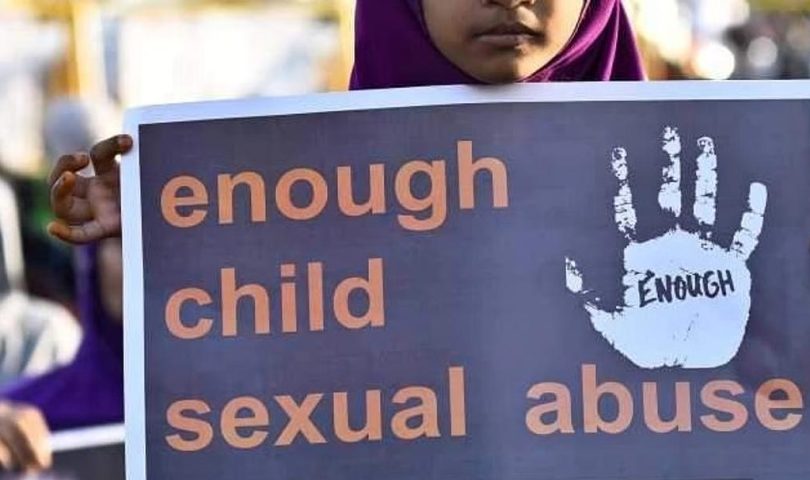

Former Chief Justice Sophia Akuffo has voiced deep concern regarding the persistently high rates of sexual assault against girls in Ghana. She is urging society to broaden its approach to the issue, moving beyond solely legal measures to tackle the systemic problem.
Her comments were prompted by a 2023 report from UNICEF and the Girls’ Excellence Movement, titled “Sheltered Yet Exposed.” The report revealed that a shocking 51.9% of females in Senior High Schools were sexually assaulted between 2019 and 2021.
The victims’ ages ranged from 11 to 22 years old. Alarmingly, the report also detailed that perpetrators are most often known to the victims, including:
- Friends (24%)
- Family and friends (12%)
- Schoolmates (12%)
- Teachers (10%)
- Strangers (9%)
A Systemic Failure and the Need for a Social Shift
Speaking on Channel One TV’s The Point of View with Bernard Avle, Justice Akuffo described the findings as “very disheartening.” Despite the existence of laws and special courts dedicated to gender-based violence, she lamented the lack of progress.
Justice Akuffo highlighted the systemic nature of the problem, suggesting a deeply ingrained societal misconception.
She observed, “It’s like there’s a certain adage that the more things change, the more they remain the same. It’s almost as though we never moved. And it comes from a certain conception that when you’re a female, you’re fair game. It’s a shame that matters have not improved.”
Revising Safety Advice: Beyond “Stranger Danger”
The former Chief Justice stressed that the traditional advice of “stranger danger” is wholly inadequate given the data that shows most abusers are known to the victims. She called for a fundamental revision of the guidance given to young girls.
“We need to revise the advice we give our girls. It’s not ‘stranger danger,’ maybe it should be ‘male danger,’” she remarked, pointing to the need for girls to be cautious of familiar individuals rather than just unknown threats.
Integrating Morality, Upbringing, and Law
While acknowledging the law’s vital role, Justice Akuffo firmly emphasized that moral upbringing, socialisation, and a basic sense of decency are equally essential components of the solution. She clarified the law’s function within a broader toolkit: “The law functions as part of the toolkit where, when all else fails, that should not fail. But there’s also upbringing, morality, and common sense that must work together.”
Justice Akuffo strongly condemned the societal factors that silence survivors and enable abusers, specifically calling out the culture of silence and victim-blaming.
“We still have in our society this vestige of ‘don’t talk about it, it’s embarrassing, it’s shameful,’” she noted. Furthermore, she criticized the common practice of scrutinizing the victim’s behaviour: “And then people ask, ‘What did you do? Look at the dress you’re wearing.’ These justifications amount to enablement.”
Calling for Proactive Prevention and Professional Ethics
Justice Akuffo called for stronger professional and social ethics to prevent adults, particularly those in positions of authority like teachers and employers, from exploiting minors. She drew attention to manipulative behaviours that must be addressed before they escalate to abuse.
“An adult should not be relating to a much younger person in a certain way,” she warned, noting that such behaviour is recognized as “grooming” and is a criminal offence in other jurisdictions.
Ultimately, she urged stakeholders to adopt a proactive, preventive approach to safeguarding young people. She used a powerful metaphor to illustrate this necessity: “In crime prevention, you don’t want to reach the edge of the cliff — you start putting barriers half a mile from the edge. We really need to take a second look at how we deal with offences against younger persons.”
Ruth Abla ADJORLOLO
