

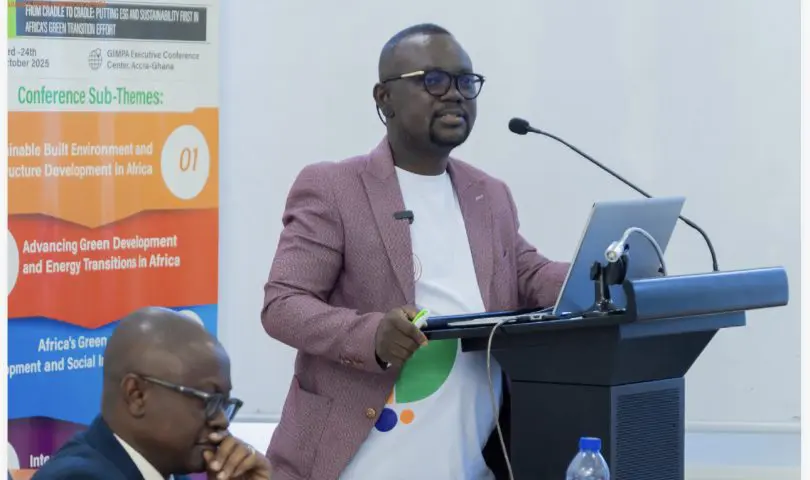

Sankofaonline Exclusive: A crucial two-day conference has just concluded at the GIMPA Greenhill Campus in Accra, Ghana, delivering a powerful mandate for Africa’s sustainable future. The 2nd International Conference on Environment, Social, Governance and Sustainable Development of Africa (ICESDA 2025) gathered a distinguished assembly of scholars, policymakers, and youth advocates to chart a new, ESG-focused path for the continent.
The overarching theme, “From Cradle to Cradle: Putting ESG and Sustainability First,” underscored a collective urgency for action. The key message was clear: Africa’s potential is immense, but coordinated effort is required now.
Participants engaged in robust discussions that resulted in several critical, high-impact insights for the continent:
- The green economy is a jobs powerhouse. Africa’s emerging green economy was identified as a major transformative job creator, with projections suggesting it could become the continent’s largest employment sector by 2030. However, current policy is lagging, with only 15% of African countries offering incentives for ESG-aligned investment.
- Urgent call to action against galamsey. The devastating impact of illegal mining on Ghana’s vital water bodies and ecosystems was condemned. The communiqué calls for strengthened governance, strict enforcement, and community-led restoration efforts to combat this environmental disaster.
- Youth and women as the driving force. Women and youth were recognized as the pivotal agents needed to accelerate Sustainable Development Goals. The conference demanded inclusive policies and targeted investments to end their underrepresentation in key decision-making roles.
- Need for ESG unity. Current ESG governance across Africa is fragmented. There is an urgent need for unified, continent-wide frameworks, measurable metrics, and digital platforms to allow African nations to scale their sustainable impact together.
- Indigenous knowledge is key. The powerful concept of Adinkratecture,using Ghanaian Adinkra symbols to communicate ESG and SDG principles,was celebrated, proving the profound value of integrating indigenous knowledge into modern sustainability efforts.
In response to these findings, ICESDA 2025 issued a clarion call to African governments, regional bodies, and the private sector. This is not just a suggestion—it is a mandate for action:
- Scale up ESG implementation across sectors and borders
- Invest heavily in youth and women as the continent’s sustainability champions
- Empower universities and research institutions to drive ethical, evidence-based policy and innovation
The clock is ticking. As the communiqué concluded, “The urgency of climate change, the promise of ESG, and the resilience of African communities demand bold, coordinated, and inclusive responses.”
