


Sankofaonline News Commentary : September 7,2025
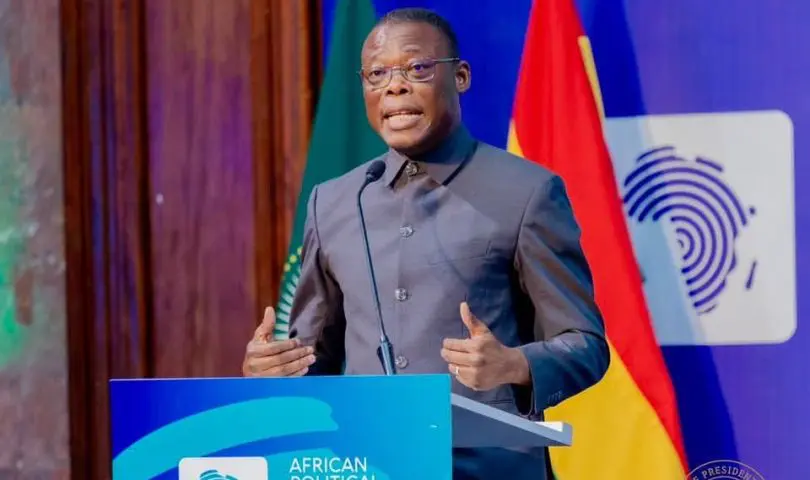
At the 2025 NDC Lawyers Association Conference, Fifi Fiavi Kwetey did not deliver a speech. He issued a warning. A reckoning. A mirror held up to the soul of Ghana’s legal and political elite. His words, raw and unvarnished, cut through the ceremonial air like a blade, reminding the nation that the promise of justice is not a slogan to be chanted, but a standard to be upheld. And if Ghana is to reset its governance, it must begin with those who claim to be its architects.

“If it’s to be done, it must be done well,” he began. Not as a rhetorical flourish, but as a moral imperative. To do it well, he insisted, means to do it totally, with proper due diligence, with integrity, and without compromise. The job must be properly done. No shortcuts. No backroom arrangements. No selective righteousness.
Fifi’s voice rose not in anger, but in urgency. “You are the noise,” he said, addressing the very lawyers, advisors, and operatives who shape the public discourse. “So you should know.” If you proclaim that righteousness and justice should be the foundation of our governance, then you must embody it. Ghana cannot afford a generation of leaders who denounce corruption in daylight and negotiate impunity in the shadows.
He did not name names. He did not need to. “Some among us,” he said, “are busy trying to cut deals with people who are supposed to be prosecuted.” The implication was clear: the rot is not only in the opposition, or in the past, it is within. And if the very custodians of justice become merchants of compromise, then Ghana’s reset will be nothing more than a rerun of betrayal.
Fifi’s message was not just a rebuke. It was a plea. A plea to remember why the people of Ghana voted for change. Not for deals to be cut. Not for the recycling of privilege. But for the right things to be done. For laws to be respected. For punishment to be exalted, not as vengeance, but as accountability.
He acknowledged the pressure. The whispers. The temptations. But he reminded his audience that the victory was not theirs alone. It was the people’s. And the people are watching. “Think again,” he warned. “Because this victory was achieved largely because the people of Ghana wanted the right things done.”
Fifi Fiavi Kwerty’s words must not be filed away as conference rhetoric. They must be etched into the conscience of every Ghanaian who holds power, influence, or ambition. Ghana stands at a crossroads, not of policy, but of principle. If selfish interests are allowed to override the national call for renewal, then the country will not simply falter. It will be doomed.
The noise must know. The noise must act. And the noise must be righteous. For only then can Ghana rise, not on the back of deals, but on the strength of justice.
