



A respected National Democratic Congress (NDC) organizer in Kumasi has become an unwitting casualty in a sophisticated job recruitment scam that has defrauded multiple individuals across Ghana. The organizer, whose name is being withheld due to the sensitive nature of the case, is now facing accusations of complicity,despite her own victimhood,after being unknowingly linked to the fraud through a trusted family connection.
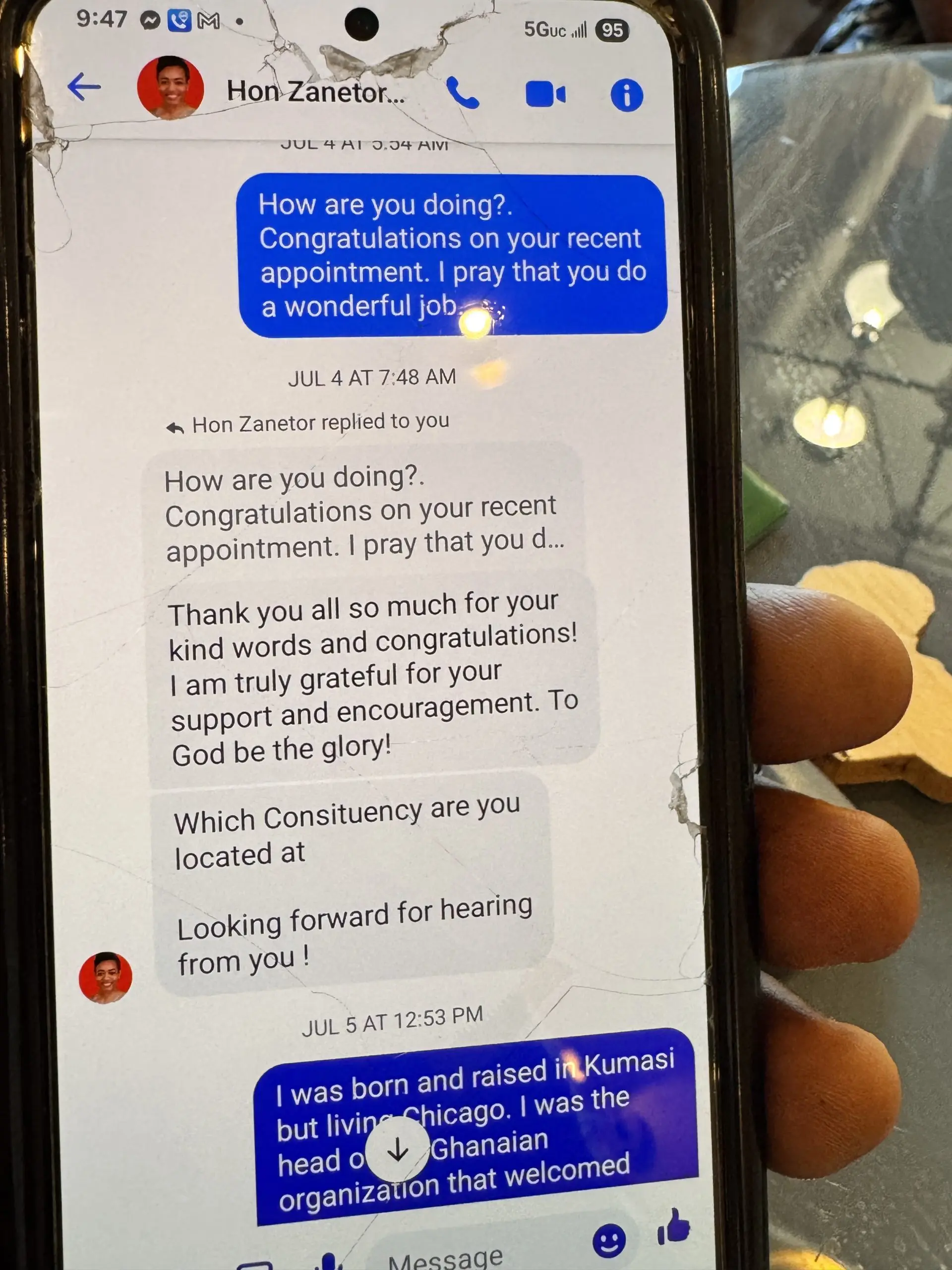
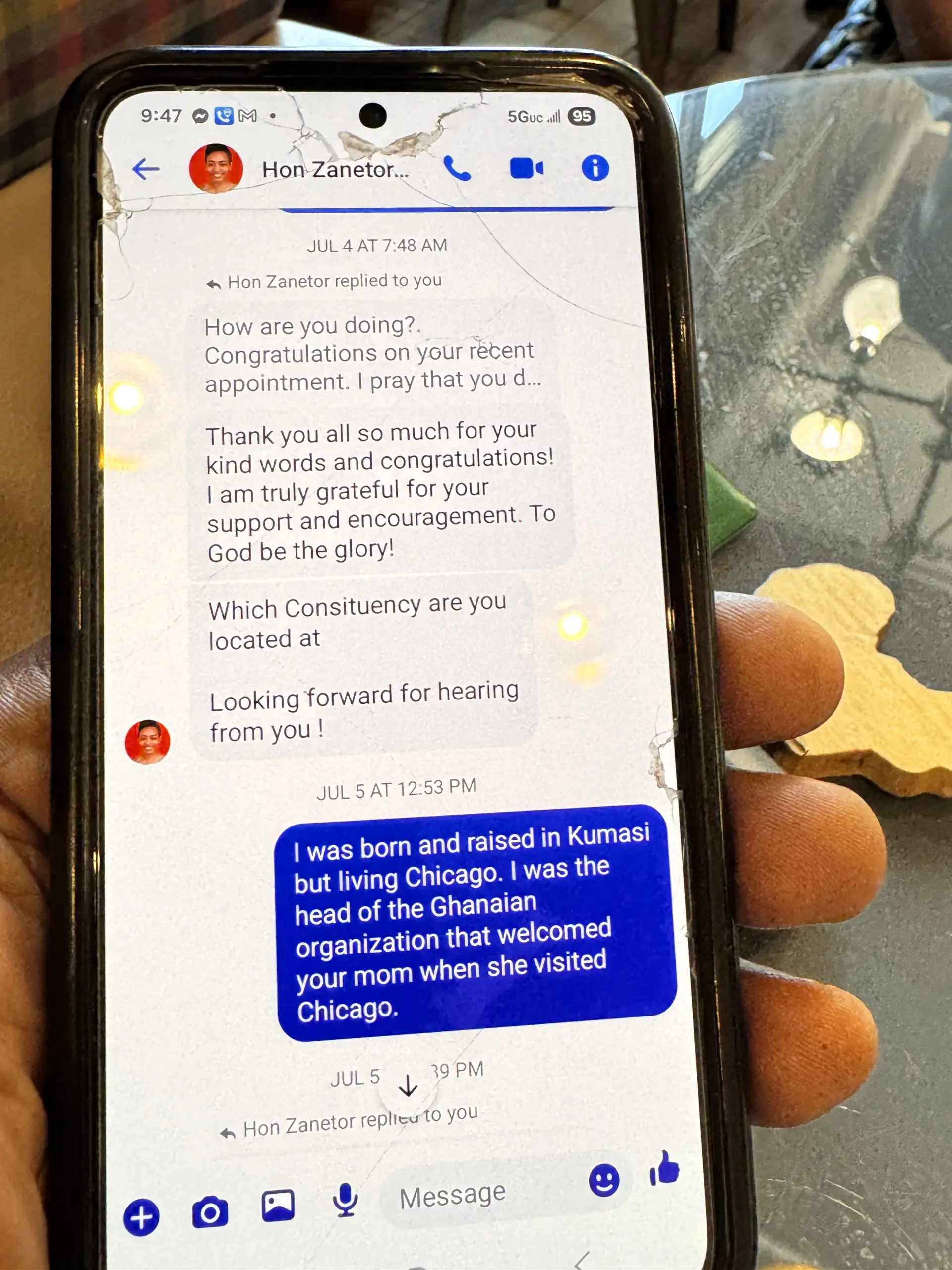
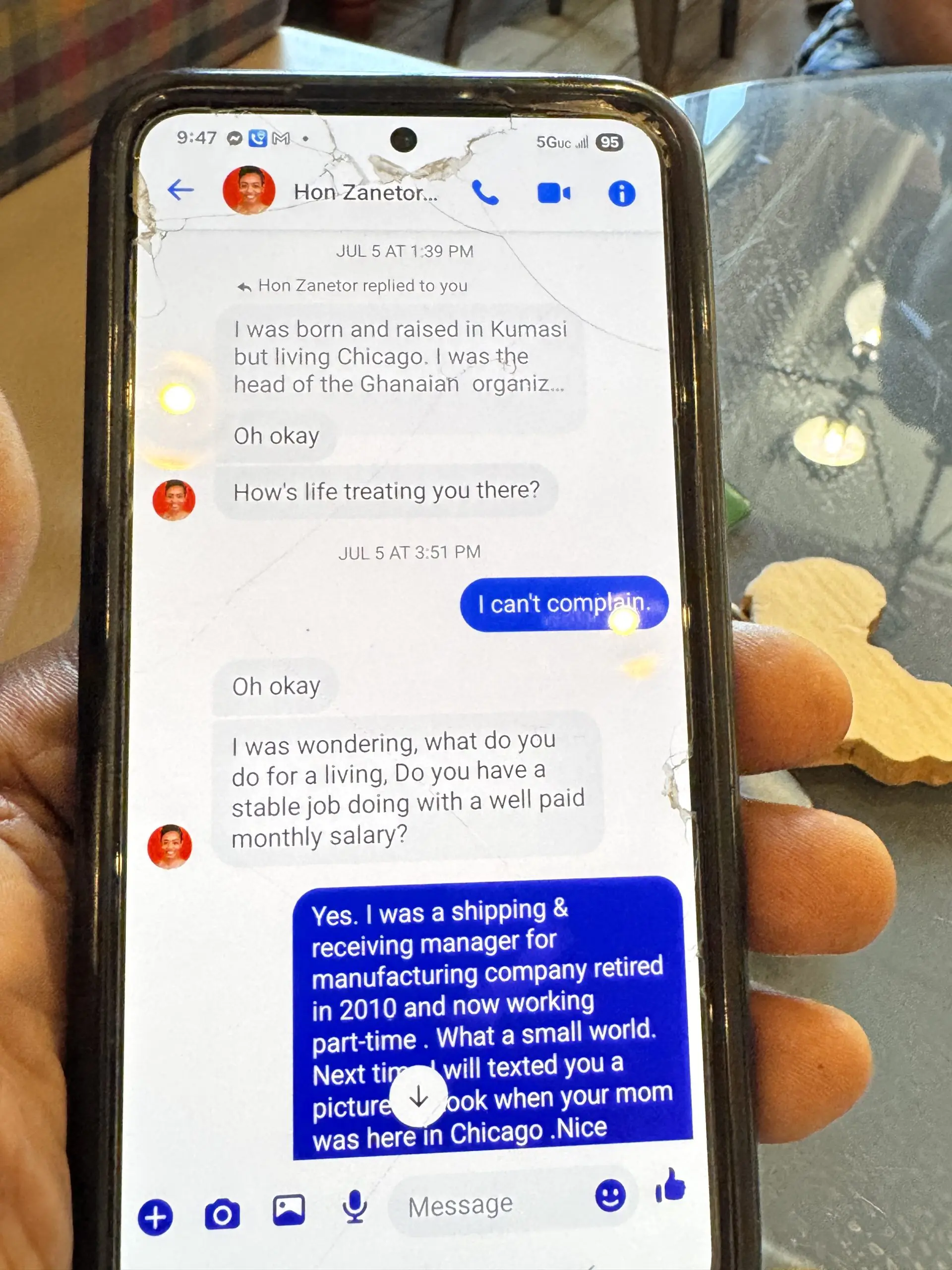
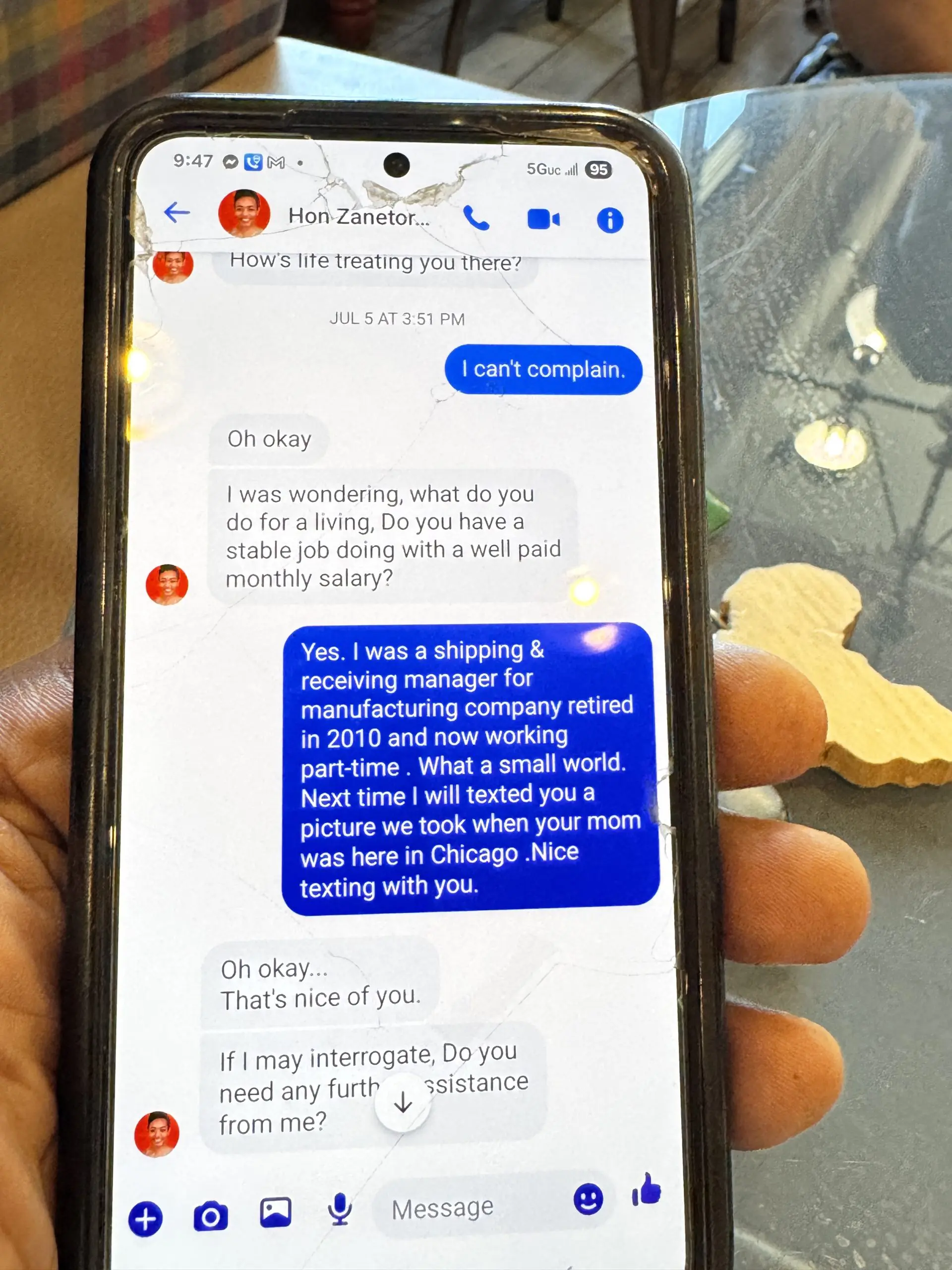
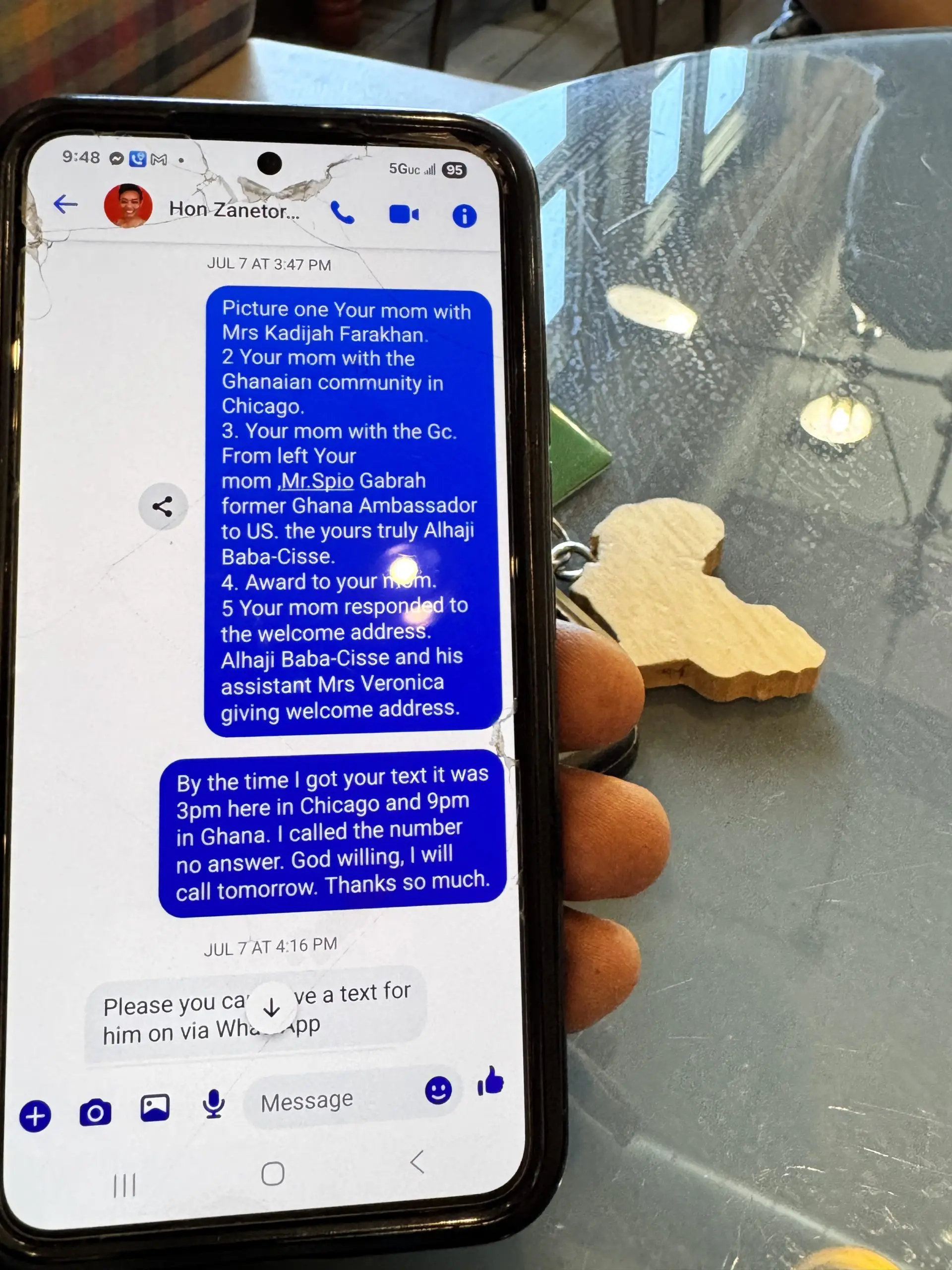
The deception began when her brother, a former secretary-general of the Ghana National Council residing in Chicago, engaged with a fraudulent social media account impersonating Hon. Dr. Zanetor Agyeman-Rawlings, Member of Parliament for Korley Klottey. Believing the account to be authentic, especially after recalling a prior meeting with Hon. Zanetor’s mother,the brother declined a personal job offer but requested assistance for his sister and her community in Ghana.
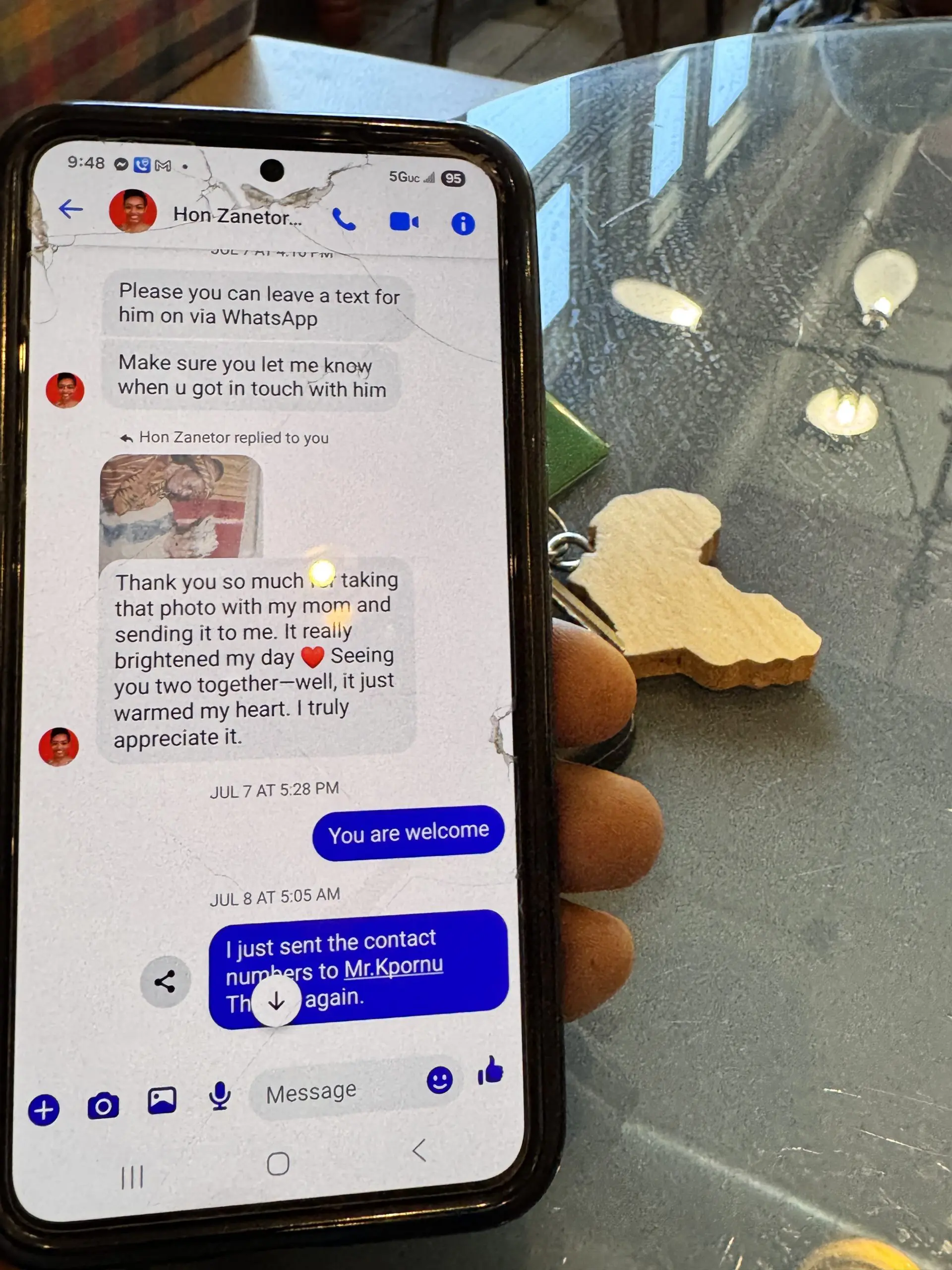
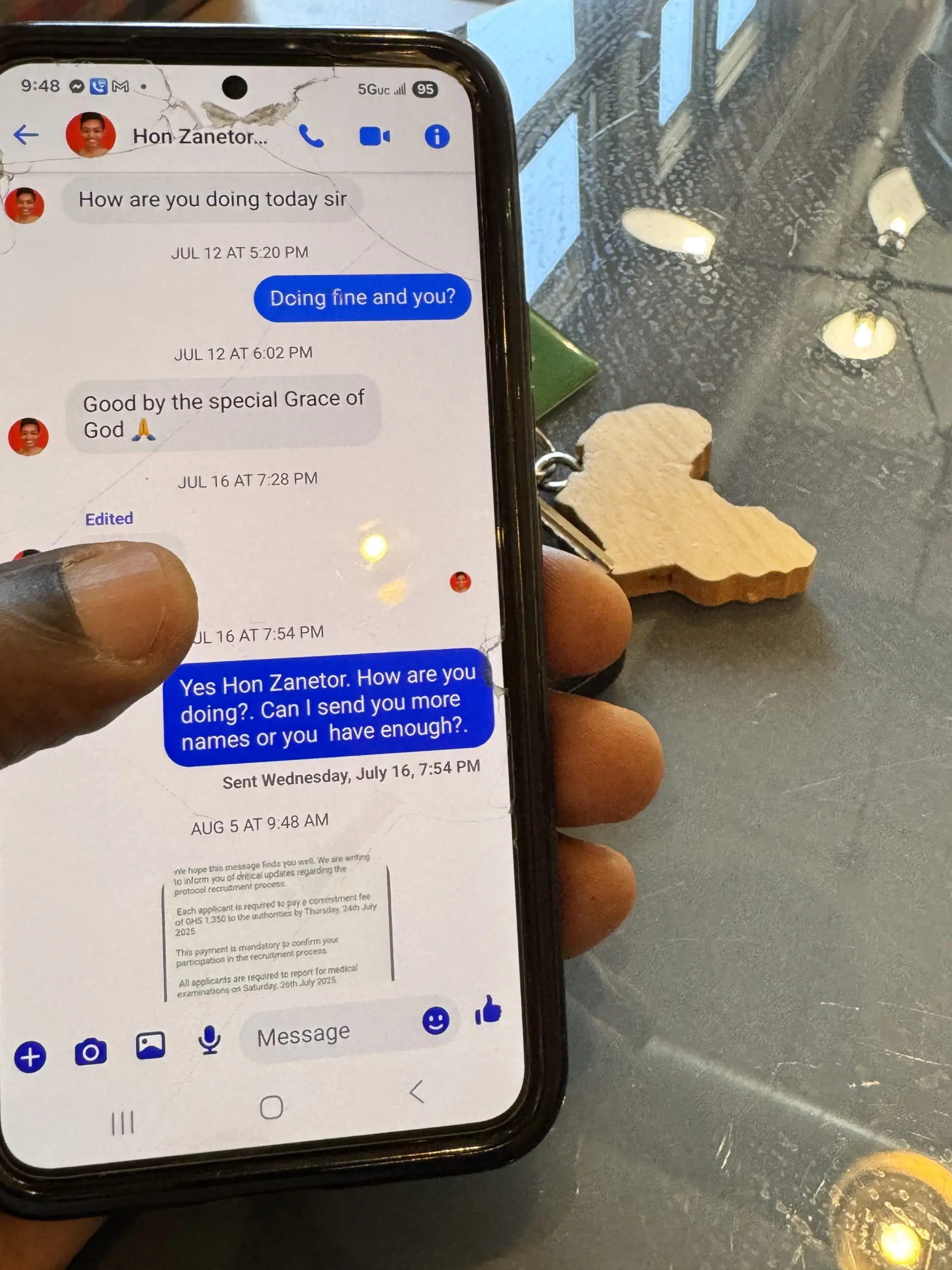
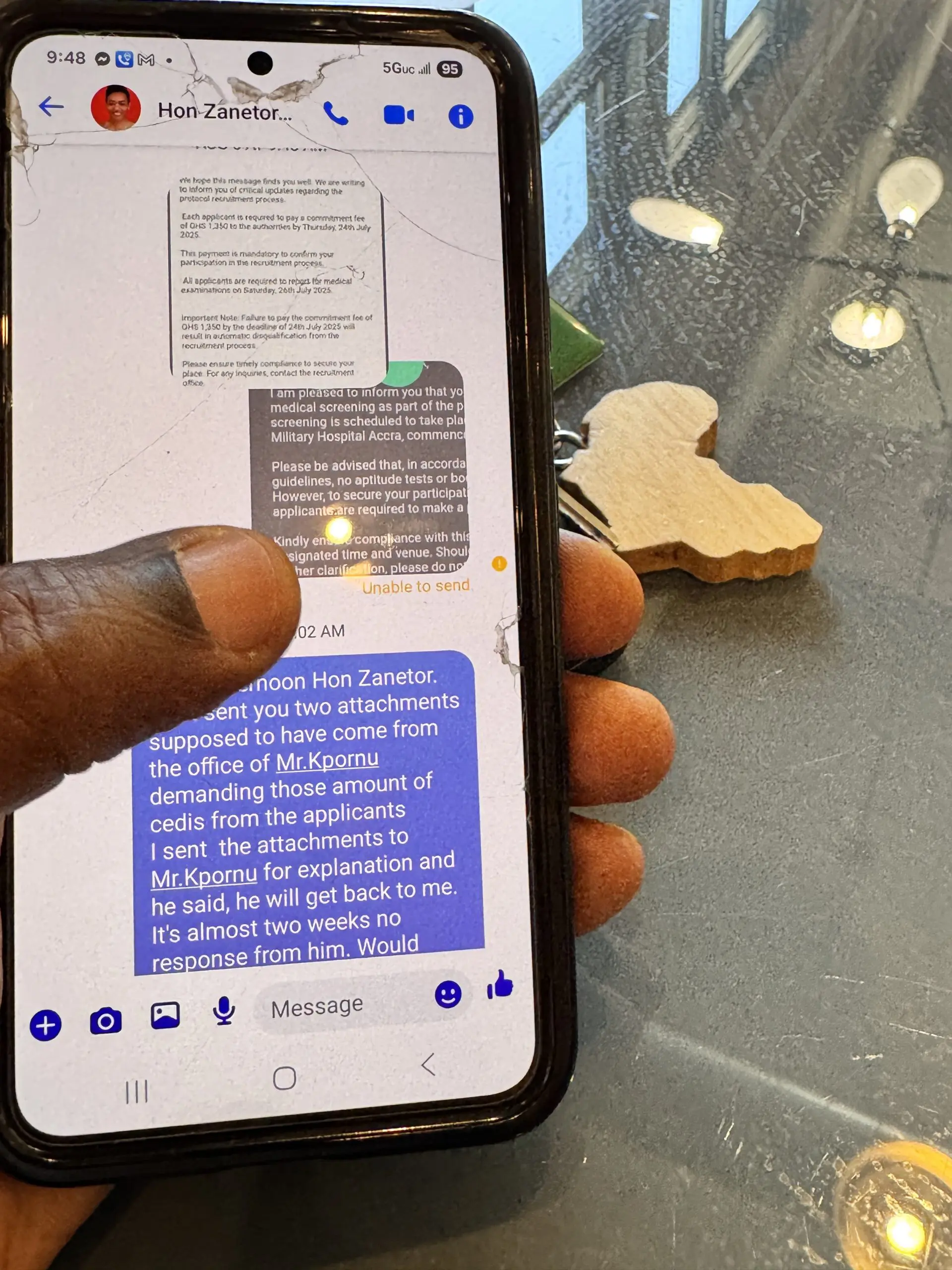
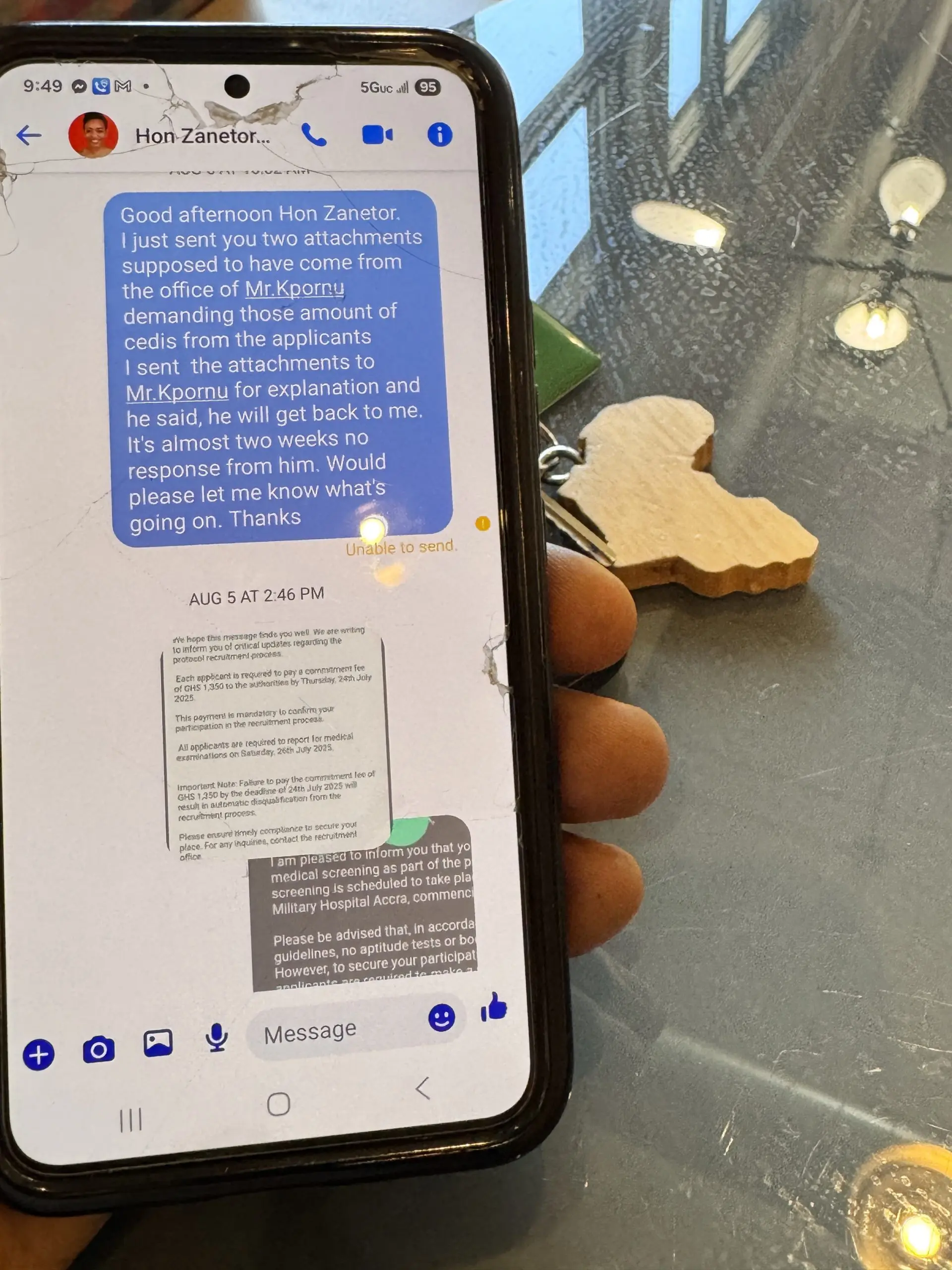
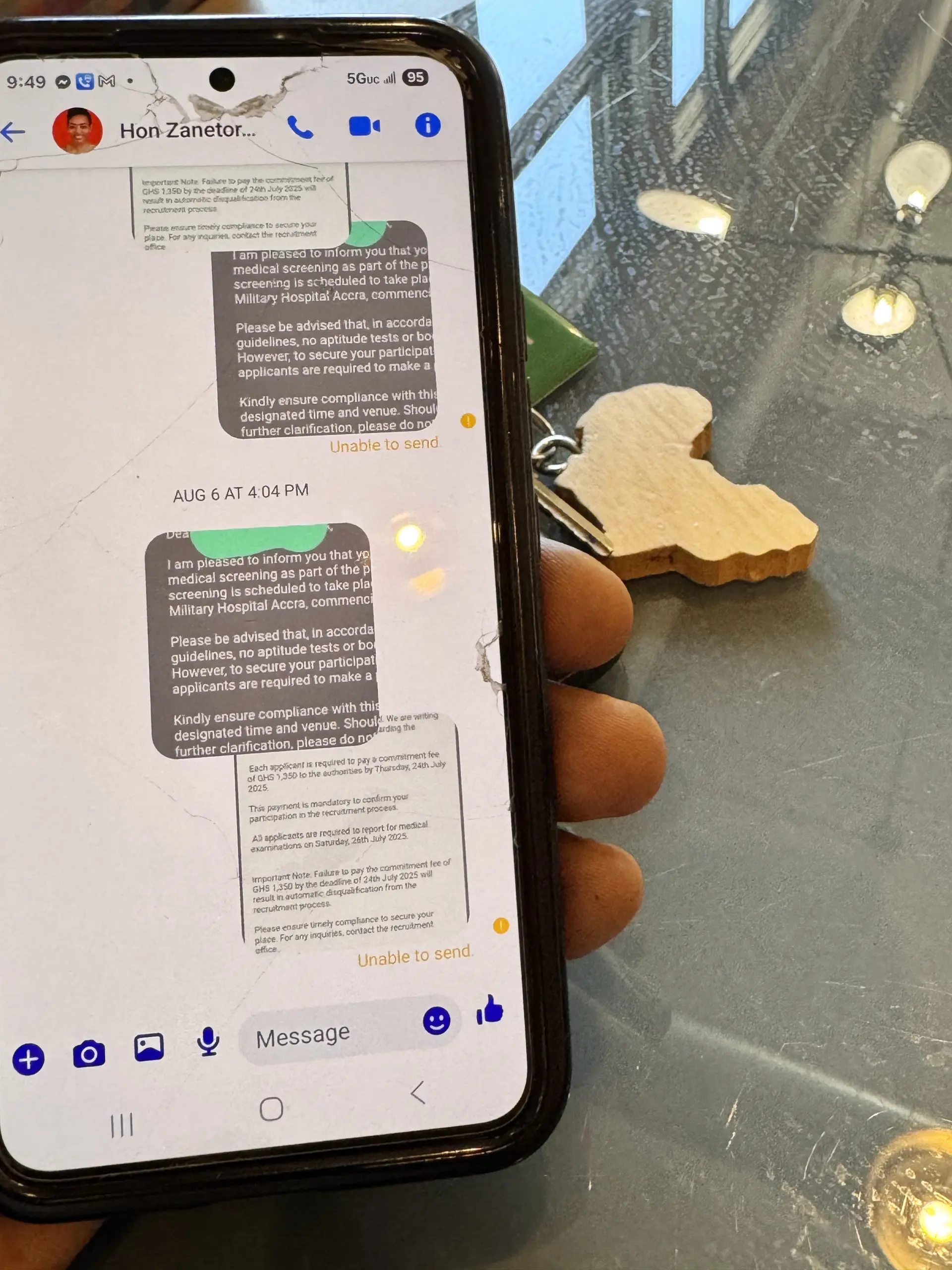
That gesture of goodwill became the entry point for a scam that preyed on trust, political affiliation, and familial bonds. The impersonator requested the contact details of the Kumasi organizer, positioning her as a conduit for a fake recruitment drive into Ghana’s security services. Applicants were instructed to pay a “commitment fee” of GHS 1,350 to secure a slot for medical screening at the Military Hospital in Accra. The promise of placement into the military, immigration, and other services lent the scheme a dangerous credibility.
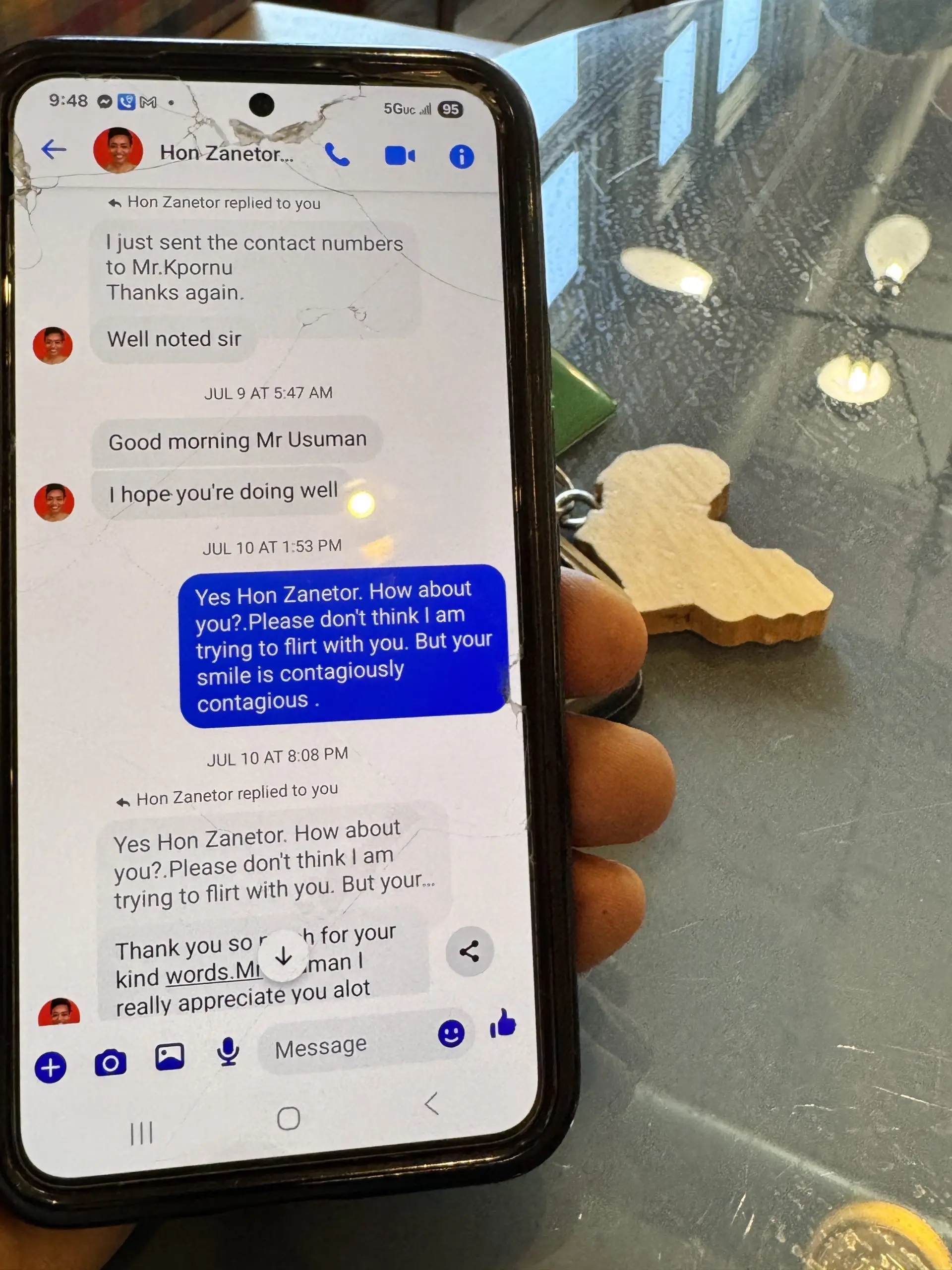
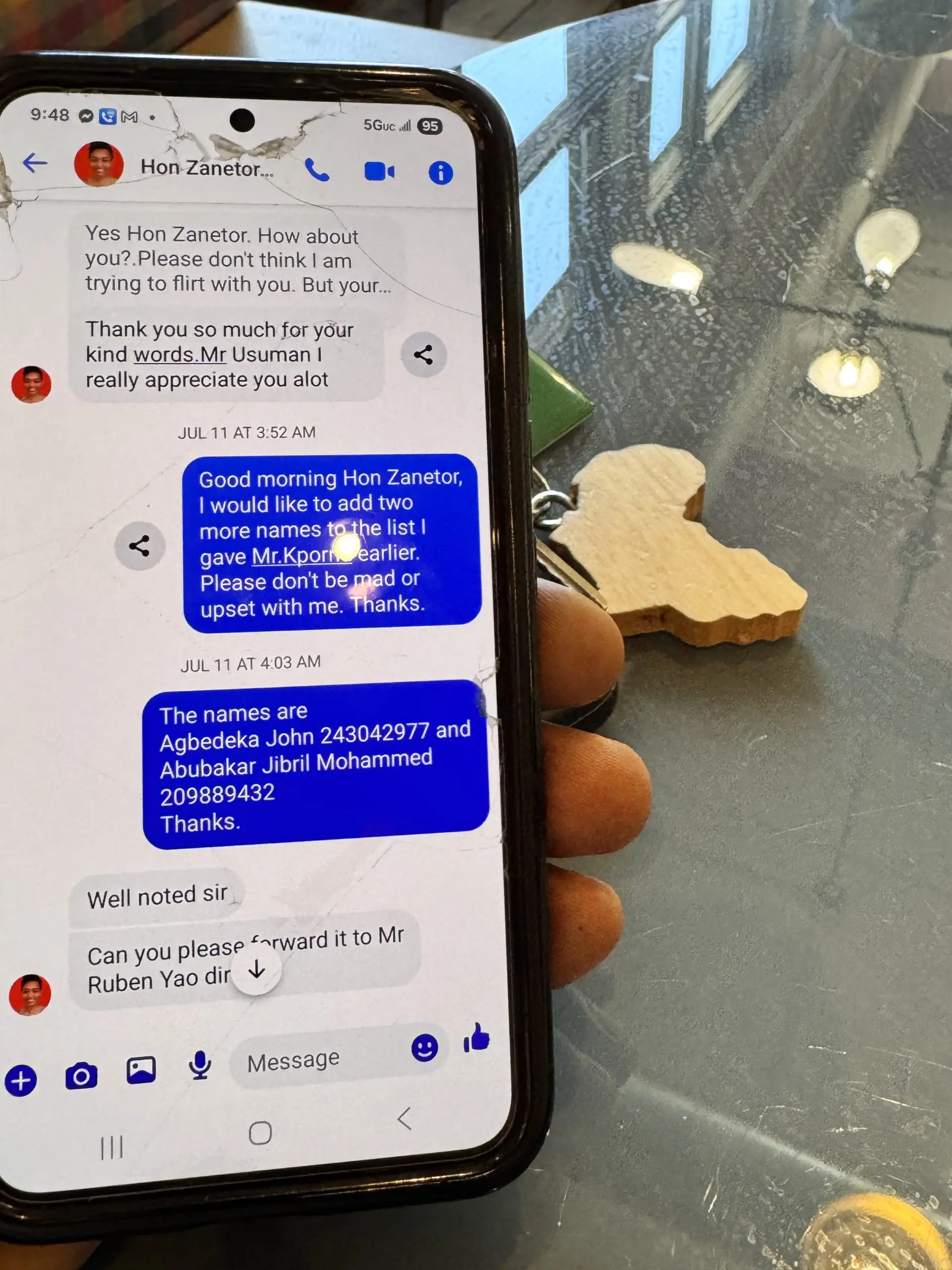
The organizer, acting in good faith and unaware of the fraudulent nature of the operation, communicated with both her brother and the impersonator, forwarding names of interested applicants. Her affiliation with the NDC and her brother’s standing in the diaspora community gave the scheme an air of legitimacy that proved devastating. Victims, believing they were engaging with a trusted political figure through a verified channel, paid the fees,only to discover the entire operation was a sham.
Now facing public scrutiny and personal anguish, the organizer is grappling with the fallout. Many of those defrauded believe she was complicit, despite clear evidence that she too was deceived. The emotional toll is compounded by the reputational damage and the betrayal of trust within her community.
This case is emblematic of a growing trend in digital fraud, where impersonation of public figures on social media is used to exploit citizens’ hopes and networks. It reveals the vulnerability not only of job seekers desperate for opportunity, but also of intermediaries who act with sincerity and are later vilified.
Security agencies must treat this case with urgency. A full investigation is warranted to identify and prosecute the perpetrators, whose actions have undermined public trust and caused real harm. Impersonating elected officials to defraud citizens is not only criminal, it is corrosive to the democratic fabric.
To prevent similar scams, citizens are urged to verify identities before engaging in recruitment processes, avoid paying upfront fees for job placements, and report suspicious online profiles to authorities. Community education on digital fraud must be prioritized, especially in regions where political affiliation and diaspora connections are often leveraged in good faith.
This is not just a story of fraud,it is a cautionary tale about the weaponization of trust. Justice must be pursued, not only for the victims who lost money, but for those whose reputations and relationships were exploited in the process.
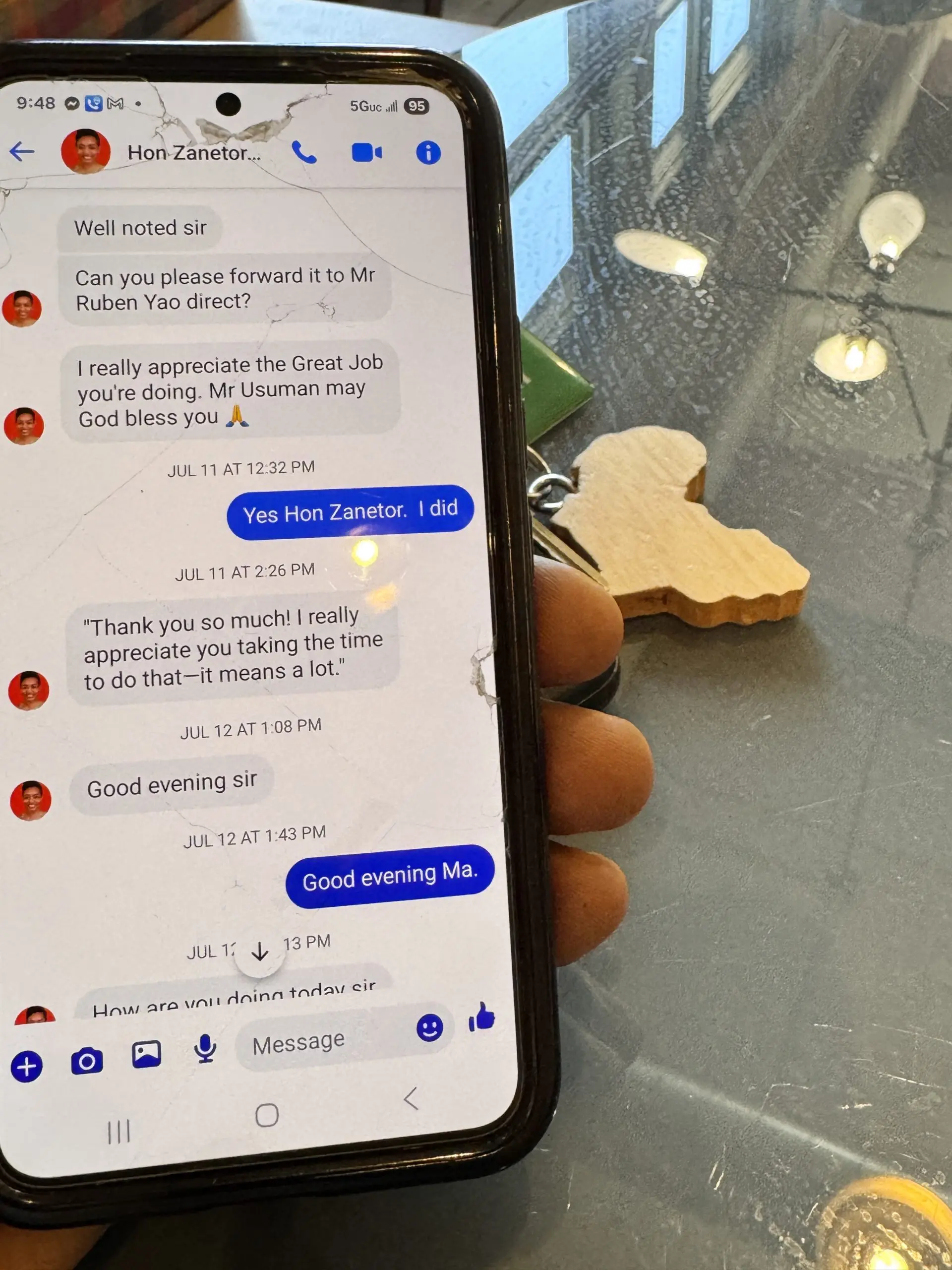
Attached is he WhatsApp chats:
Sankofaonline
