

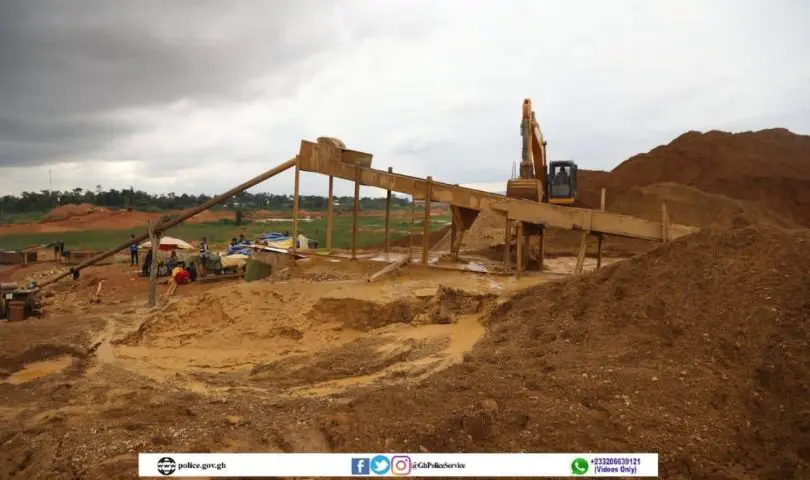

Mining operations, particularly small-scale ones, are a significant source of environmental degradation, including widespread deforestation and contamination of water bodies. The use of heavy machinery like bulldozers and excavators, alongside toxic chemicals such as cyanide and mercury, has been shown to devastate ecosystems and harm wildlife. A prime example is galamsey, the illegal small-scale gold mining in Ghana, which has been described as “unleashing spectacular and devastating environmental consequences.”
While the environmental impact is severe, the mining industry has developed standard practices aimed at mitigating these harmful outcomes. These practices begin before mining starts with an Environmental Impact Assessment (EIA) and baseline studies to understand the area’s original state. During operations, measures like water recycling, sediment control, and real-time monitoring are implemented to limit degradation.
Effective waste management is crucial, involving the containment of tailings—the waste material from mining—in lined ponds or through dry stacking. After mining, a comprehensive restoration phase is undertaken, which includes filling pits, re-vegetating the land, and restoring the hydrologic balance.
The entire process is underpinned by continuous monitoring and engagement, using advanced technologies like AI and satellite monitoring to track contaminants and ensure regulatory compliance. These standards, enforced by regulatory bodies like the Environmental Protection Agency (EPA), are essential to track hazardous chemical imports and heavy equipment to ensure mining can proceed with minimal environmental harm.
“Gold is worse than poison to a man’s soul, doing more murders in this loathsome world, than any mortal drug.” – William Shakespeare (Romeo and Juliet)
“Never doubt that a small group of thoughtful, committed people can change the world. Indeed, it is the only thing that has.” – Margaret Mead
Ruth Abla ADJORLOLO
