

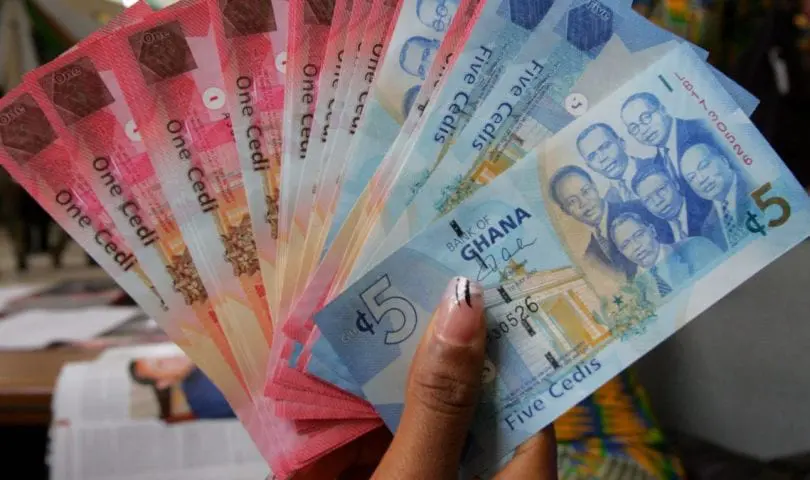

The Bank of Ghana has issued a stern reminder to the public, businesses, and individuals that all transactions for goods and services within the country must be conducted in the Ghanaian Cedi, which remains the nation’s sole legal tender. The central bank’s notice, referencing the Foreign Exchange Act of 2006, specifically prohibits unlicensed foreign exchange activities, including black market dealings and the practice of pricing, advertising, or accepting payments in foreign currencies like the U.S. dollar.
The directive applies to a broad range of sectors, including school fees, real estate sales and rentals, airline tickets, and retail shopping. The Bank of Ghana has ordered all private and public institutions engaging in these practices to cease immediately. The only exception allows foreign currency invoices to be issued to expatriates or non-residents, with the proceeds required to be paid into a Foreign Exchange Account at a licensed bank.
The notice also clarified that any exchange rates used on invoices must be based on prevailing commercial bank rates and benchmarked against the Bank of Ghana’s published reference rate, not arbitrarily set. The central bank warned that it will continue to enforce compliance and that violators will face sanctions and legal action as outlined in the Foreign Exchange Act.
Ruth Abla ADJORLOLO
