

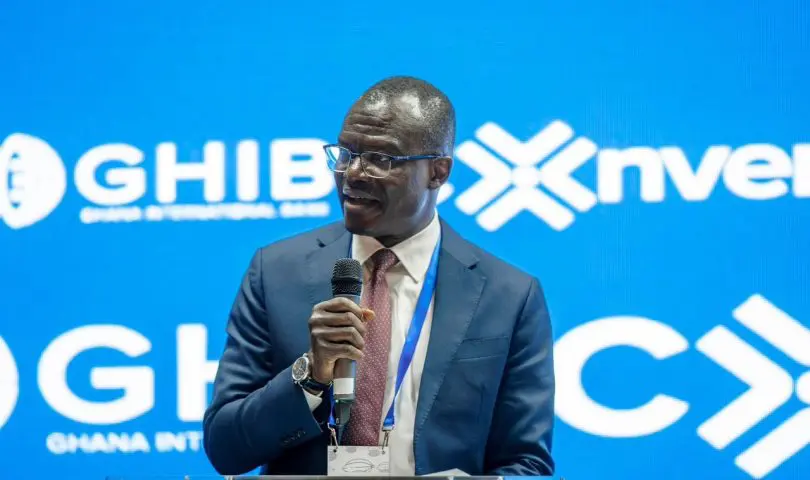

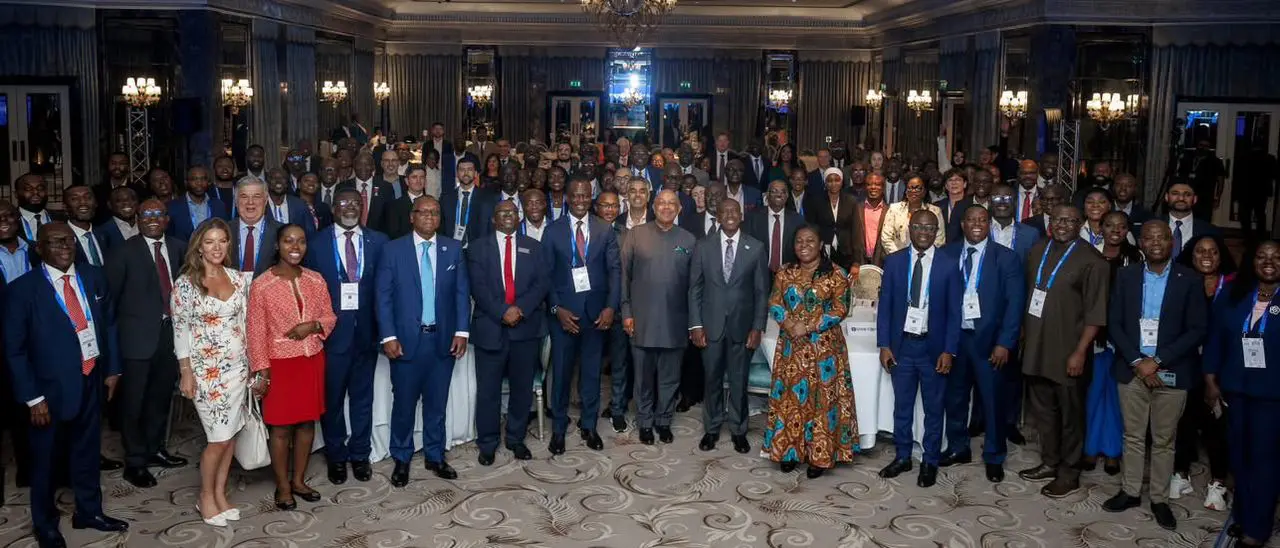
Dr. Zakari Mumuni, the First Deputy Governor of the Bank of Ghana, detailed the country’s successful use of gold to navigate recent economic challenges during a speech at the CNVERGE ’25 trade and banking event in London. He explained that a strategic shift was necessary after external shocks and pre-existing debt vulnerabilities led to sovereign credit downgrades and loss of access to international capital markets. This pushed the central bank and government to “rethink the foreign exchange reserve strategies” and leverage Ghana’s vast gold resources.
The First Deputy Governor cited the Domestic Gold Purchase Programme (DGPP) and the Gold for Oil (G4O) initiative as key to the turnaround. The DGPP, launched in 2021, aimed to increase the central bank’s gold reserves by 100% within five years and diversify its foreign exchange portfolio. The G4O initiative, introduced in 2022, used gold to secure petroleum imports at competitive prices, which helped stabilize fuel costs and inflation.
These strategies, according to Dr. Mumuni, were about “unlocking the potential of the country’s commodity base” rather than just accumulating reserves.
According to Dr. Mumuni, these programs have yielded significant results. As of the end of June 2025, the central bank had acquired 145.95 tonnes of gold, with its physical holdings increasing to 32.99 tonnes from 8.74 tonnes. A total of 27.63 tonnes of gold was used to settle petroleum imports.
He stated that these efforts have contributed to a stable macroeconomic environment, improved the country’s credit profile to a B- rating with a stable outlook, and boosted investor confidence.
Dr. Mumuni encouraged traders and bankers to explore opportunities within Ghana’s commodity ecosystem, such as structured products and commodity-backed financing.
Ruth Abla ADJORLOLO
