


By Fuvi Kloku
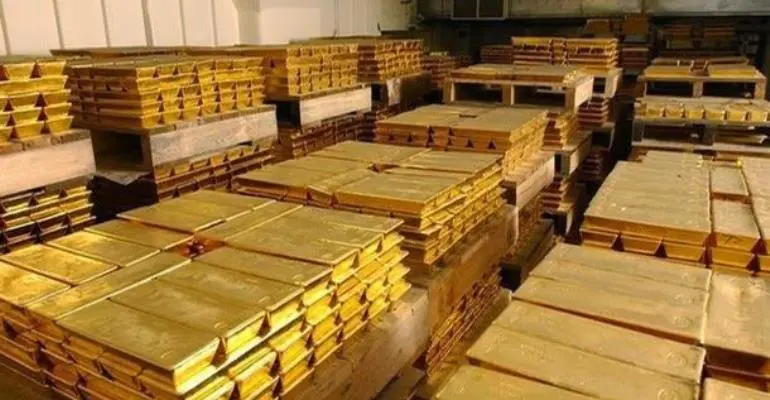
ACCRA—Ghana has crossed a historic threshold. In just five months, the country has earned an astonishing $5 billion from gold exports, an achievement that signals not just a windfall, but a fundamental shift in how we manage and benefit from our mineral wealth. President Mahama’s announcement this week confirms what many in policy circles have quietly hoped: that bold reform, when rooted in national interest and executed with precision, can yield transformative results.
At the heart of this revolution is the Ghana Goldbod, established in January 2025 to centralize the acquisition and sale of gold. Its creation marked a decisive break from decades of fragmented oversight and porous regulation, which allowed vast quantities of gold, and foreign exchange,to leak out of the country. By channeling all artisanal and small-scale gold through a single, state-controlled entity, the government has not only plugged these leaks but turned a historically informal sector into a formal economic engine.
The numbers are staggering. Between January and May, small-scale miners exported nearly 52 tons of gold,more than their large-scale counterparts for the first time in history. This 95% surge in exports is not merely statistical; it represents a reordering of Ghana’s gold economy, one that places local miners and national interests at the center. The removal of foreign actors from the domestic gold market and the crackdown on illegal mining have been pivotal. These measures have restored control over a sector long dominated by shadow networks and external profiteers.
The economic dividends are already visible. The $5 billion in gold-backed foreign exchange has fortified Ghana’s reserves, stabilized the cedi, and improved the balance of payments. In May alone, the Gold Board exported 11 tons of gold worth $1.1 billion, a figure that underscores the sustained momentum of the reforms. For businesses, this means greater currency predictability. For citizens, it means a government with more fiscal room to invest in infrastructure, education, and health.
But the question remains: can we sustain this golden revolution?
The launch of Ghana’s first anti-gold smuggling task force is a promising step. Backed by security forces, its mandate is clear, eradicate illegal trade and protect the integrity of our export system. Yet enforcement alone will not be enough. The government must now invest in the long-term viability of small-scale mining, ensuring that environmental standards, safety protocols, and community benefits are not sacrificed at the altar of short-term gains.
Moreover, transparency must be non-negotiable. The Goldbod’s operations, pricing mechanisms, and export contracts must be subject to public scrutiny. If this new framework is to endure, it must earn the trust of miners, citizens, and international partners alike.
Ghana is Africa’s leading gold producer and the sixth largest globally. With these reforms, we are no longer just exporting gold,we are exporting a model. A model of how resource-rich nations can reclaim control, empower local actors, and convert mineral wealth into national prosperity.
The $5 billion earned is not just a figure. It is a signal. A signal that Ghana, when bold and deliberate, can chart its own economic destiny. The challenge now is to ensure that this revolution does not fade, but deepens, turning gold into lasting development, and policy into legacy.
Yet even as Ghana celebrates this breakthrough, the path ahead demands vigilance. Sustaining the gains will require more than enforcement, it calls for institutional transparency, environmental stewardship, and inclusive growth strategies that ensure small-scale miners are not just producers, but stakeholders in national development. The $5 billion milestone is a beginning, not a destination. To turn this golden moment into enduring progress, Ghana must confront the hard questions of governance, equity, and long-term resilience.
