



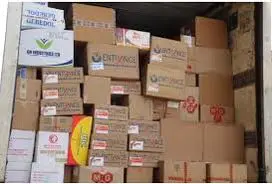
The Pharmaceutical Manufacturers Association in Ghana (PMAG) has made a significant contribution to the healthcare sector by donating medical drugs valued at GH₵2.2 million to the Ministry of Health. The donation is in support of the Mahama Cares Initiative, a program aimed at improving public health service delivery, particularly in underserved communities across the country. The gesture underscores the commitment of local pharmaceutical manufacturers to enhancing healthcare outcomes in Ghana.
The donated items include a wide range of essential medications such as pain relief medication, blood tonics, anti-malaria drugs, cardiovascular drugs, anti-diabetic medication, and asthma management drugs, among others. These medicines are crucial in managing various health conditions and will significantly enhance the ability of healthcare facilities to provide quality care to patients. The donation was received by the Minister of Health, Kwabena Mintah Akandoh, on July 18, 2025, who expressed his gratitude for the timely intervention.
Minister Akandoh commended the Pharmaceutical Manufacturers Association of Ghana for their role in strengthening Ghana’s health system. He emphasized that the donation comes at a critical time and will go a long way in bridging the healthcare gap in remote and vulnerable areas. “This donation could not have come at a better time. It will significantly enhance our ability to provide quality healthcare to our citizens, especially in remote and vulnerable areas,” the Minister stated, assuring that every single item will be used strictly for its intended purpose.
The Executive Chairman of the Tobinco Group of Companies, Elder Tobin, who represented PMAG at the ceremony, lauded the Mahama Cares Initiative for its efforts in making healthcare accessible and affordable for all Ghanaians. He noted that the initiative reflects a deep commitment to improving healthcare outcomes and that PMAG’s donation is a testament to the association’s support for this noble cause. The donation is expected to have a positive impact on the lives of many Ghanaians, particularly those in underserved communities.
Ruth Abla ADJORLOLO
