


July 18, 2025
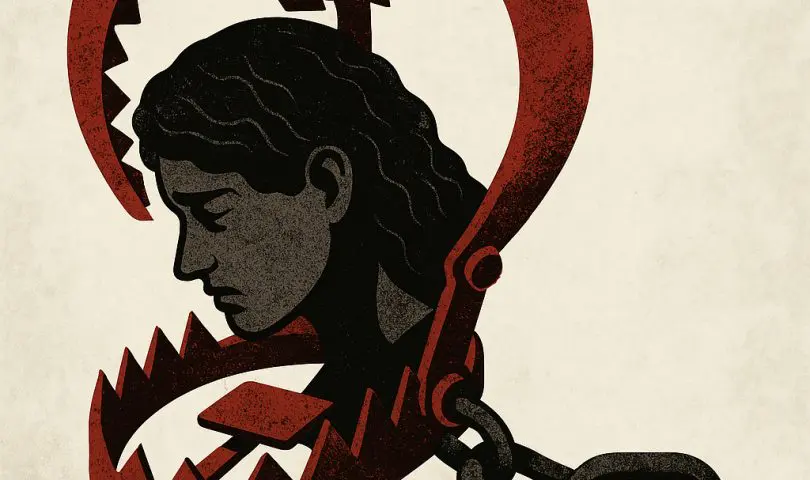
It started like so many stories in the digital age—an online flirtation, a hopeful connection, and then, a descent into danger.
The SankofaOnline News Desk has confirmed reports that two Ghanaian women, Anastasia Arthur (also known as Baidoo) and Amaseerwaa Konadu, were recently rescued from captivity in Nigeria following a harrowing ordeal orchestrated through an online romance scam. Their liberation was made possible through swift collaboration between the Nigeria Police Force’s Intelligence Response Team and the Ghanaian Police Service. Multiple members of the trans-border kidnapping syndicate behind the crime—operating across Ghana and Nigeria—have since been arrested.
This is not just a story of crime. It is a story of trust exploited.
Initial investigations revealed that Ms. Baidoo was lured via a fake romantic relationship on Facebook, a digital tactic that’s grown alarmingly common. Among those arrested were Emeka Christian, a Nigerian residing in Ghana who admitted receiving ransom payments, and fellow operatives Paulinus Chidokwe and Chinonso Okafor. The women were found under conditions described as “dehumanizing,” and have now been hospitalized for treatment.
The commentary from law enforcement is clear: online romance scams are not just emotional cons. They are active, dangerous pipelines for extortion, trafficking, and transnational criminal activity.
At SankofaOnline, we recognize that diaspora communities, in particular, are vulnerable to these digital traps. Loneliness, migration aspirations, and fragmented support systems can make the online promise of love feel like salvation—until it becomes imprisonment.
This is a compassionate call for awareness, prevention, and communal protection:
- Digital Vigilance Is Vital: Never accept friend requests or romantic overtures online without verification. Ask questions. Verify photos, locations, and intentions. When in doubt—pause.
- Educate Widely and Boldly: Our churches, community groups, schools, and media outlets must begin sustained conversations about cyber safety. Romance scams are no longer fringe issues—they are frontline dangers.
- Report, Not Retreat: Victims must know they are not alone. Shame is the captor’s tool. Speak up. Report suspicious behavior to local authorities or cybercrime units. Prevention depends on visibility.
- Cross-Border Policing Must Continue: The successful collaboration between Ghana and Nigeria in this case should become the norm, not the exception. Intelligence-sharing, rapid responses, and coordinated crackdowns are key to dismantling these syndicates before they strike again.
- Strengthen Community Networks: Trusted systems within diaspora circles must become safe havens—places where romantic interests can be vetted, suspicions raised without fear, and isolation combated with solidarity.
Let this incident serve as more than just news. Let it be the beginning of a broader awareness movement—rooted in the spirit of Sankofa: to go back, fetch wisdom from the past, and protect the future.
The internet is powerful. So is love. But both must be stewarded with care, caution, and community.
SankofaOnline stands with survivors, calls for action, and urges every reader to remember: safety begins with knowledge. And knowledge begins with us.
