

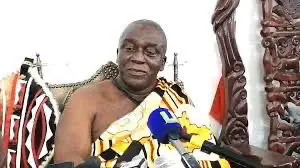

Accra – Nana Kobina Nketsia V, the Omanhene of the Essikado Traditional Area in the Western Region, has urged authorities to implement stringent measures to regulate immoral content on social media, warning that its unchecked proliferation is fostering impunity and eroding Ghanaian values. While acknowledging social media’s potential for education and empowerment, he stated that many content creators exploit it for popularity and profit at the expense of decency and national integrity.
Speaking to Graphic Showbiz on after the inauguration of the Pan-African Progressive Front (PPF) headquarters in Accra, Nana Nketsia V lamented that the misuse of social media is fueling moral decay, particularly among the youth, and criticized the slow response from authorities.
“There’s so much power in the digital space. But what are we using it for? To spread falsehoods, glorify violence, and promote superficiality? That’s not the Africa we want,” he asserted, calling for content that inspires, educates, and challenges.
The traditional ruler noted that the state’s slow reaction to online misconduct has created an environment where offensive content thrives with little accountability. However, he stressed that the responsibility is not solely with the government, urging content creators to also take responsibility for the material they produce and the values they endorse.
He emphasized that social media’s potential should not be wasted on trivial pursuits, encouraging the youth to use digital platforms to preserve culture, spread positive messages, and build stronger communities.
Nana Nketsia V also cautioned Ghanaians to be vigilant and conscious media consumers, advocating against unquestioning acceptance of online information. Turning to broader societal issues, he passionately spoke about the importance of humility and authenticity in public life, criticizing the rising materialism among leaders and elites as “un-African” and detached from the experiences of ordinary citizens. “It is not African to drive big cars and carry grand titles while the man on the street is suffering,” he stated, calling for shared pain, service, and empathy in leadership.
He concluded by urging a renewed sense of community, national consciousness, and integrity, emphasizing that Africa’s future hinges on safeguarding values and mutual accountability both online and offline.
Ruth Abla ADJORLOLO
