By Emmanuel Lantei
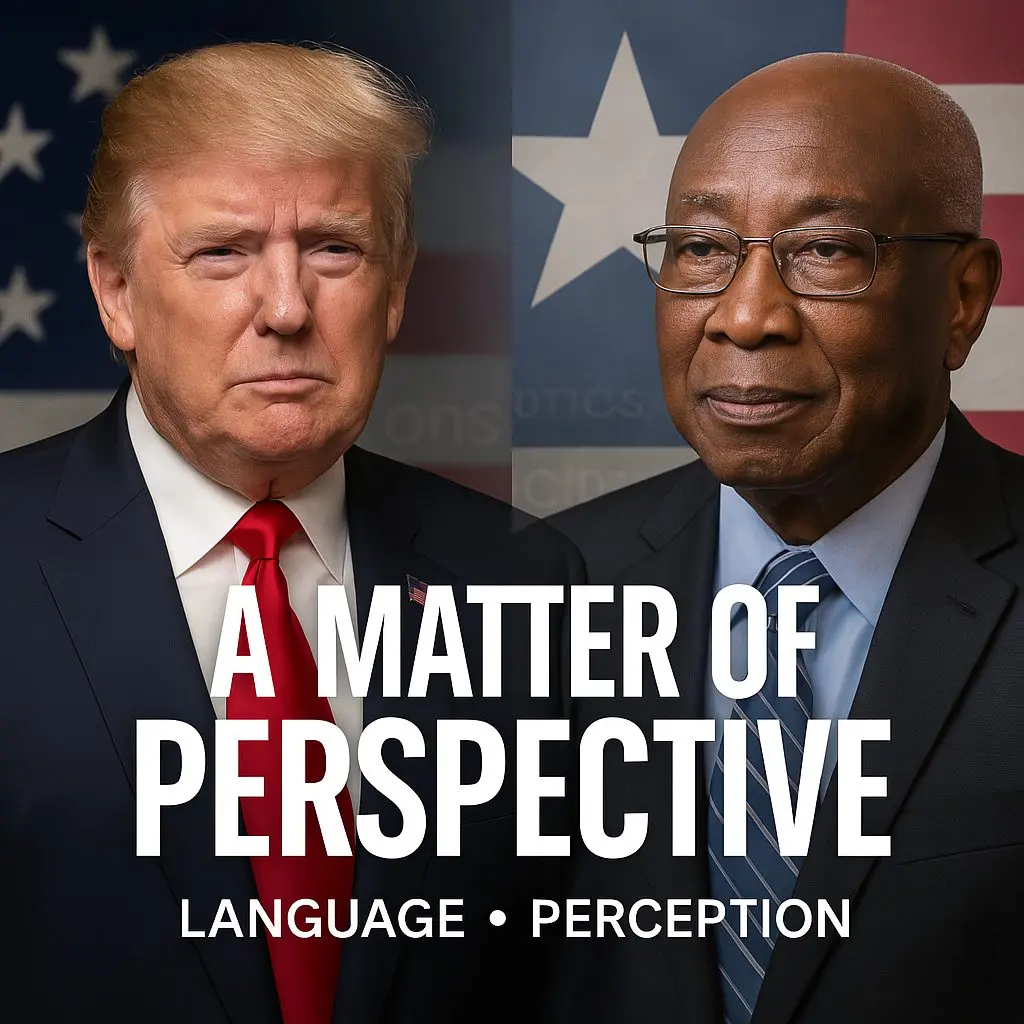
The recent remarks made by President Donald Trump regarding Liberian President Joseph Boakai’s English proficiency and education have ignited a familiar firestorm of criticism. Many perceived his comments as condescending—yet another brushstroke in the narrative of underestimating Africa. But what if there’s more to unpack here than meets the eye?
Yes, the reactions are understandable. Given Trump’s history of controversy and the entrenched suspicion around Western portrayals of African leaders, the default interpretation leans toward insult. But let’s pause. Let’s ask: could this be surprise wrapped in admiration rather than condescension?
Trump’s astonishment at President Boakai’s “good English” and African-based education seems to betray a gap in knowledge more than a bias. Liberia’s status as an English-speaking nation, rooted in its founding by freed American slaves, is often unknown to many—even some global leaders. That lack of context doesn’t excuse ignorance, but it does offer perspective.
The former president is known for his off-the-cuff remarks—often blunt, rarely refined. Saying Boakai “speaks better English than some Americans” may sound gauche, but it doesn’t read as a dismissal. If anything, it suggests Boakai’s English was not just good—but exceptionally so. A backhanded compliment? Possibly. A malicious jab? Less likely.
Public figures like Trump often speak under magnifying glass scrutiny. We dissect every word, every pause, every nuance. And with Trump, many interpret through a lens clouded by past provocations. Had those words come from a less divisive figure, perhaps they would have been taken as a sincere, albeit unpolished, compliment.
Liberia’s Foreign Minister, Sara Beysolow Nyanti, clarified that President Boakai took no offense. Trump, she noted, seemed to recognize Liberia’s American-influenced accent. That insight from a primary source counters much of the outrage—suggesting that offense may have come from observers, not the parties involved.
Were Trump’s remarks clumsy? Undoubtedly. But dismissing them as evidence of a “low opinion of Africa” oversimplifies the issue. Genuine admiration wrapped in ignorance is still far from contempt. And interpreting his every word in the harshest light may reveal more about our expectations than his intent.
Before we condemn, let’s consider. Before we react, let’s reflect. Perspective might just be the bridge between outrage and understanding.